Updated on 16/12/2025 | Published on 12/12/2024
Casa Batlló is one of the crowning achievements of Catalan architect Antoni Gaudí. Located on the prestigious Passeig de Gràcia in the heart of Barcelona, it is an absolute must-visit for anyone travelling to Spain for the first time. This guide breaks down the history behind the architecture, offers honest advice on which ticket tier to buy, and highlights the photography spots you cannot miss. I’ve put this summary together to help you step effortlessly into Gaudí’s whimsical world.
Casa Batlló Fast Facts
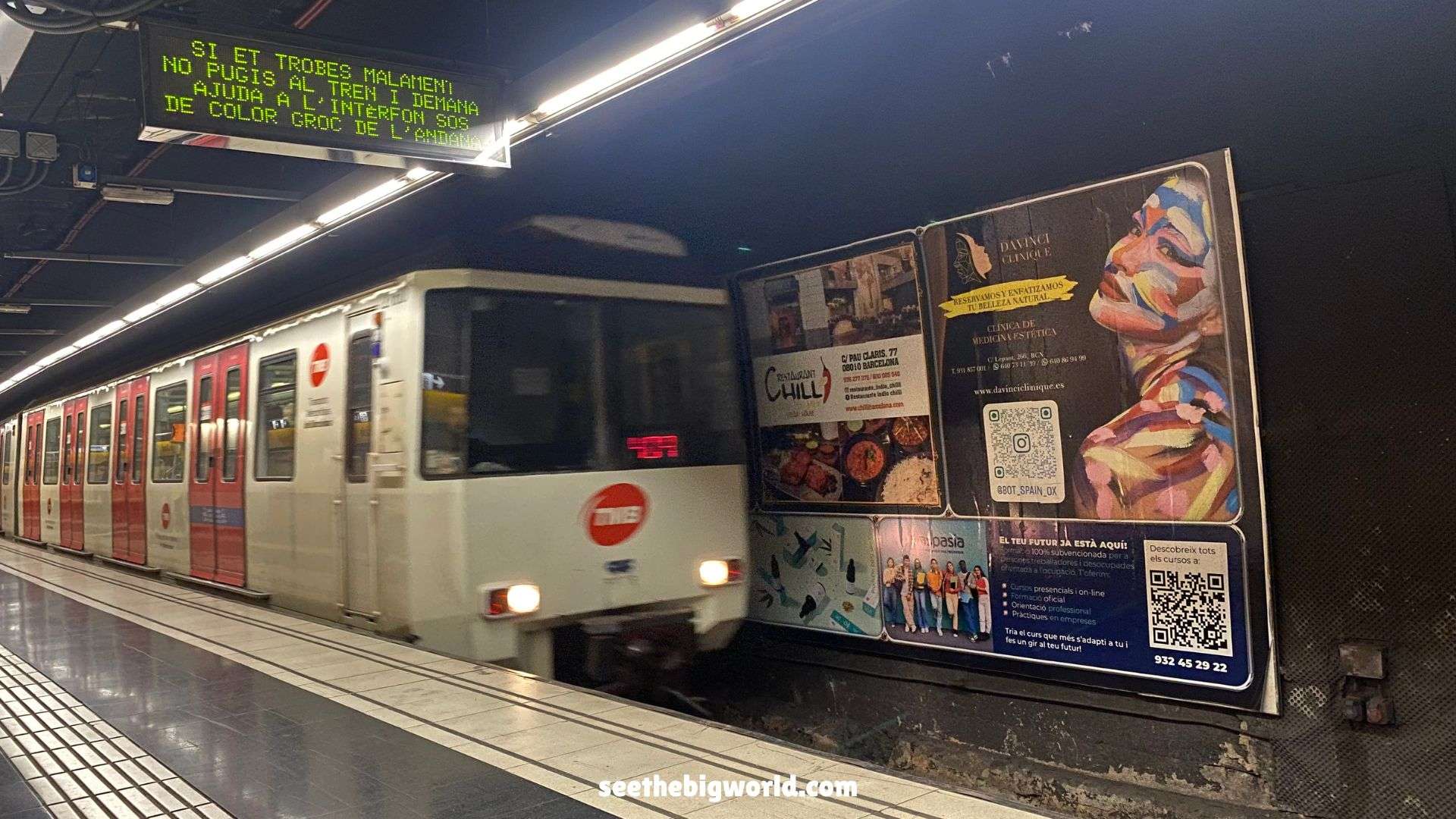
- How to Get There:Metro L2, L3, or L4 to Passeig de Gràcia station; the exit is right outside.
- Opening Hours:Daily 09:00 – 20:30 (Last entry 19:15, except on special event days)
- How Long to Spent:Approx. 1.5 – 2 hours; take your time with the AR guide and the rooftop views
- Tickets:Check latest prices & booking options
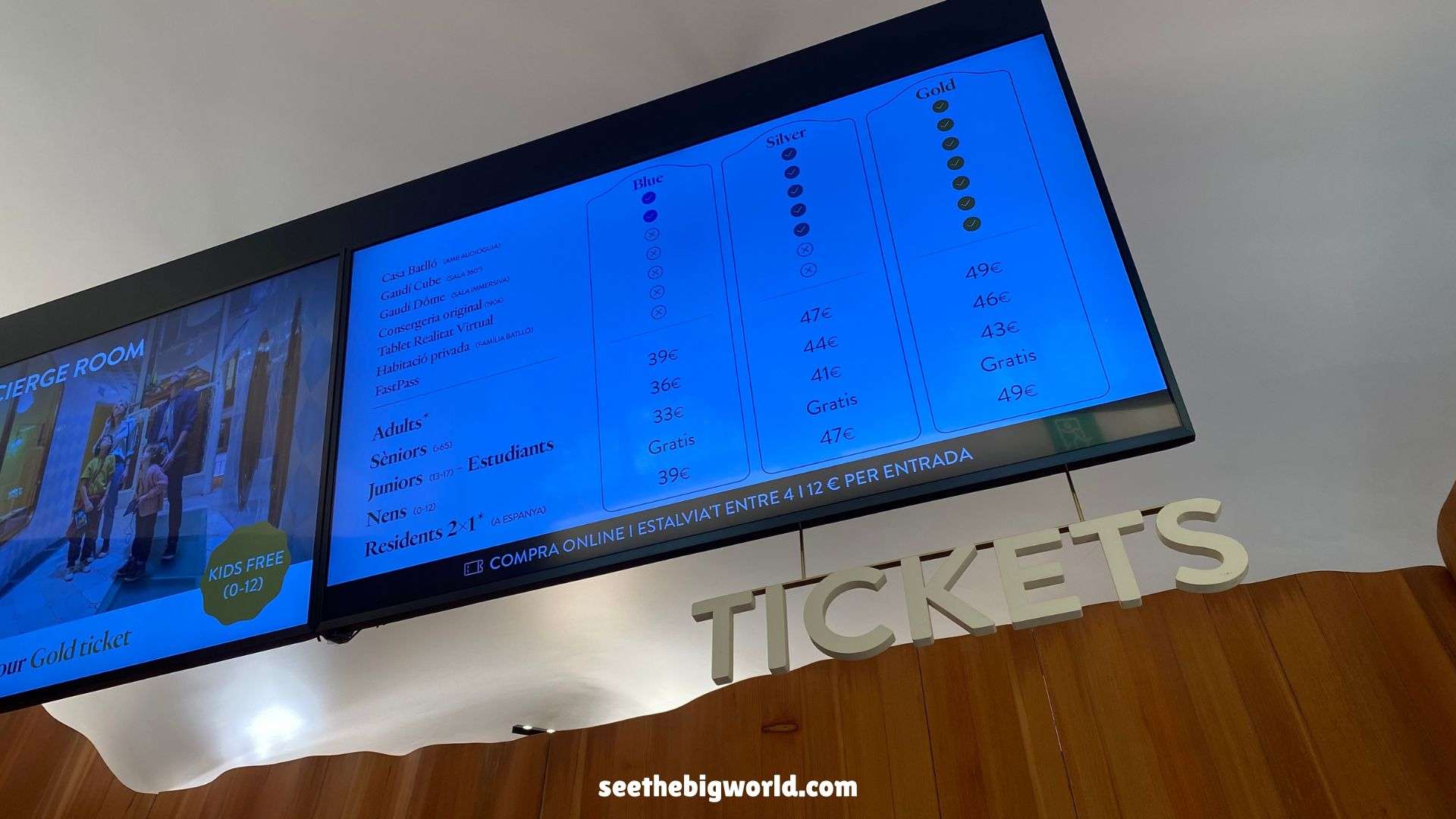
- Blue Ticket: General entry + audio guide.
- Silver Ticket: Includes Gaudí Dôme + AR Tablet.
- Includes Private Residence, Original Concierge Room, Fast Pass (Highly Recommended).
- Free Entry with Go City Barcelona Pass , redeems directly for the "Gold Ticket" tier, includes access to all rooms
The Architecture of Casa Batlló: History, Design & Highlights
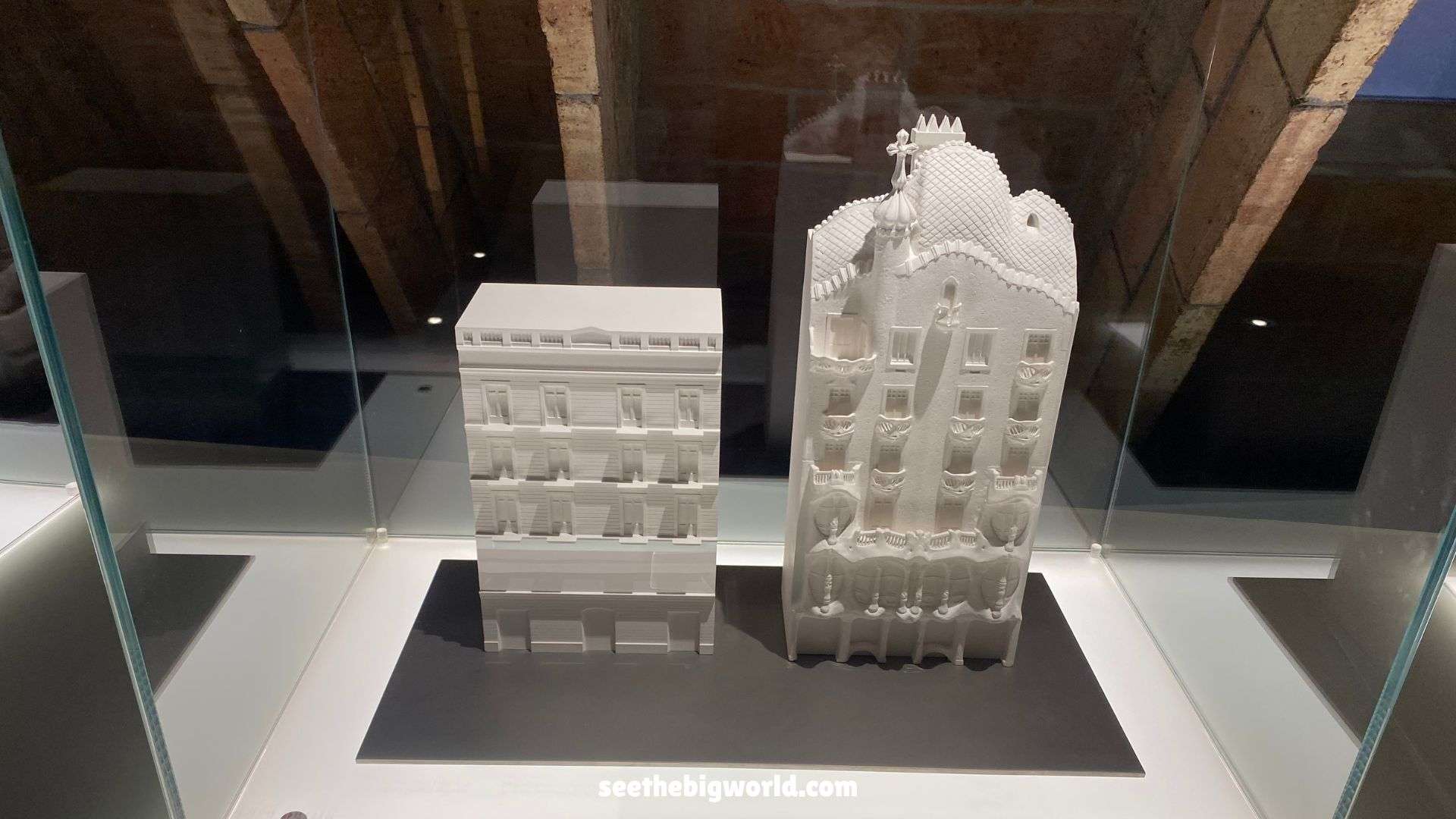
Casa Batlló is a Modernista masterpiece renovated by Antoni Gaudí between 1904 and 1906, transforming a traditional house into an architectural icon. Located at 43 Passeig de Gràcia, it is now listed as a UNESCO World Heritage site.
Why is it Called the "Block of Discord"?
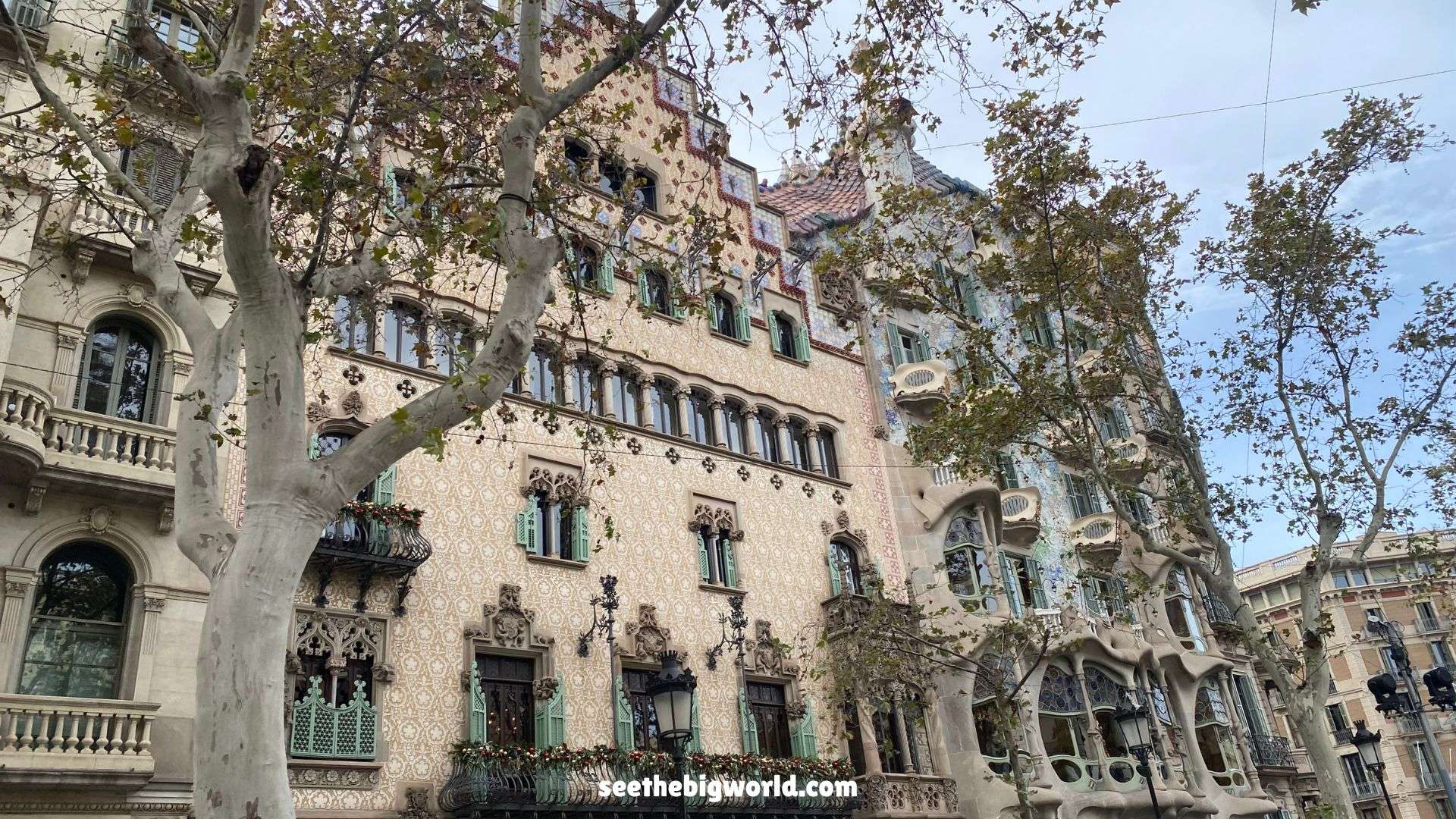
The early 20th century was the peak of wealth display for Barcelona's elite, and this specific block became famous for its cluster of wildly different mansions.
- A Rich Man's Contest: Textile tycoon Josep Batlló hired Gaudí specifically to outdo his neighbours.
- Manzana de la Discordia: Next door is the neo-Gothic Casa Amatller, and nearby is Casa Lleó Morera. Because these master architects had such clashing styles within one short street, it was dubbed the Block of Discord.
From "House of Bones" to a Palace of the Sea
Gaudí refused the original plan to demolish and rebuild, choosing instead to preserve the structure while giving the building a brand new soul.
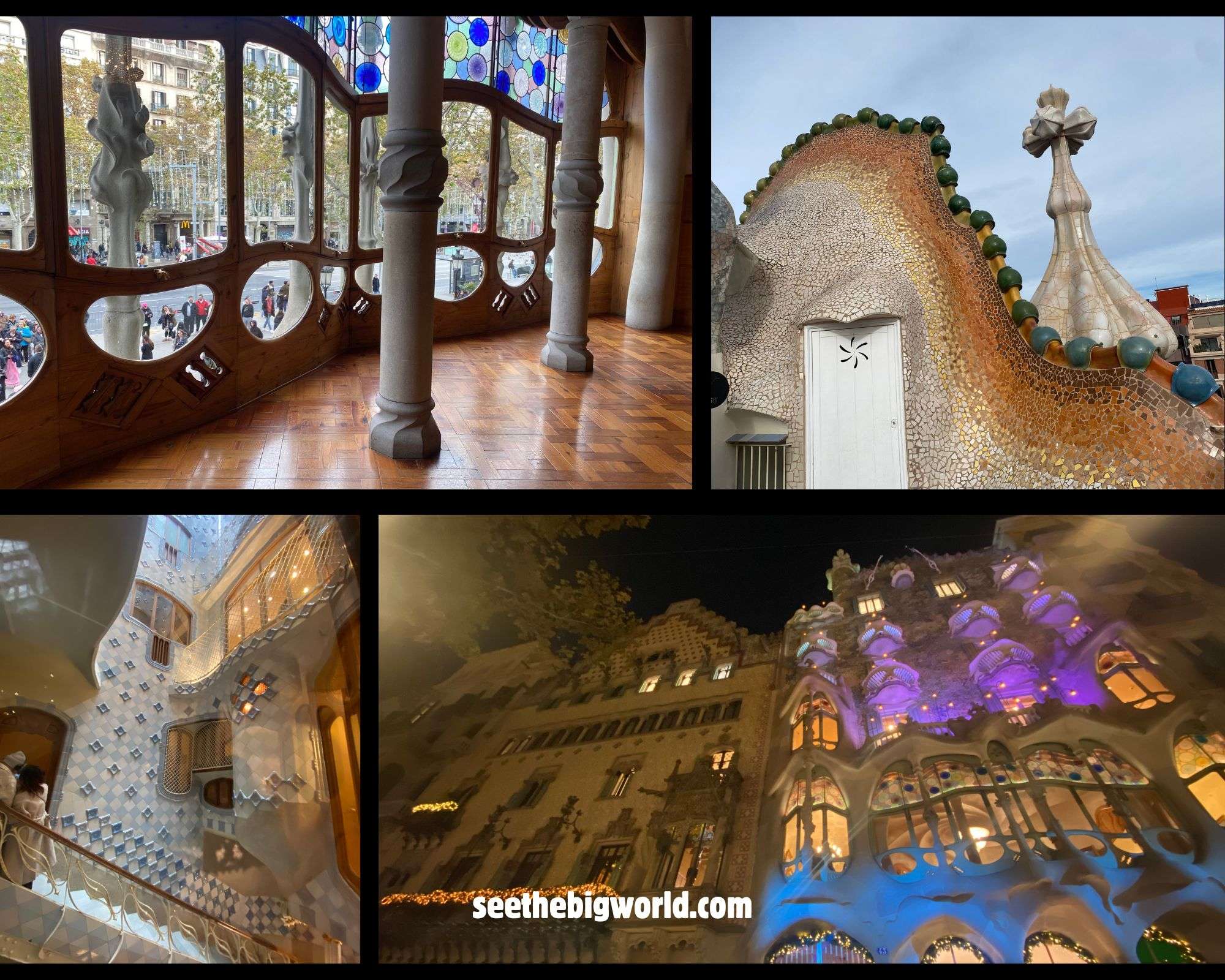
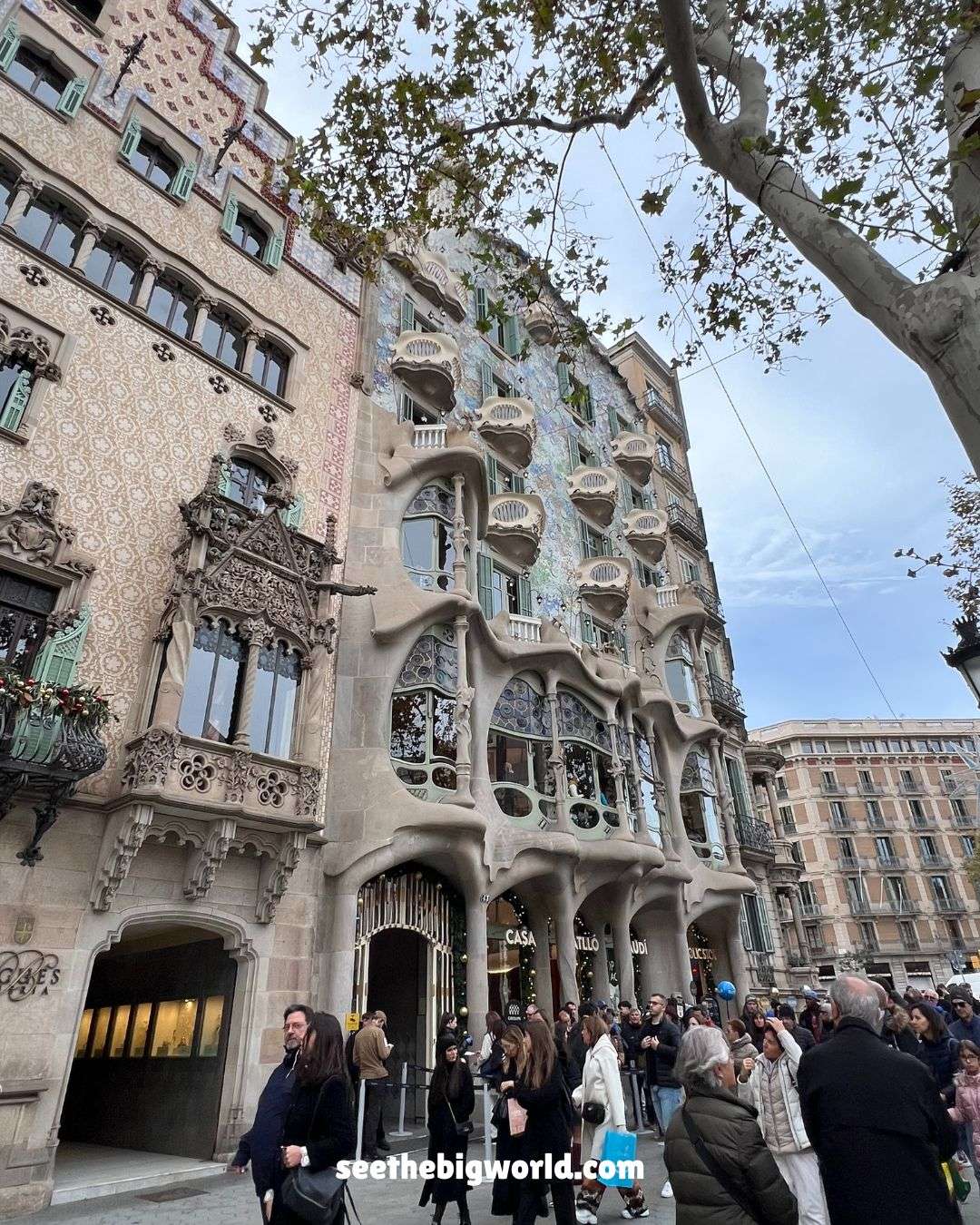
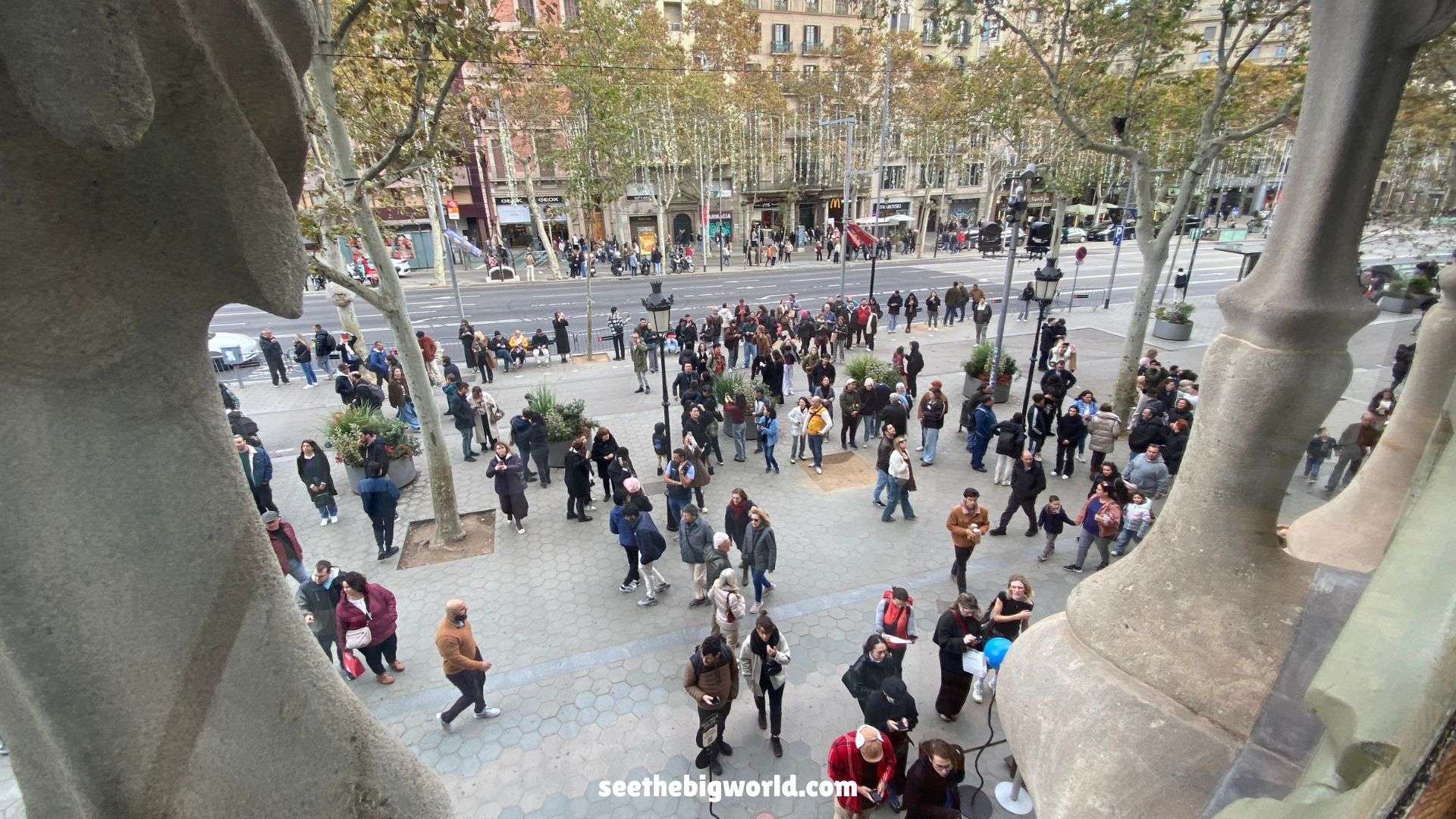
- The Nickname: The columns supporting the large windows resemble human bones, and the balconies look like skull masks. At the time, shocked locals dubbed it the Casa dels Ossos (House of Bones).
- Marine Flow: There are almost no straight lines. The facade uses colourful mosaics to create a wave-like effect, shifting from warm tones to blue-green, making the building appear to breathe like the sea.
The Legend on the Roof: Saint George & The Dragon
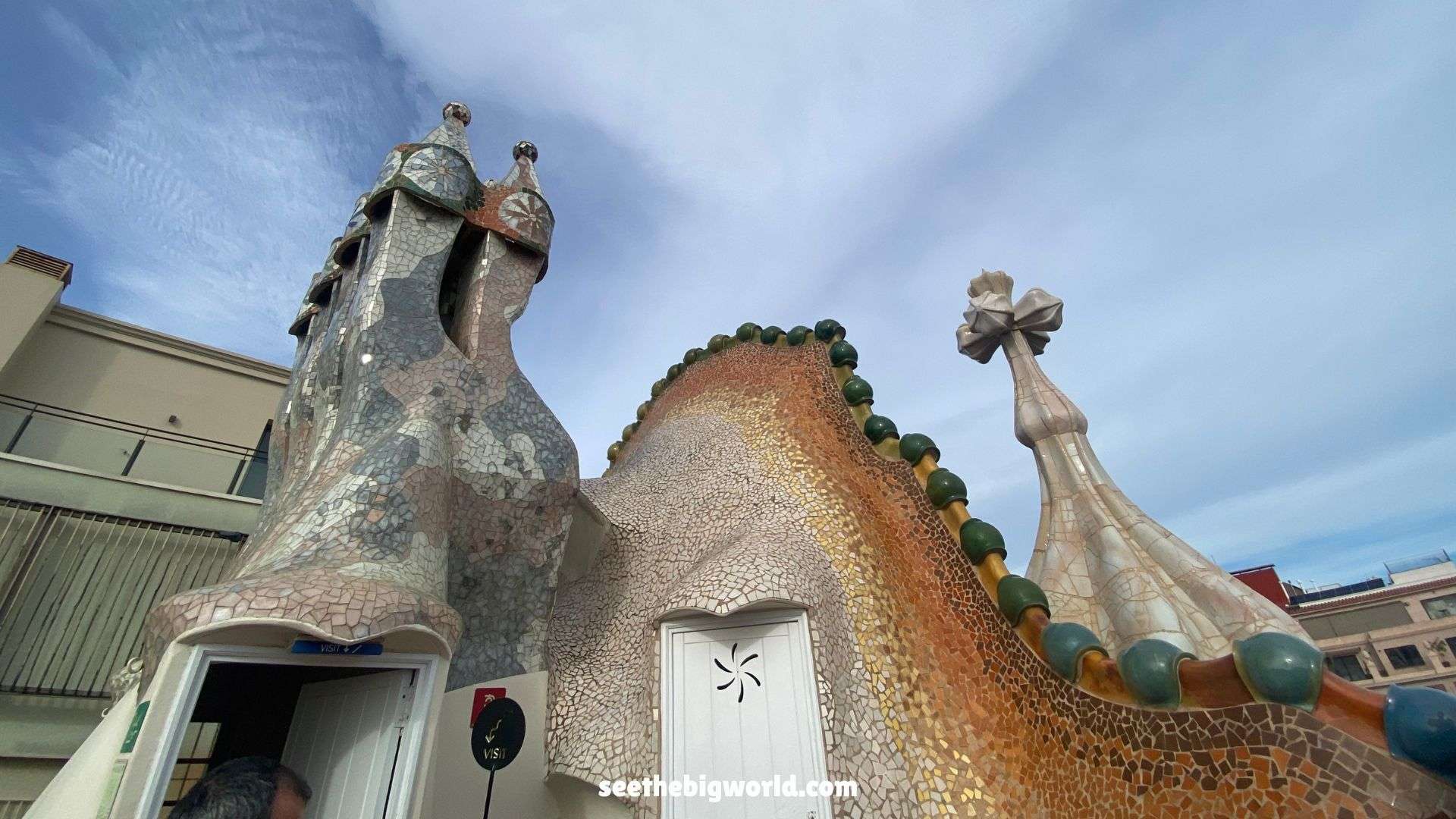
This is the most iconic symbol of Casa Batlló, bringing the story of Catalonia’s patron saint to life.
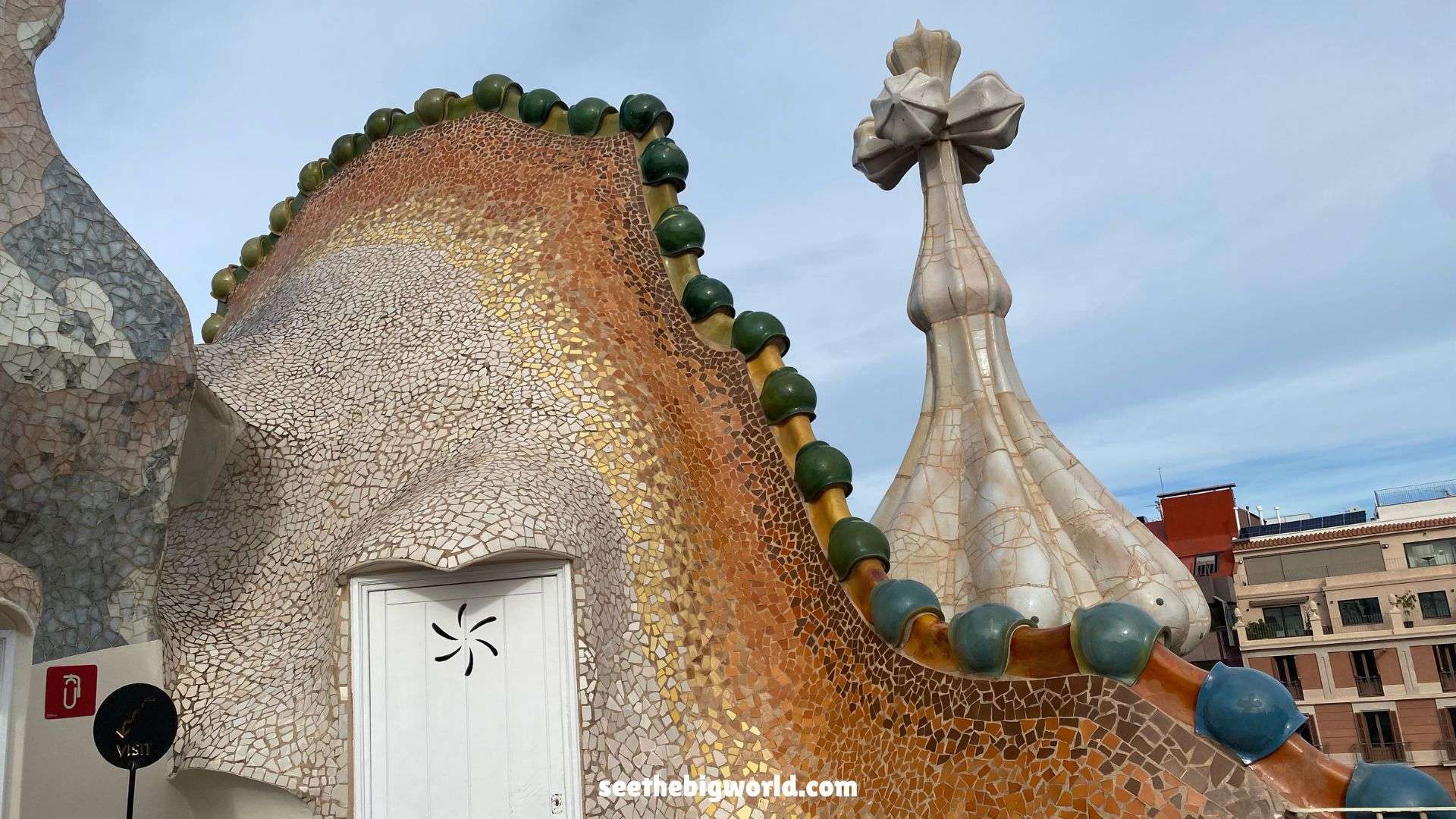
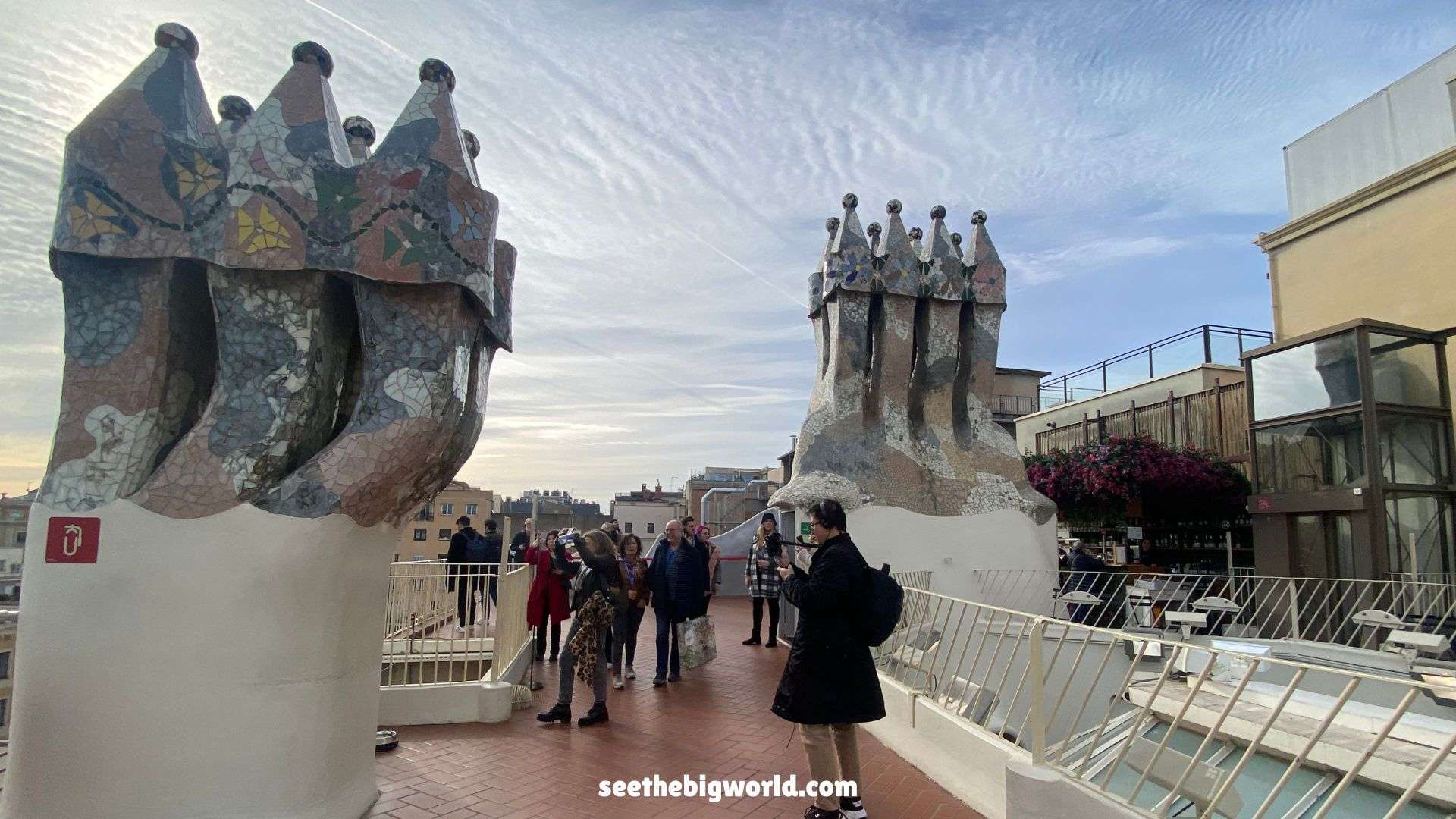
- The Dragon’s Back: The arched roof features colourful ceramic tiles that shimmer in the light, representing the scales of a giant dragon.
- The Sword and the Victims: The towering four-armed cross represents the holy lance (or sword) plunged into the dragon, while the bone-like columns below represent the victims' remains.
Master of Light: The Patio of Lights
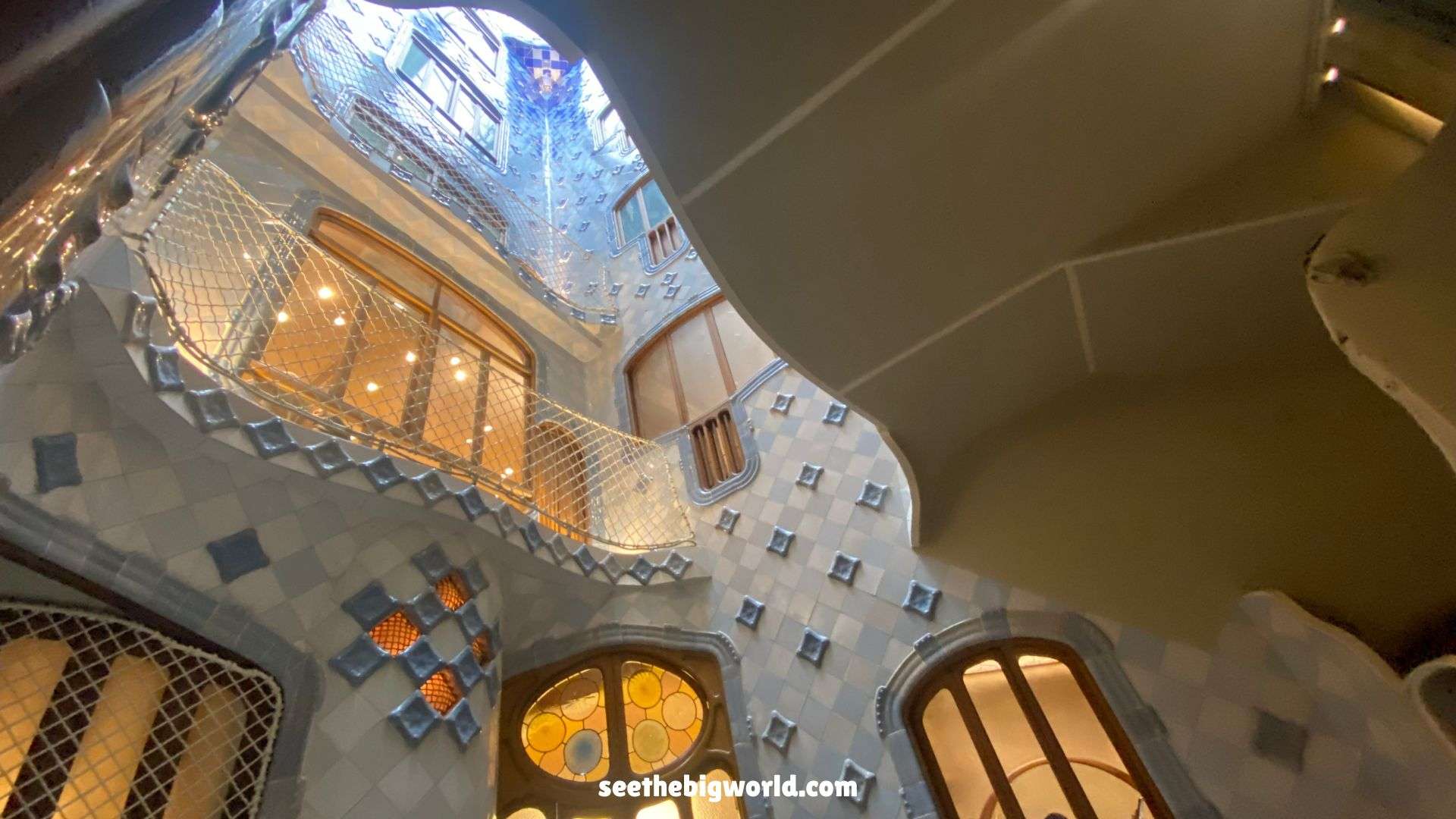
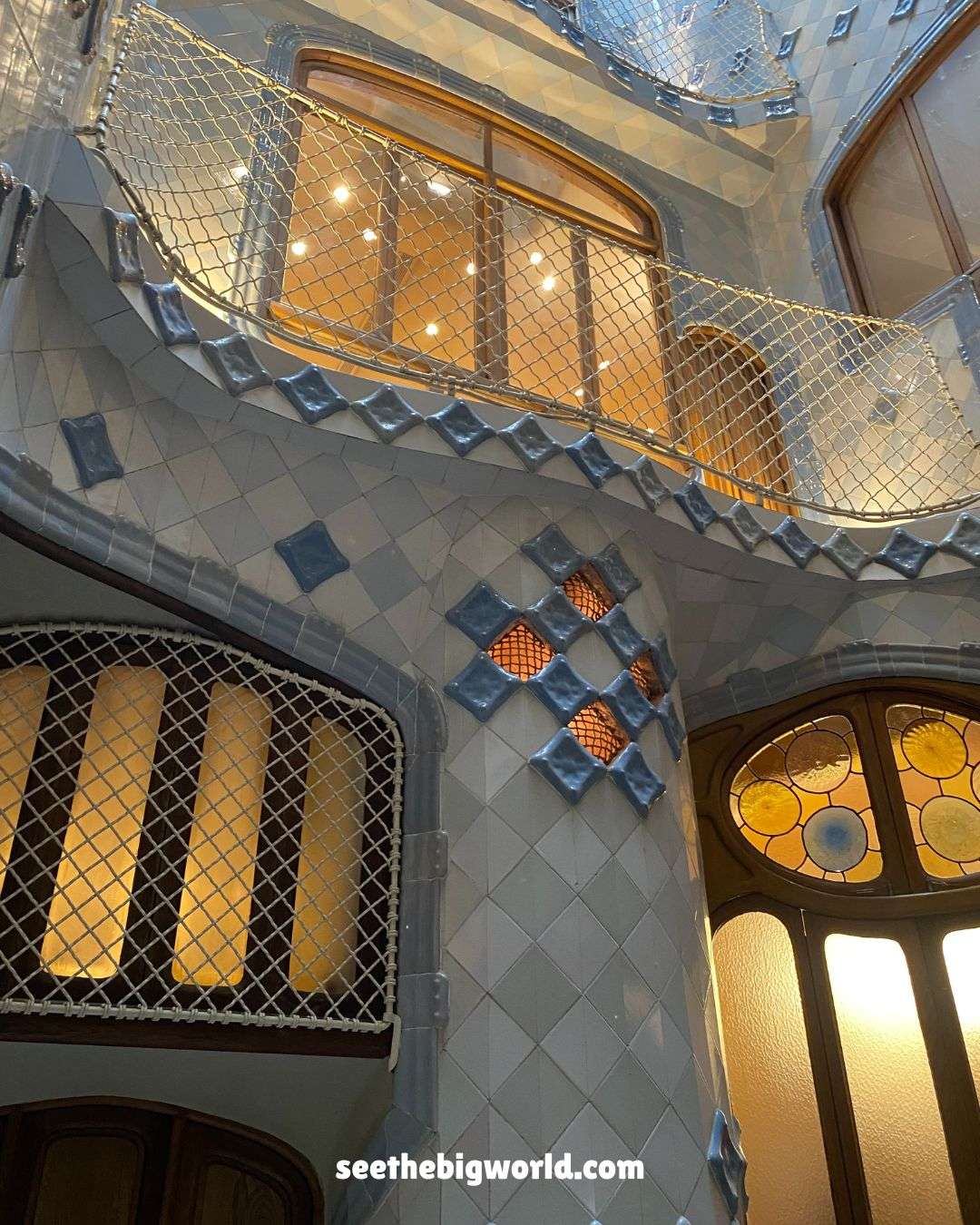
To fix the issue of poor lighting common in narrow townhouses, Gaudí displayed incredible scientific ingenuity in the central courtyard.
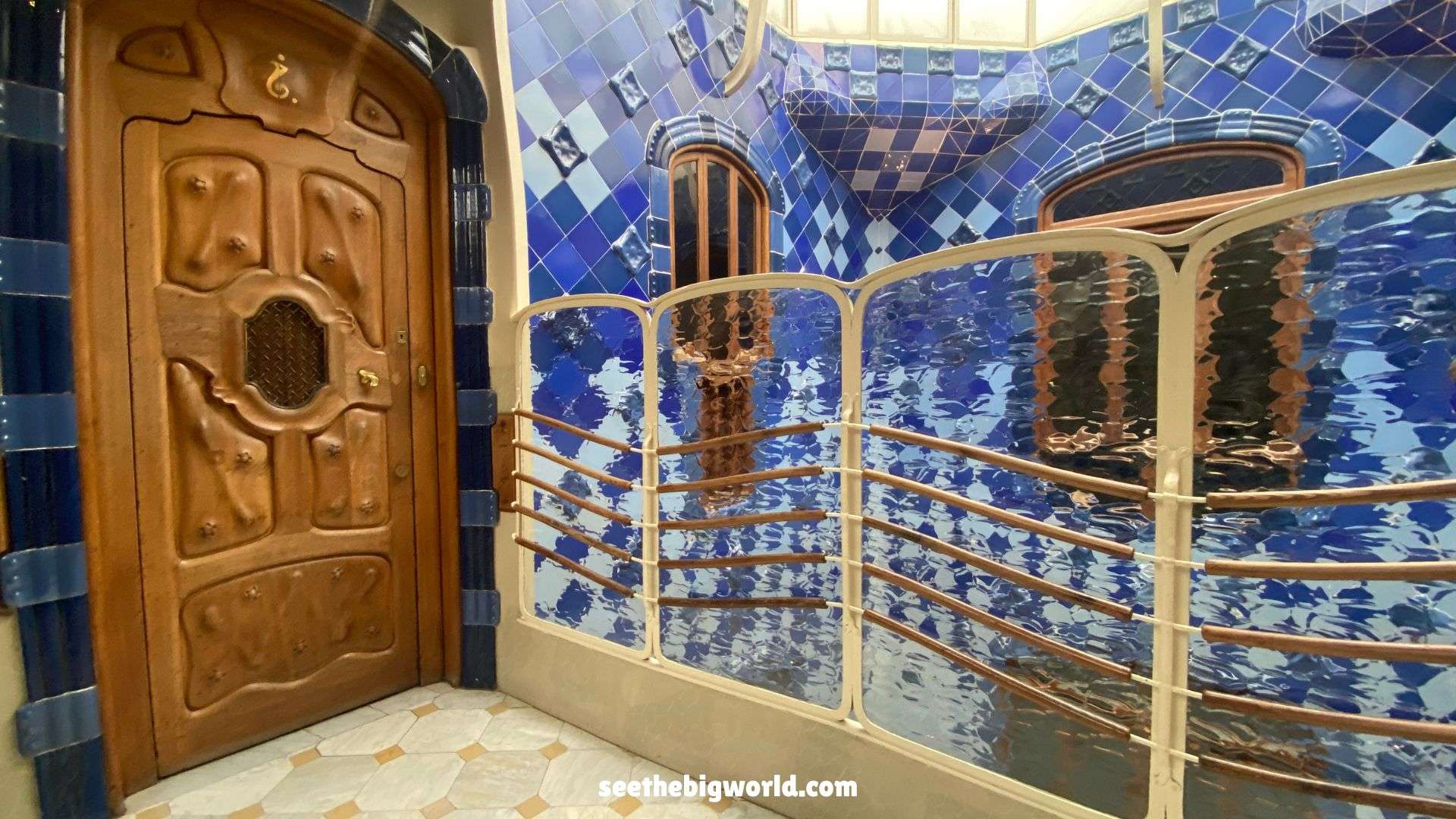
- Blue Gradient Magic: The tiles shade from deep blue at the top to white at the bottom. This balances the harsh light above with the dimmer light below, ensuring every floor gets even brightness.
- Underwater View: Combined with the rippled glass in the stairwell, the light refracts to make you feel like you are walking underwater.
My Honest Review: Visitor Route & A Hard Lesson Learned
I Got Turned Away! A Crucial Planning Tip
I’ll walk you through the nine details you can't miss, but first, a cautionary tale.
The first time I visited, relying on my Go City Pass, I strolled up at 18:00. It turned out there was a "Winter Special Event" and last entry had moved to 17:45. I was turned away at the door.
- Advice: Even if official hours are late, private events happen. Don't leave it until the last minute.
- Tickets: I strongly recommend upgrading to the "Gold Ticket" (the Go City Pass redeems this tier automatically). Without access to the private residence and original concierge room, you are missing half the experience.
The Facade
Having shared my painful lesson, let's start properly. Before entering, you are captivated by the building's "skin." Stand across the street to appreciate it; there are no straight lines, only an oceanic flow.
- Design Inspiration: Made of mosaic tiles (trencadís), shimmering like water in the sun.
- Visual Metaphor: Look for the skull masks on the balconies and the dragon's back on the roof.
Gaudí Dôme (Gold & Silver Ticket Exclusive)
The first stop after entering (located in the basement) is not a traditional gallery, but a modern immersive experience.
- The Experience: You stand on a rotating platform surrounded by over a thousand screens.
- The Content: It shows how Gaudí drew inspiration from nature (feathers, leaves, waves). It’s a powerful visual prelude to enter the "Gaudí Universe."
Original Concierge (Exclusive to Gold Ticket)
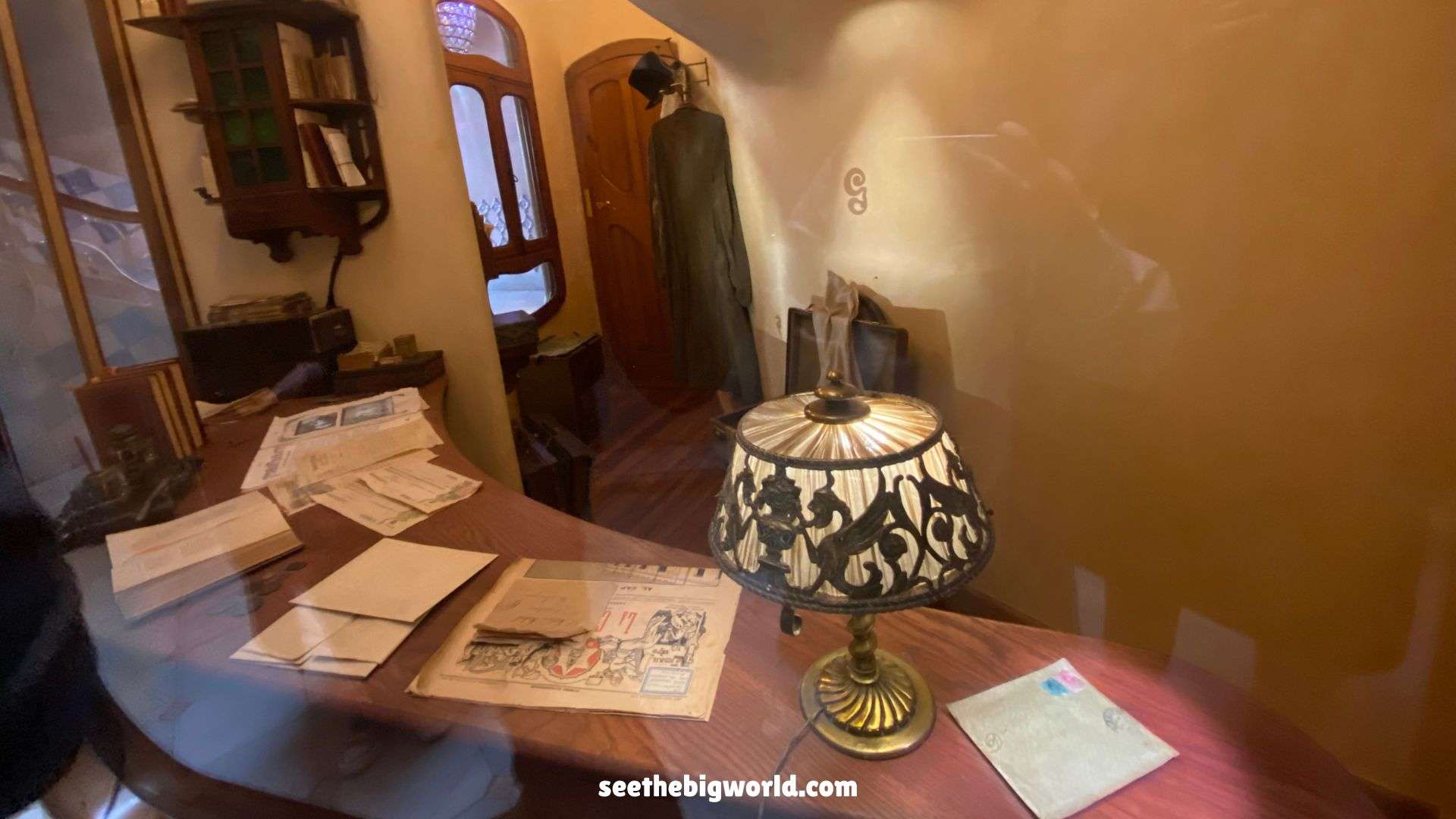
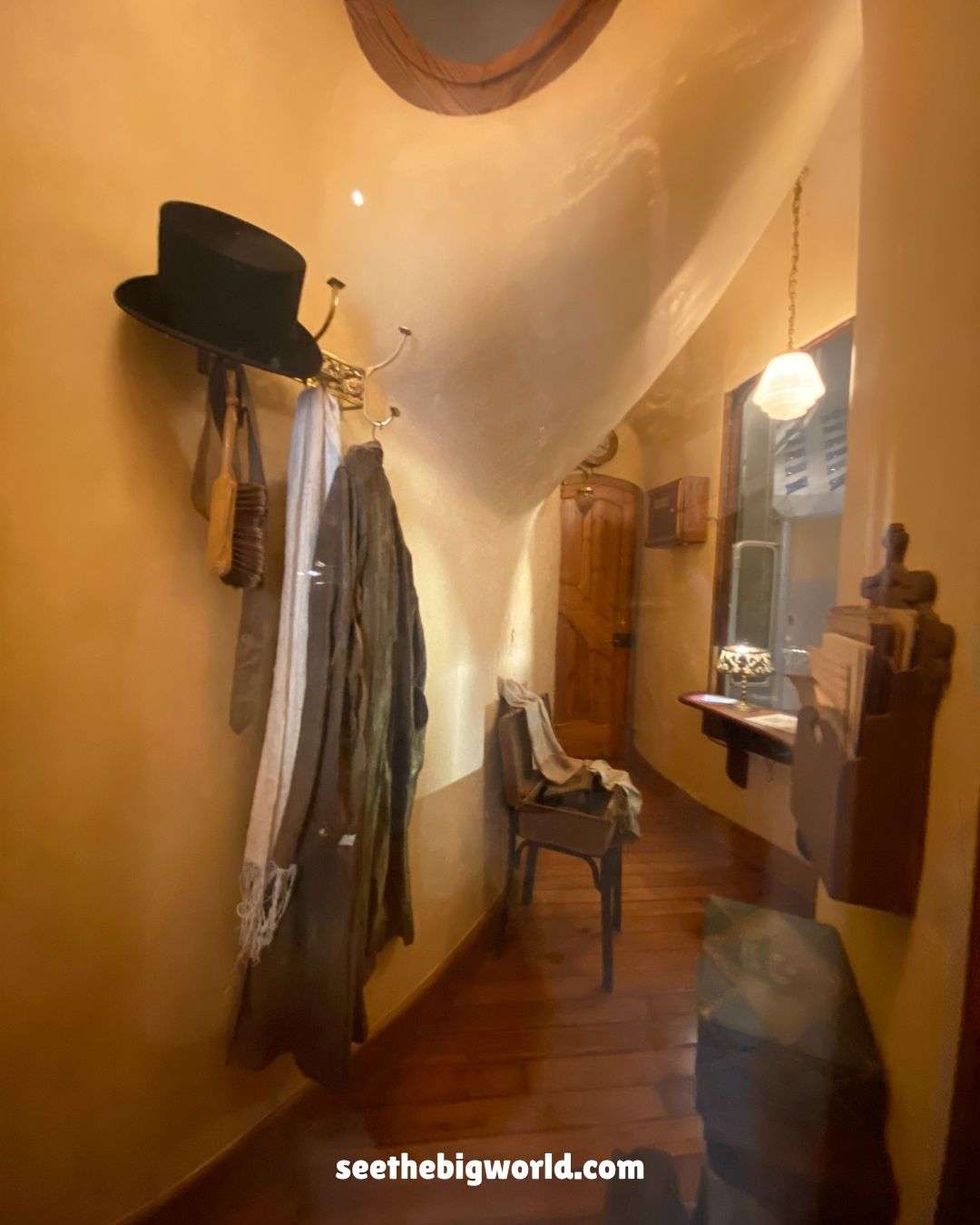
This is one of the reasons I recommend the Gold Ticket. This hidden room preserves the original decor from a century ago.
- Exclusive View: This is where the concierge received guests and mail. It’s a time capsule showing how the household operated.
- Note: Standard Blue tickets cannot access this area.
AR Tablet (Exclusive for Gold and Silver Tickets)
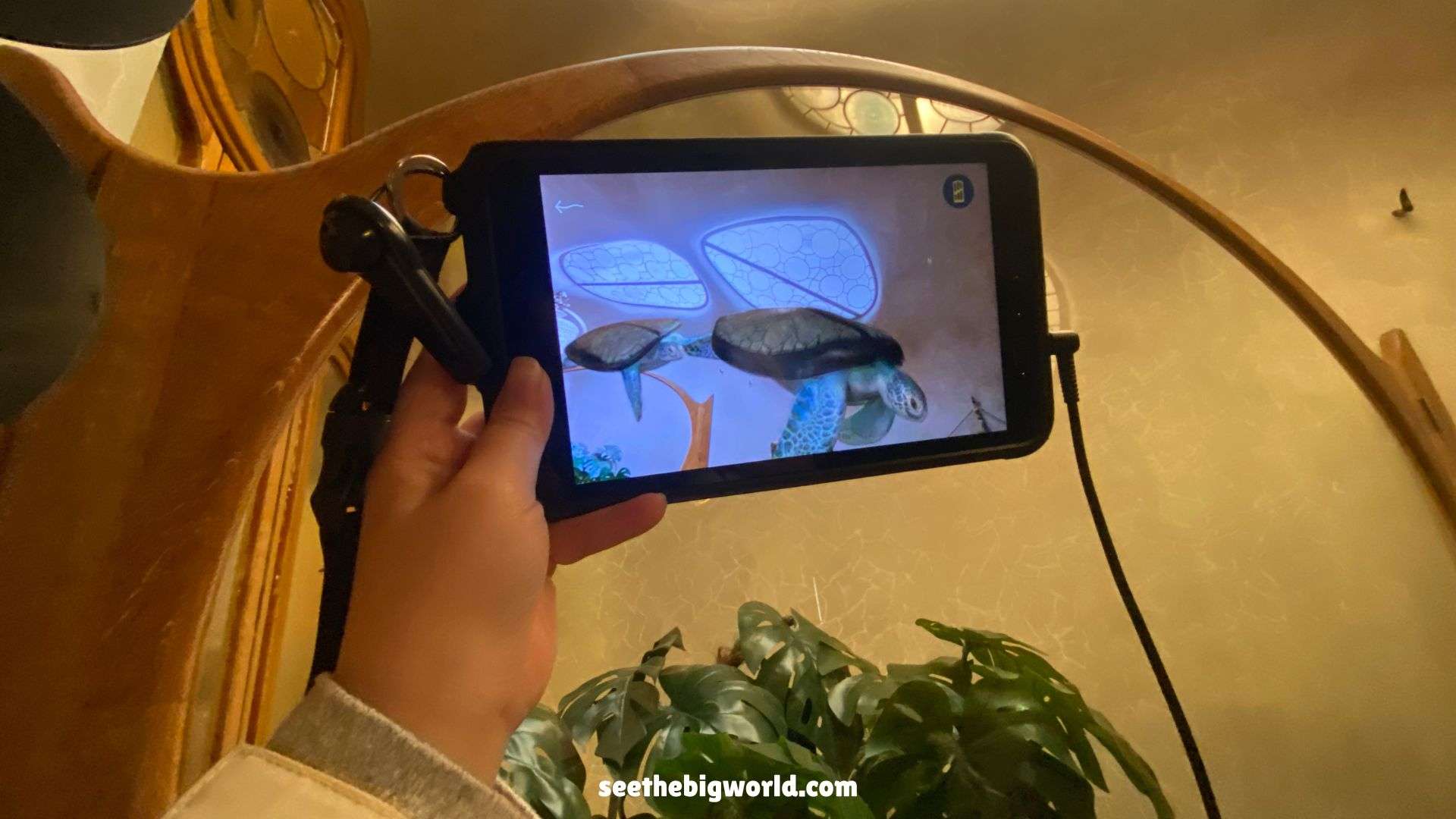
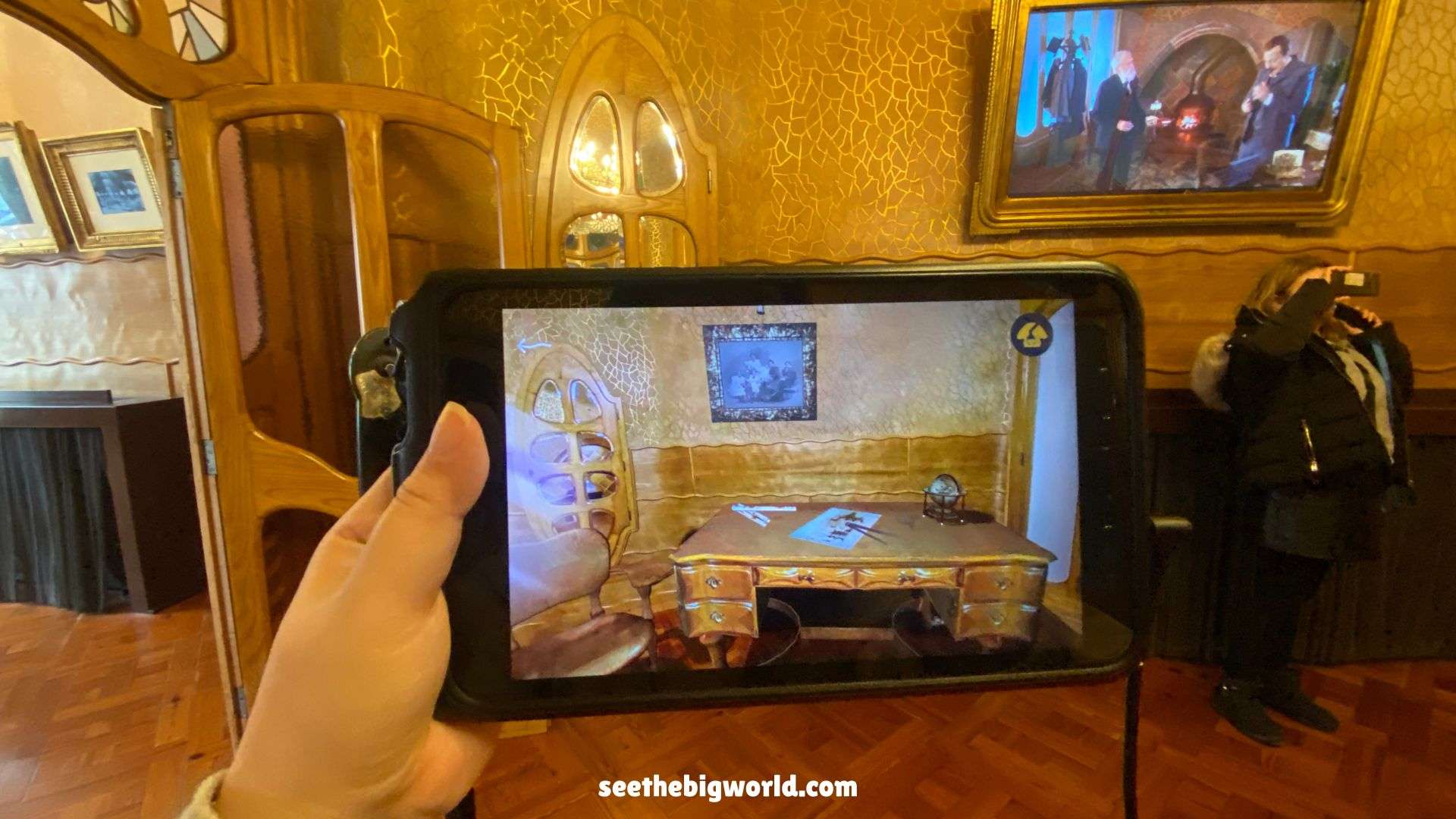
This is perhaps the best feature of Casa Batlló. Instead of a standard audio guide, you get an AR tablet that visualises Gaudí’s imagination.
- Interactive Highlight: Point the screen at an empty room, and sea turtles swim out or mushrooms grow, revealing the biological inspiration behind the design.
- User Friendly: It supports multiple languages (including Cantonese) and engages both adults and children deeply.
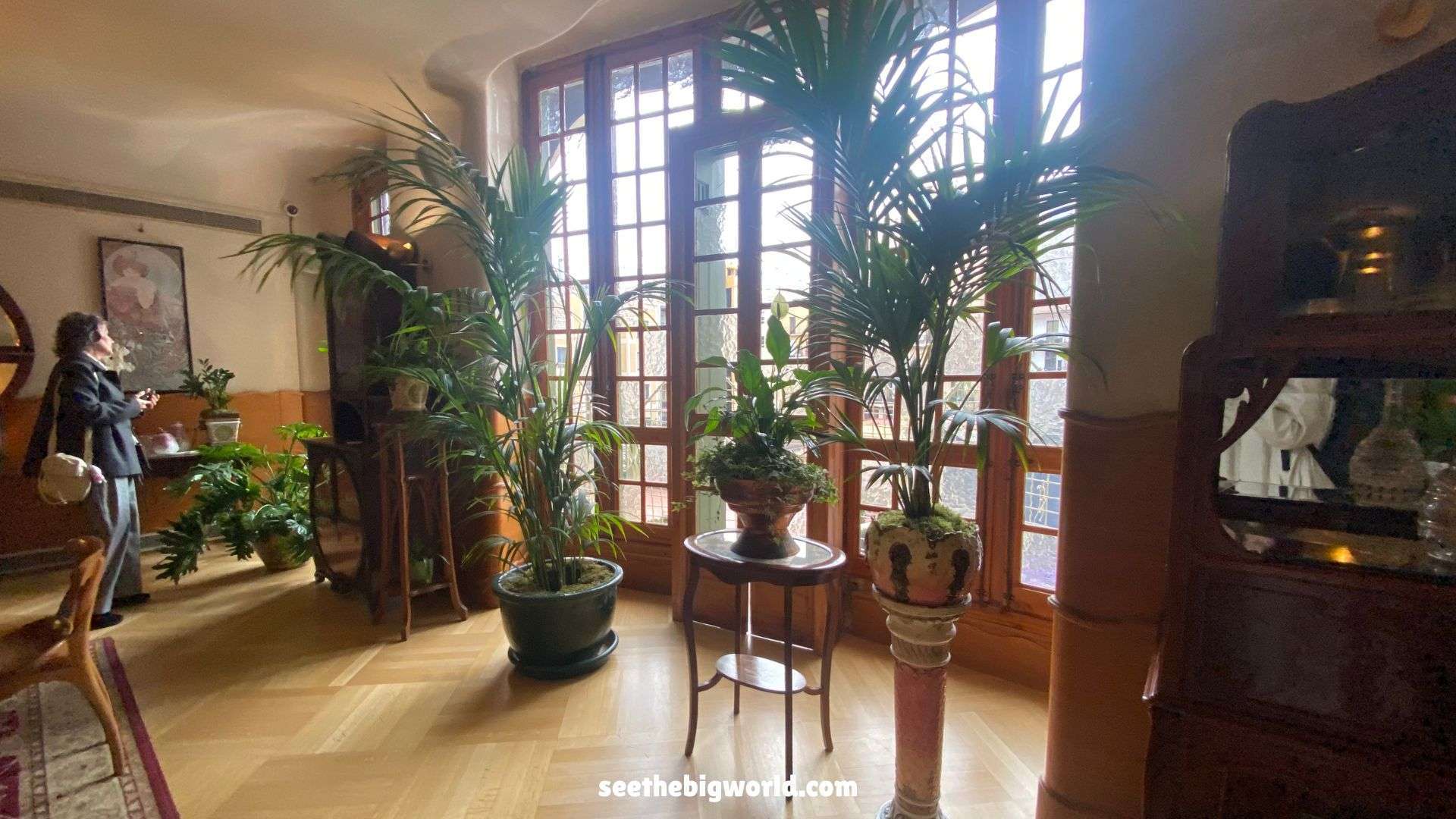
Floor-to-Ceiling Glass Windows
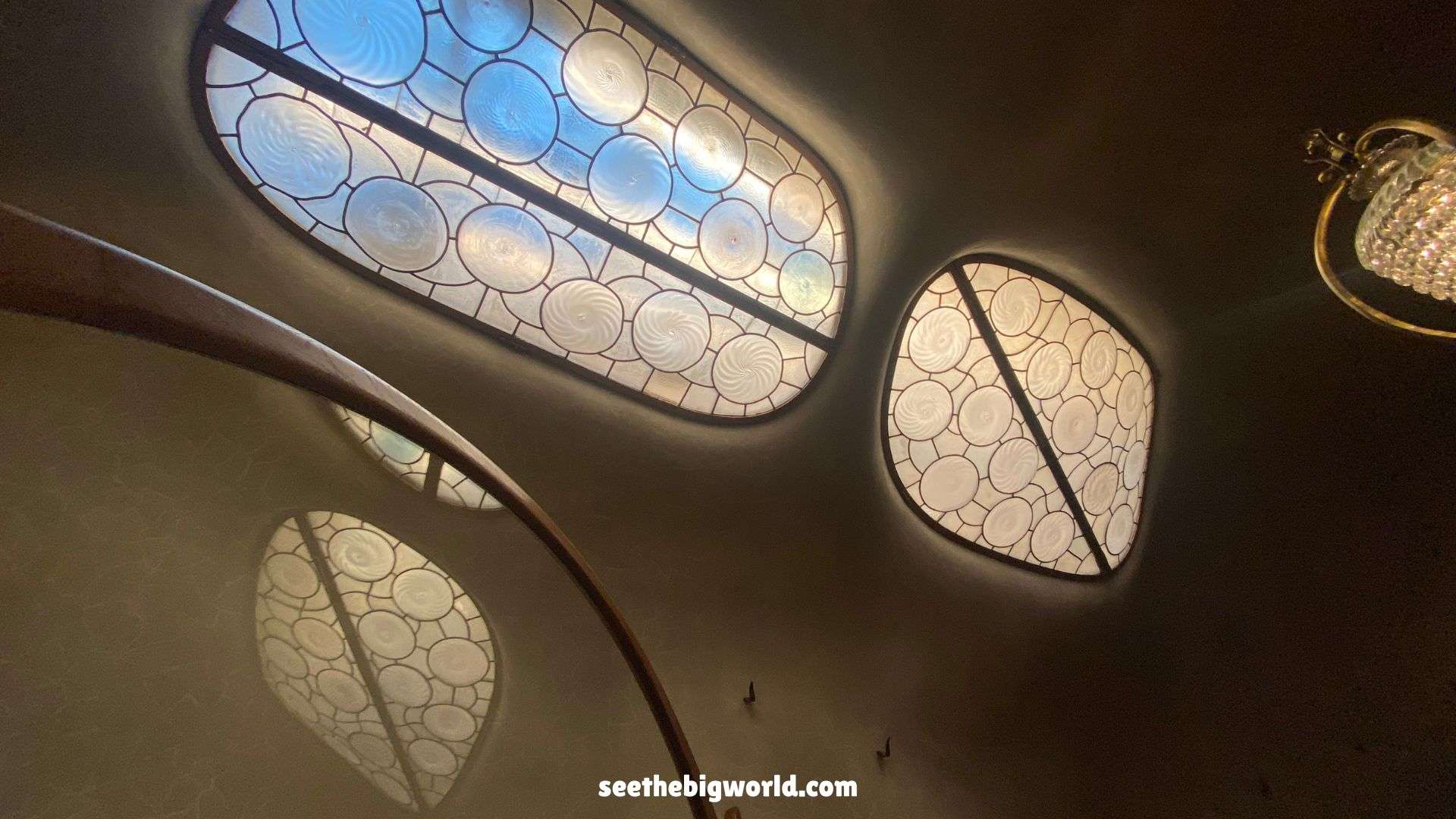
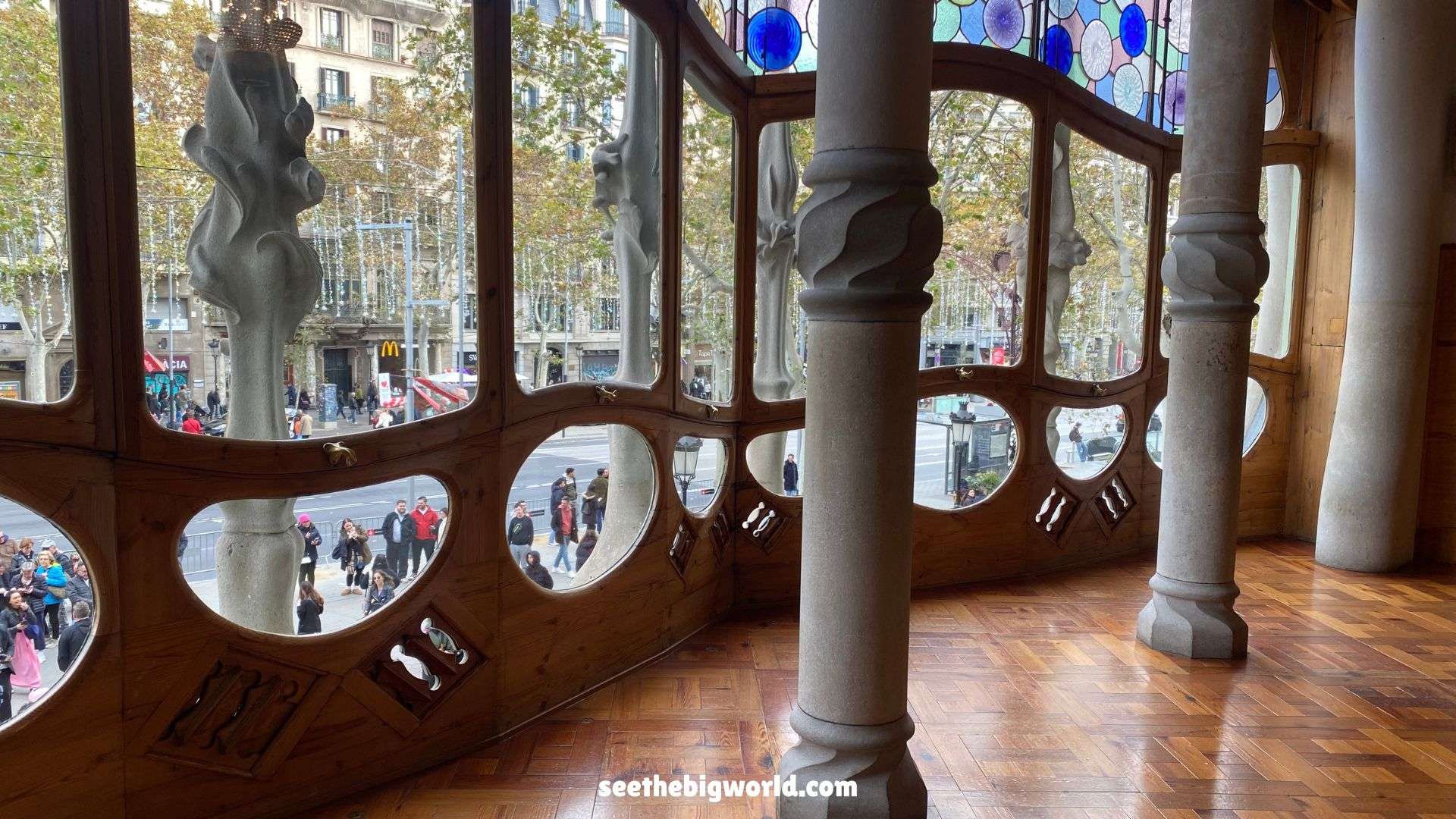
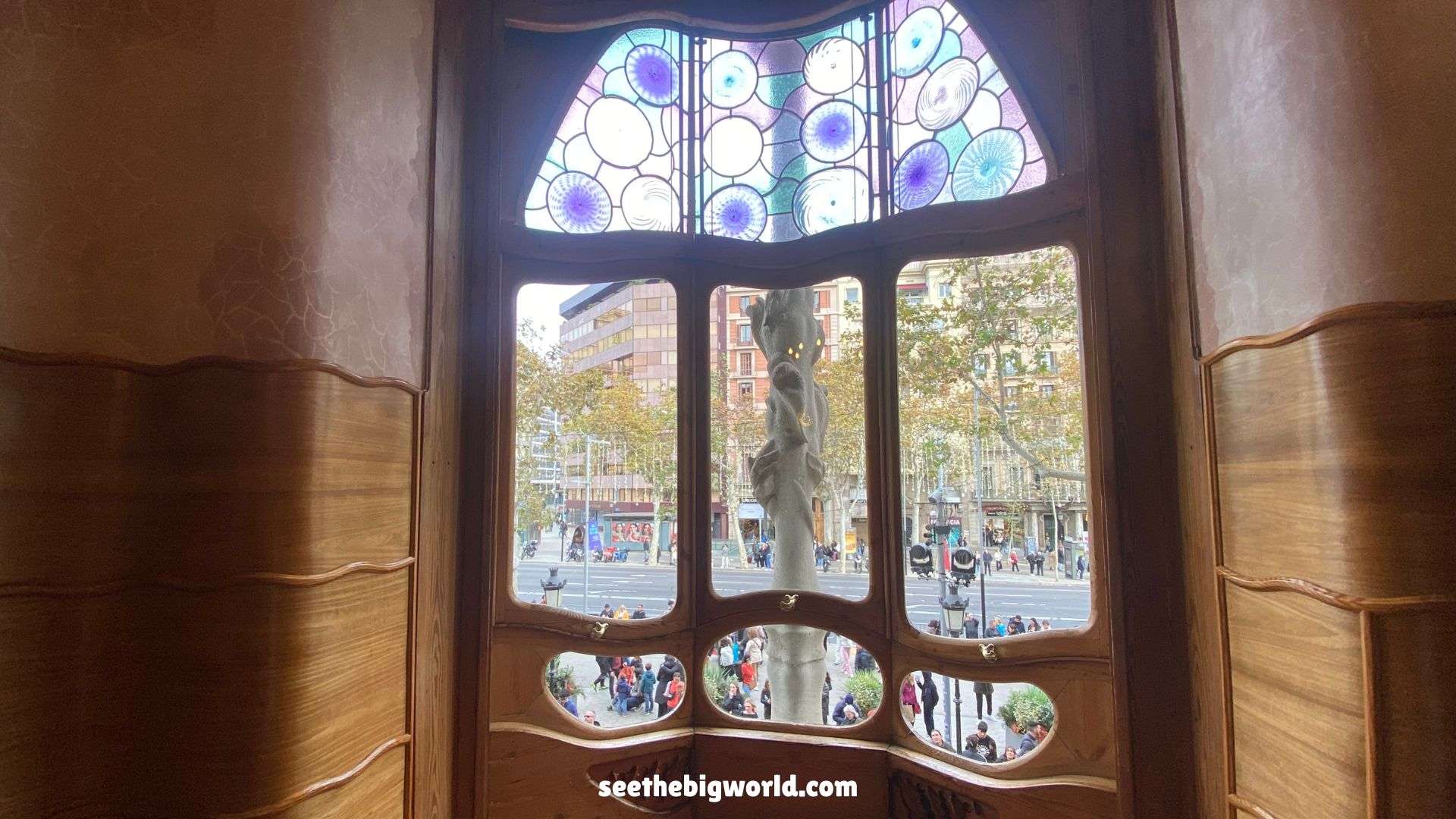
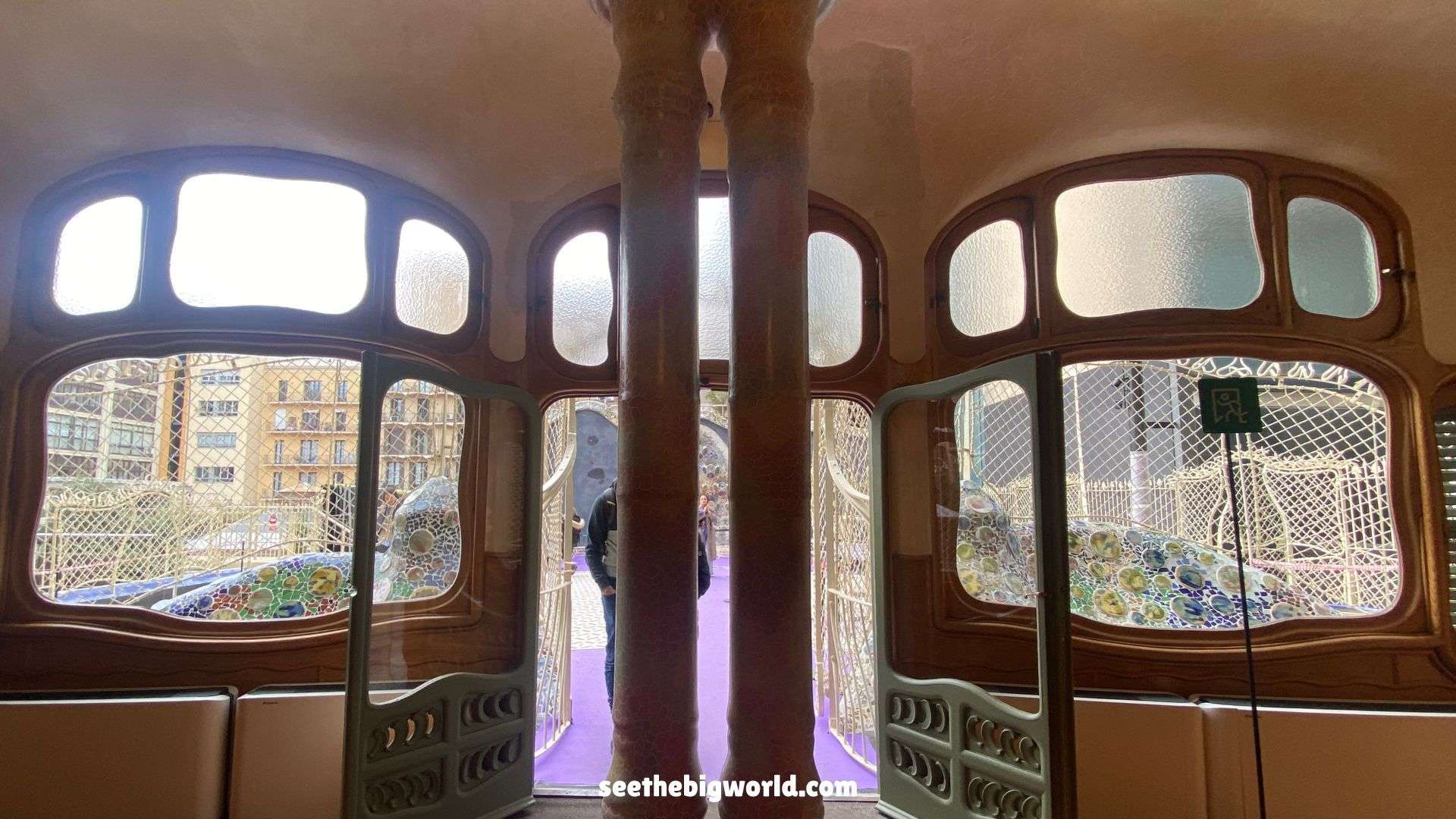
In the main hall facing Passeig de Gràcia, Gaudí designed massive floor-to-ceiling windows.
- Magic of Light: Notice the upper panes have a rippled texture. Looking through them, the cars and people on the street outside appear to be floating underwater.
- Functionality: It’s not just beautiful; it’s a smart ventilation system.
Internal Atrium and Elevator
As you move upstairs from the main hall, look up at the central well.
- Gradient: The famous "Blue Ocean." Tiles shift from deep blue above to white below.
- Smart Lighting: Gaudí used colour to regulate light intensity, ensuring lower floors get soft, even illumination.
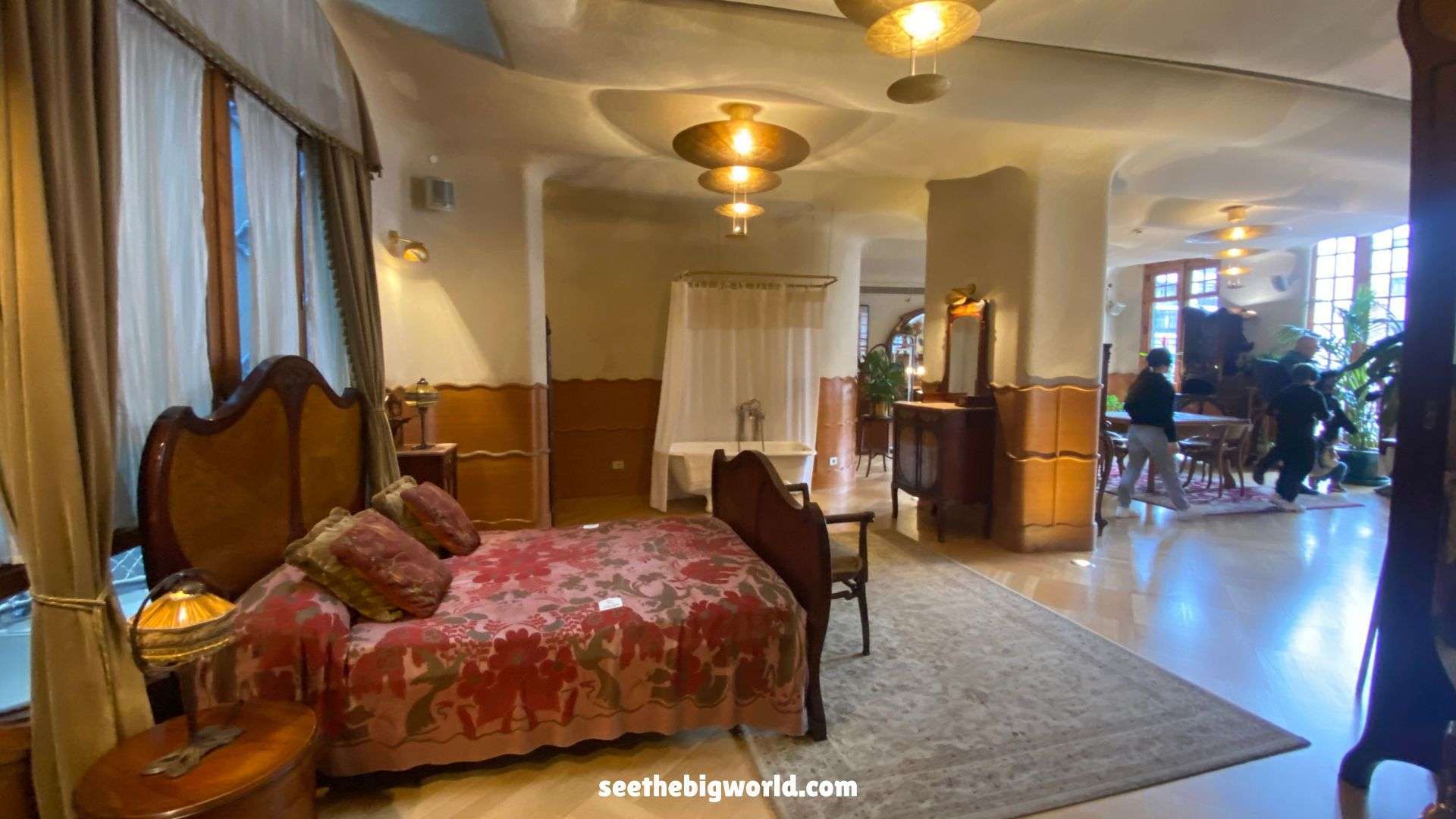
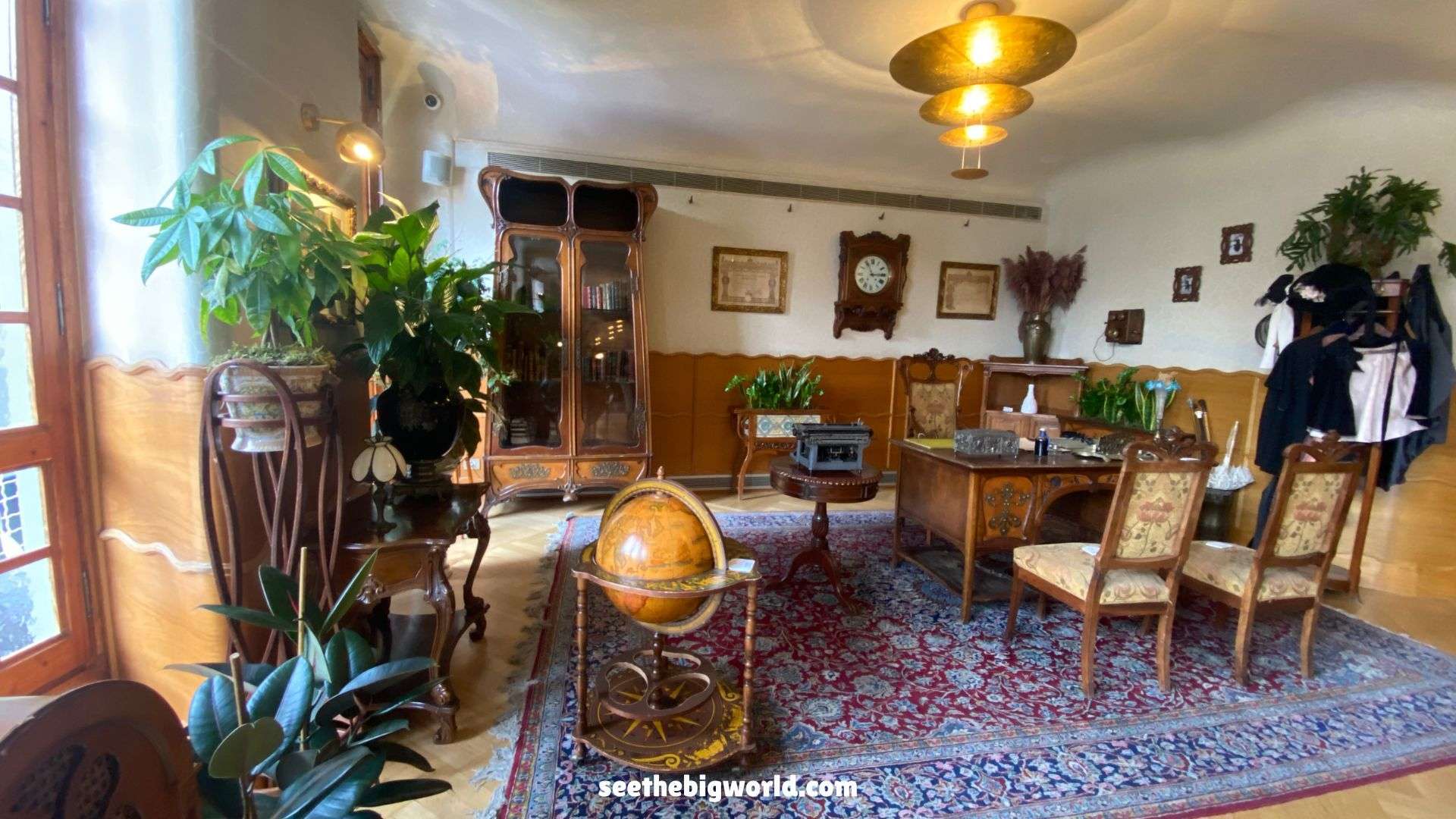
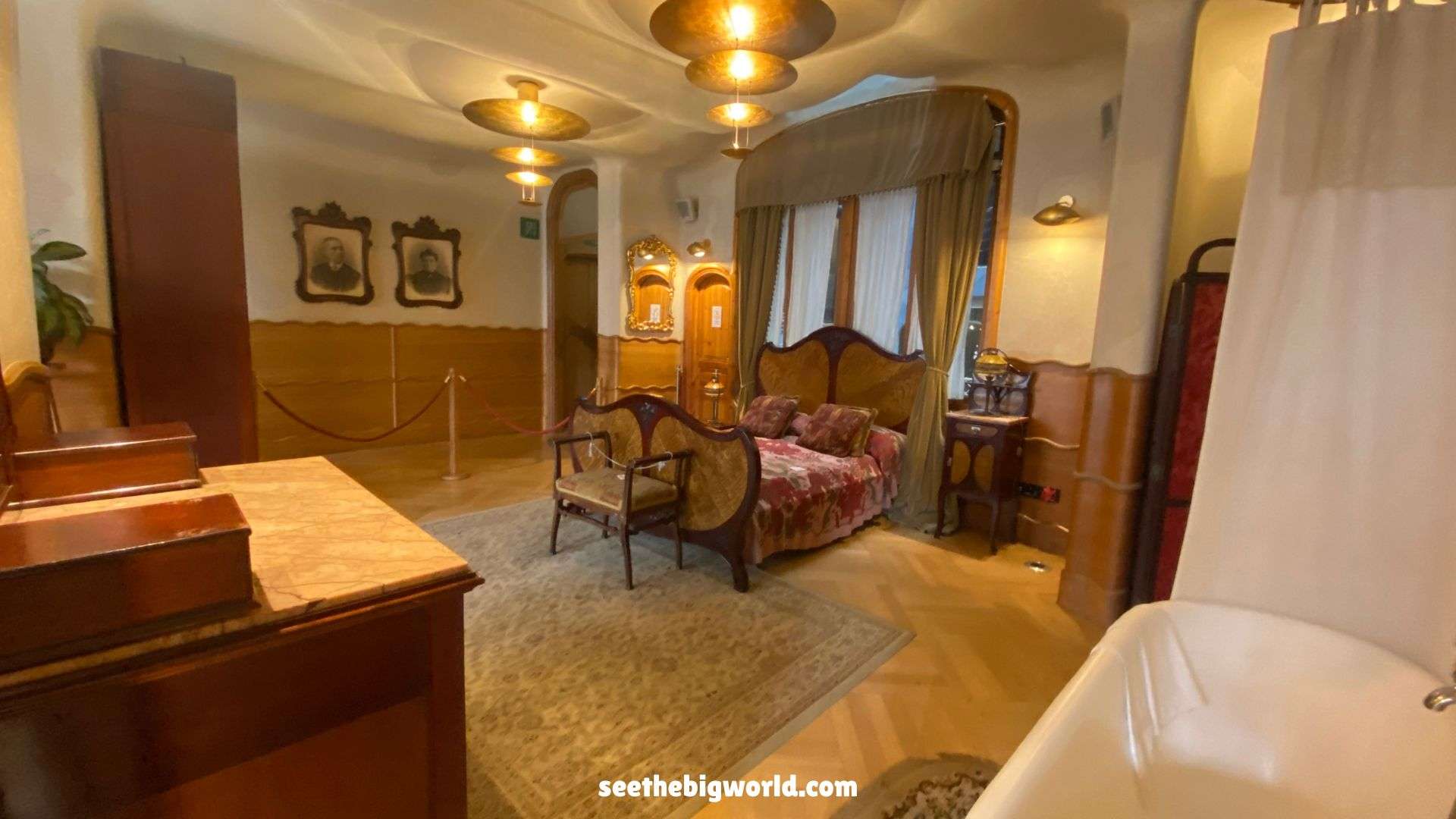
Batlló Family Private Residence (Exclusive to Gold Ticket)
This is the "main course" of the tour. Located on the Noble Floor, this was the living space for the Batlló family.
- Must-See Details: Luxury oak joinery, ergonomic handles, and streamlined ceilings with no sharp corners.
- Atmosphere: This is where you truly feel how Gaudí merged "art" with "living functions." If you can't enter here, it’s a real shame.
The Loft
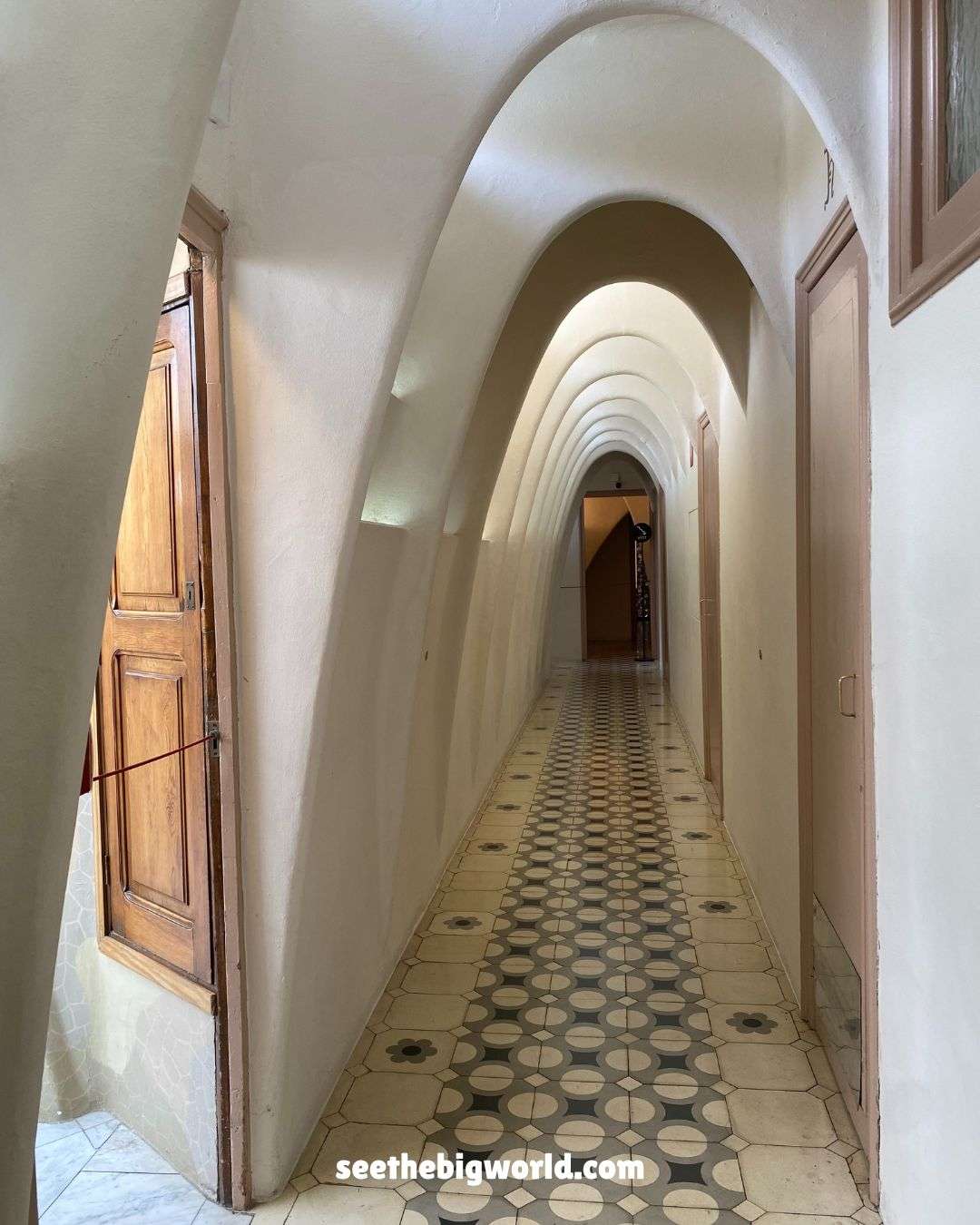
- The Loft: Pure white catenary arches, like walking inside the belly of a whale. The light here is beautiful for minimalist portraits.
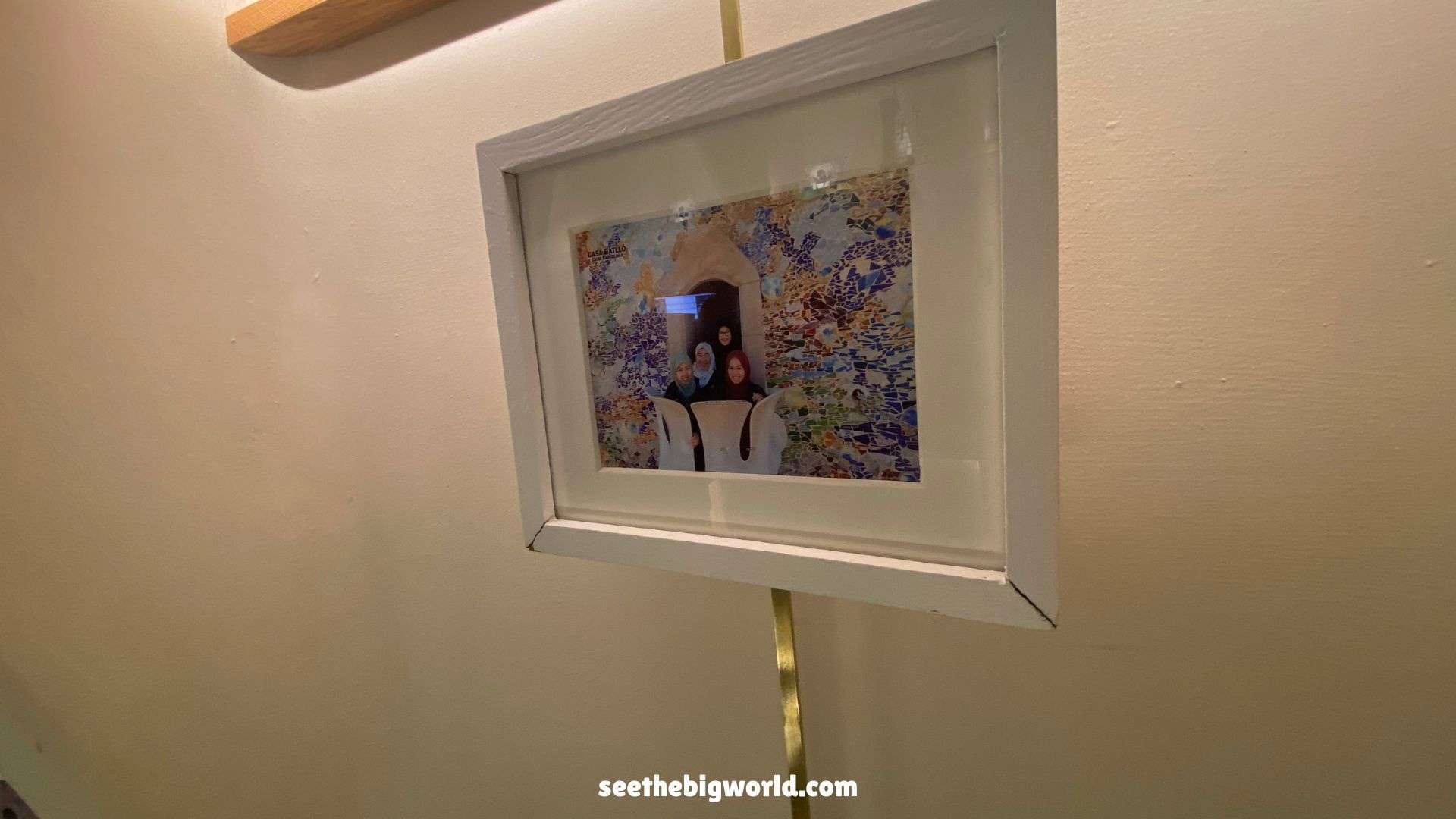
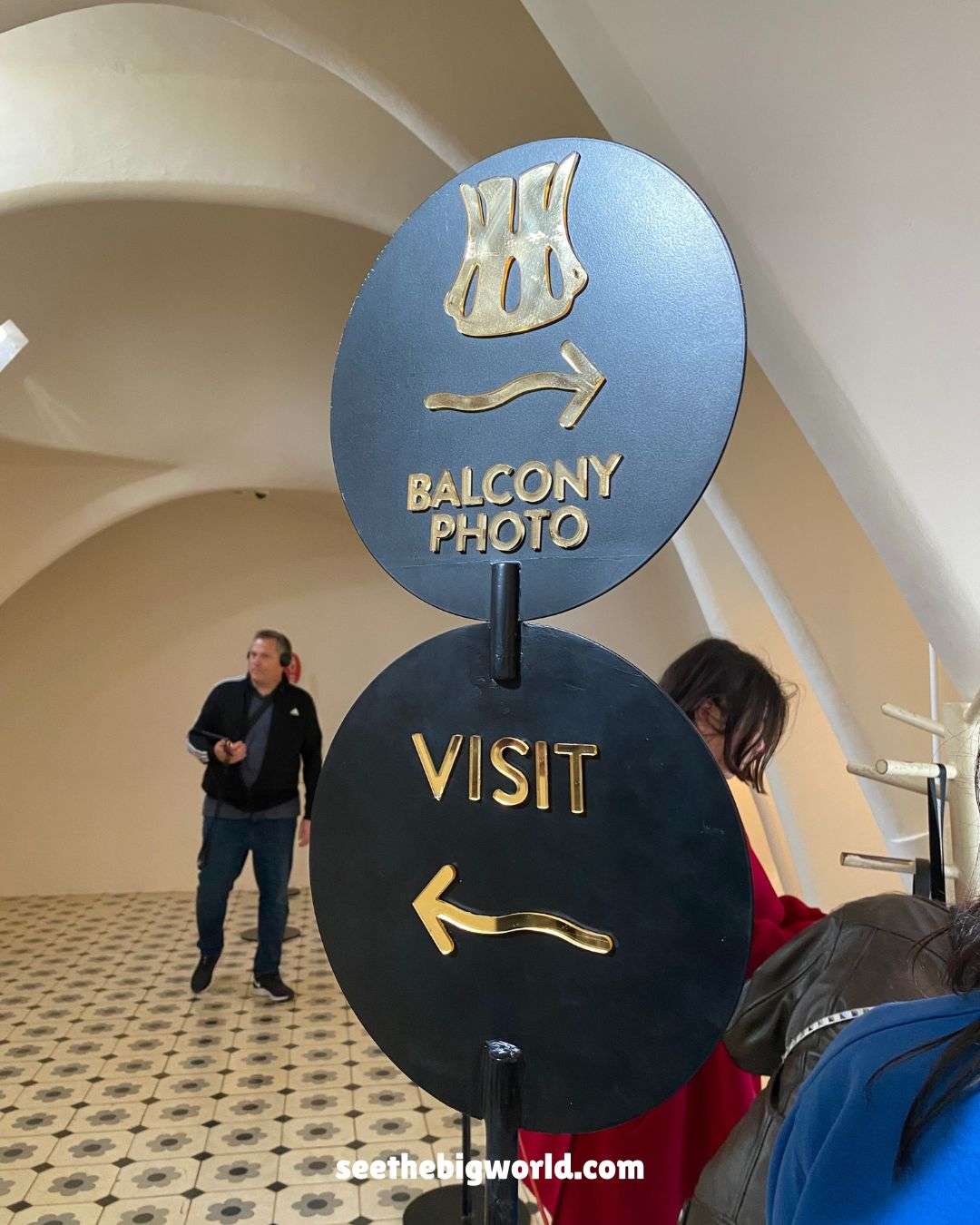
- Outdoor Terrace Photo (Paid): There is a small balcony where an official camera takes a photo of you with the full facade (hard to get this angle on a phone). It’s paid, but the result is a great souvenir.
Rooftop Dragon’s Back
Finally, the rooftop—the scene of Saint George slaying the dragon.
- Photo Spot: The colourful scaled roof is the dragon's back; the cross tower is the sword.
- Advice: This is the busiest spot. Be patient and wait for a gap to get close-ups of the vibrant mosaics.
The Dungeon
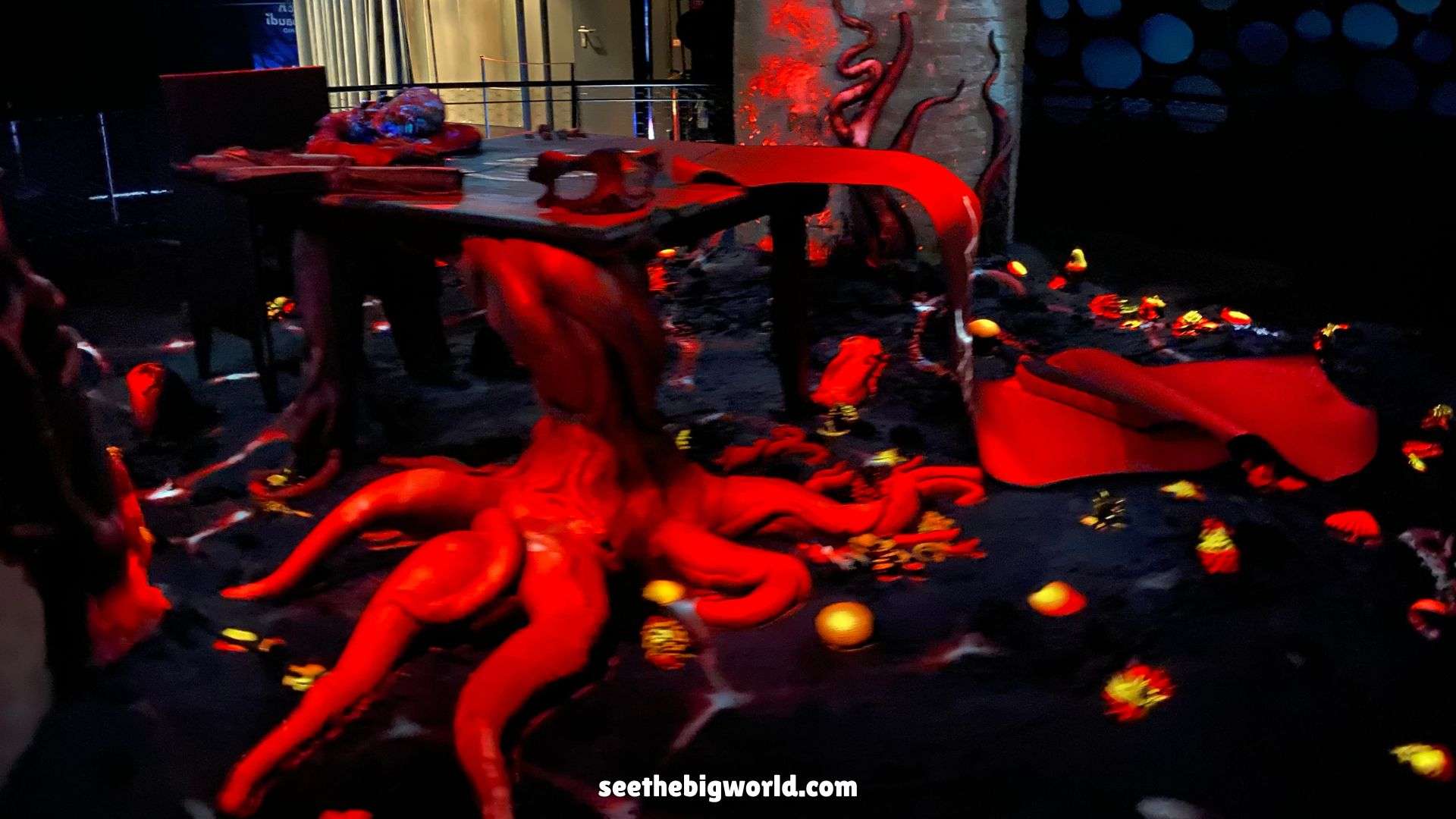
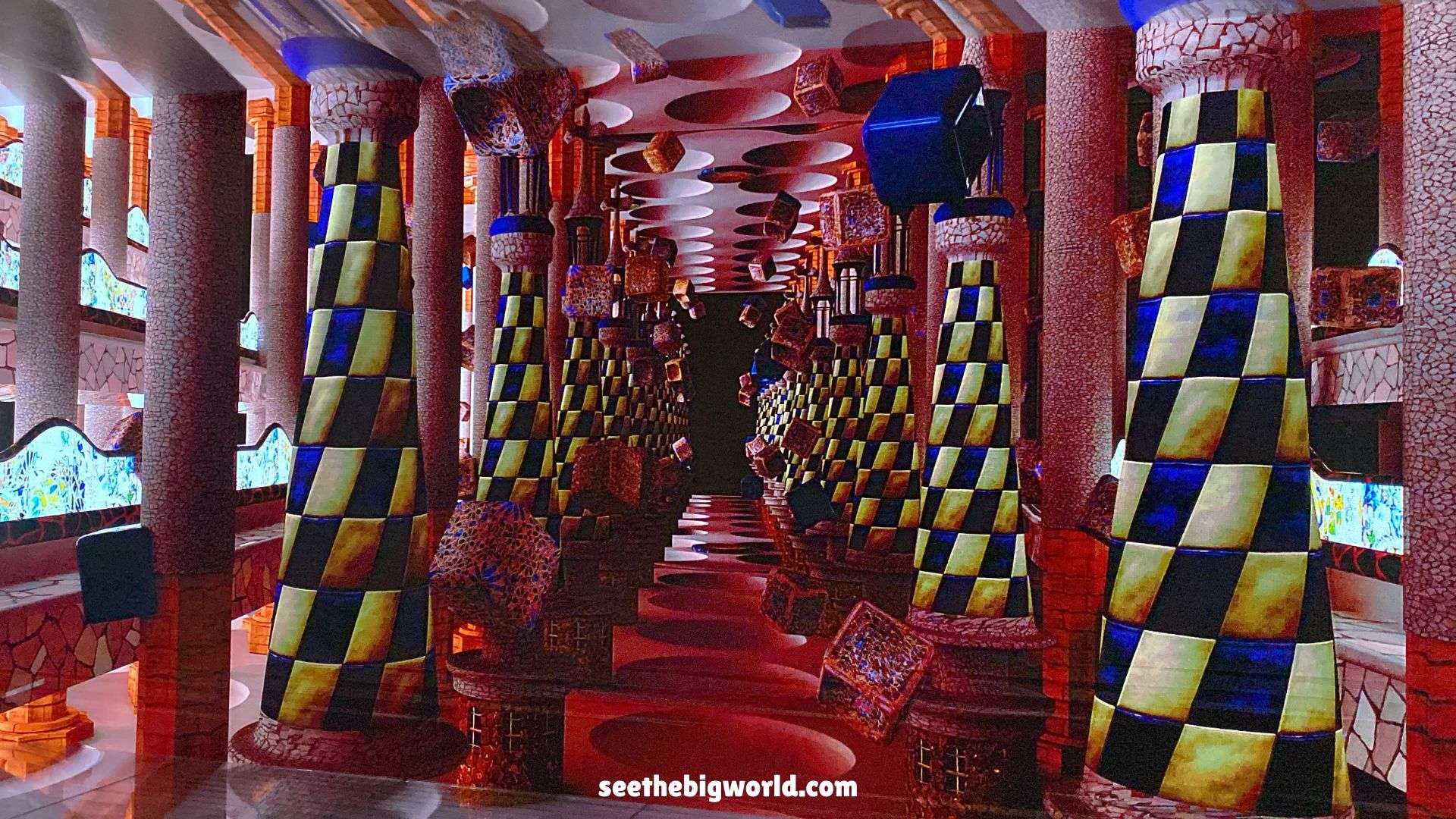
- The Dungeon: At the end of the tour, you pass through the "Gaudí’s Dream" art installation to conclude the journey.
Read More
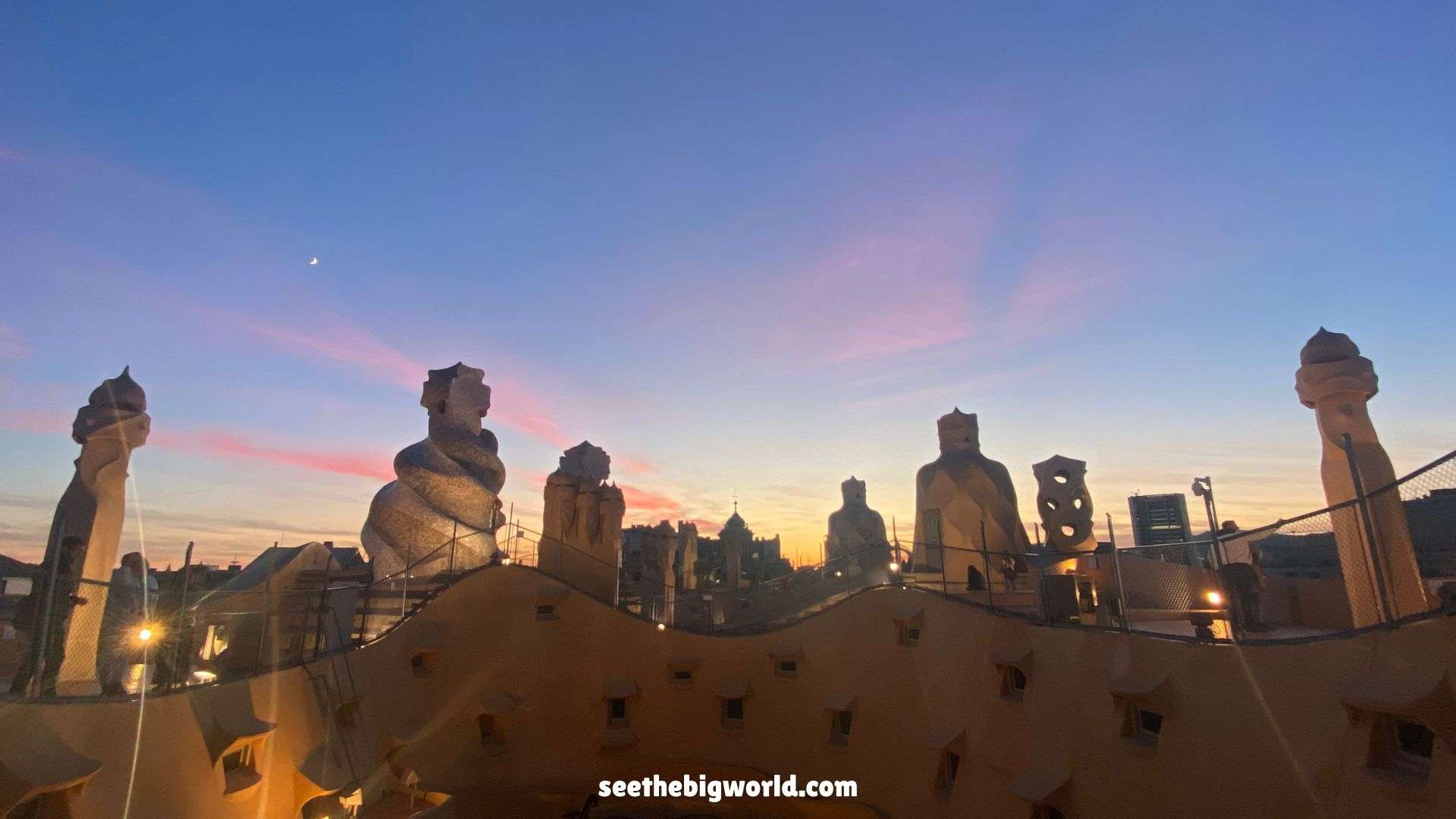
- Next Stop:La Pedrera (Casa Milà)(5-minute walk away, Gaudí’s "Stone Quarry" on the same street)
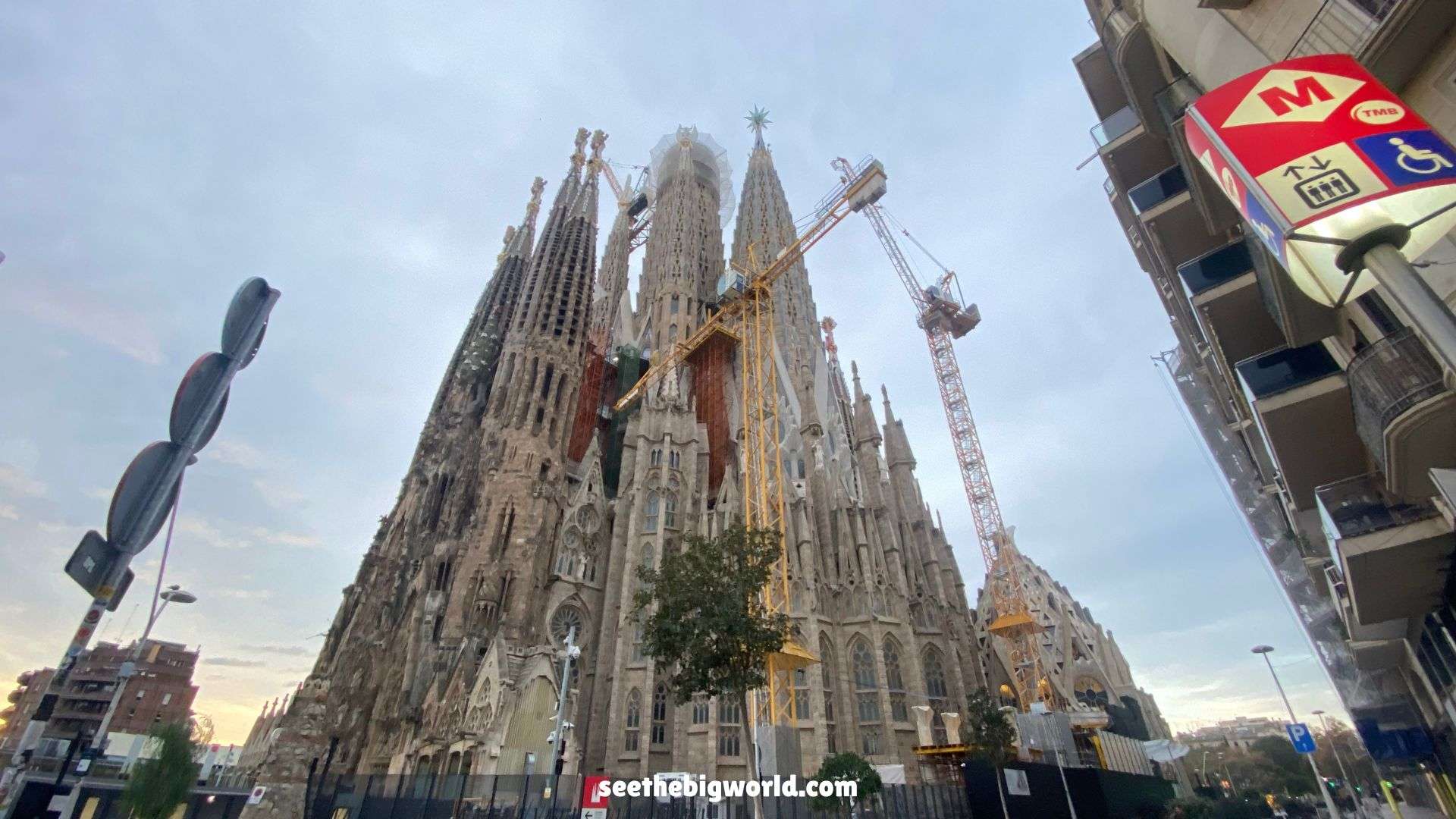
- More Gaudí:Sagrada Família|Park Güell|Casa Vicens|Palau Güell
- Planning Guides:The Ultimate Barcelona City Guide|Barcelona Transportation Guide