Updated on 17/12/2025 | Published on 15/12/2024
Casa Milà Review – Casa Milà (also known as “La Pedrera”) is another masterpiece by the genius architect Antoni Gaudí. Located on Passeig de Gràcia in Barcelona, it is a must-visit landmark for first-time travellers to the city. This article provides an overview of the historical background, highlights, best visiting times, ticket information, and directions to help you easily plan your trip to Barcelona.
Casa Milà Fast Facts
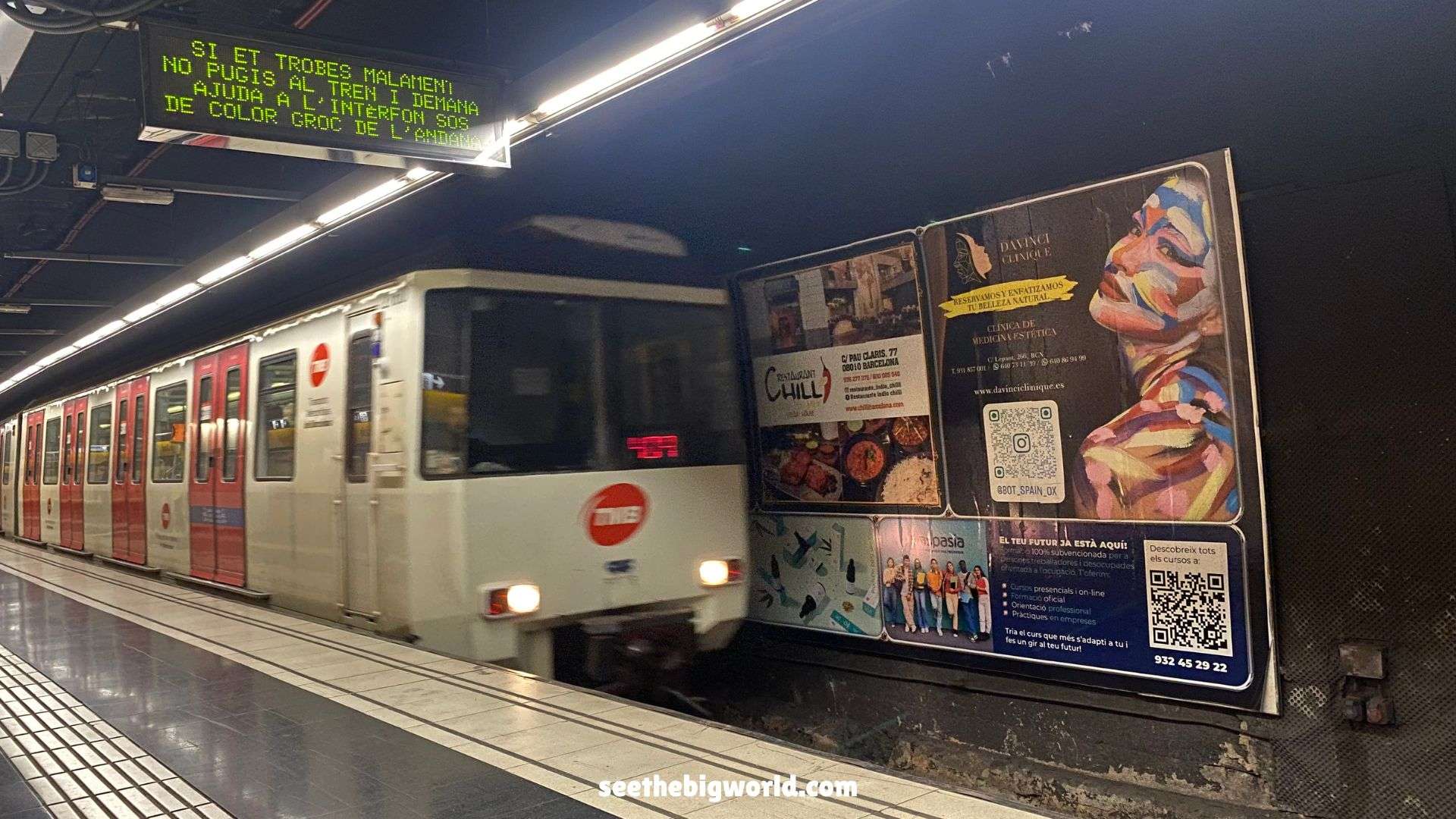
- How to Get There:Take Metro L3 (Green) or L5 (Blue) to Diagonal station; it's about a 5-minute walk.
- Opening Hours:Opens daily at 09:00. Winter until 18:30, Summer until 20:30; Night Experience runs 21:00 – 23:00.
- How Long to Spent:Approx. 1 – 1.5 hours (Allow more time for night tours or in-depth visits).
- Tickets:Check latest prices & booking options
- Day Visit: Includes audio guide, access to the Apartment, Attic, and Roof Terrace.
- Night Experience: Includes a guided tour of the roof light show and a glass of Cava.
- Sunrise/Sunset Tickets: Entry during specific slots to avoid crowds or catch the golden hour.
- Free Entry with Go City Barcelona Pass
The Story of Casa Milà: History, Design & Controversy
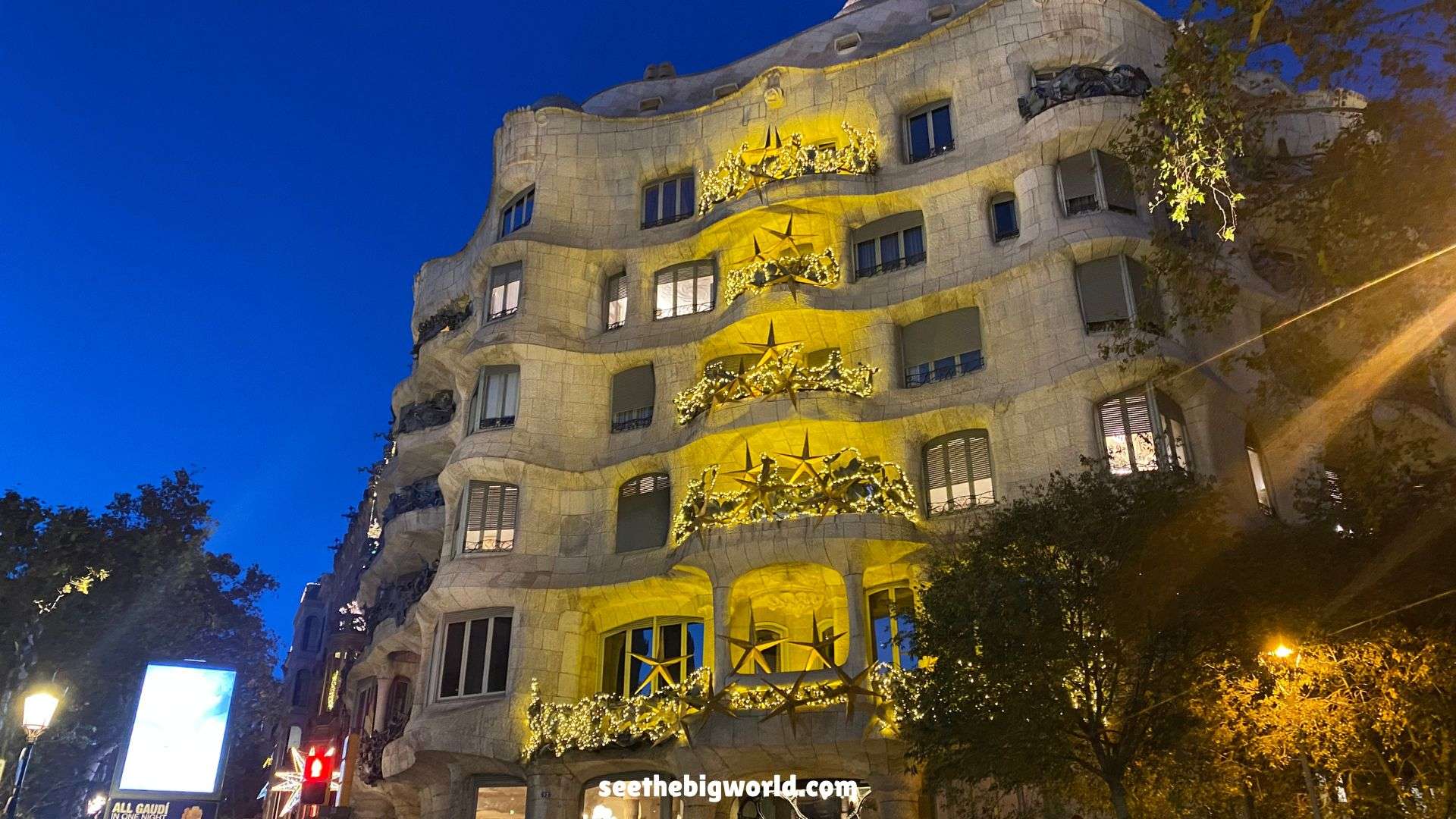
Casa Milà sits on Passeig de Gràcia, just a stone's throw from Casa Batlló. Built between 1906 and 1912, it was the luxury mansion commissioned by the wealthy Pere Milà and his wife, Roser Segimon. This building is not only a UNESCO World Heritage site but also stands as Gaudí's final private residential work in Barcelona.
Why is it called 'La Pedrera' (The Stone Quarry)?
Although officially named Casa Milà, locals in Barcelona are more accustomed to calling it 'La Pedrera' (The Stone Quarry). Originally, this nickname carried a tone of mockery:
- Rock-like Appearance: Unlike the colourful Casa Batlló, Casa Milà is stacked with massive stone blocks. Its wavy lines completely abandon straight edges, making it look like a raw, unpolished quarry.
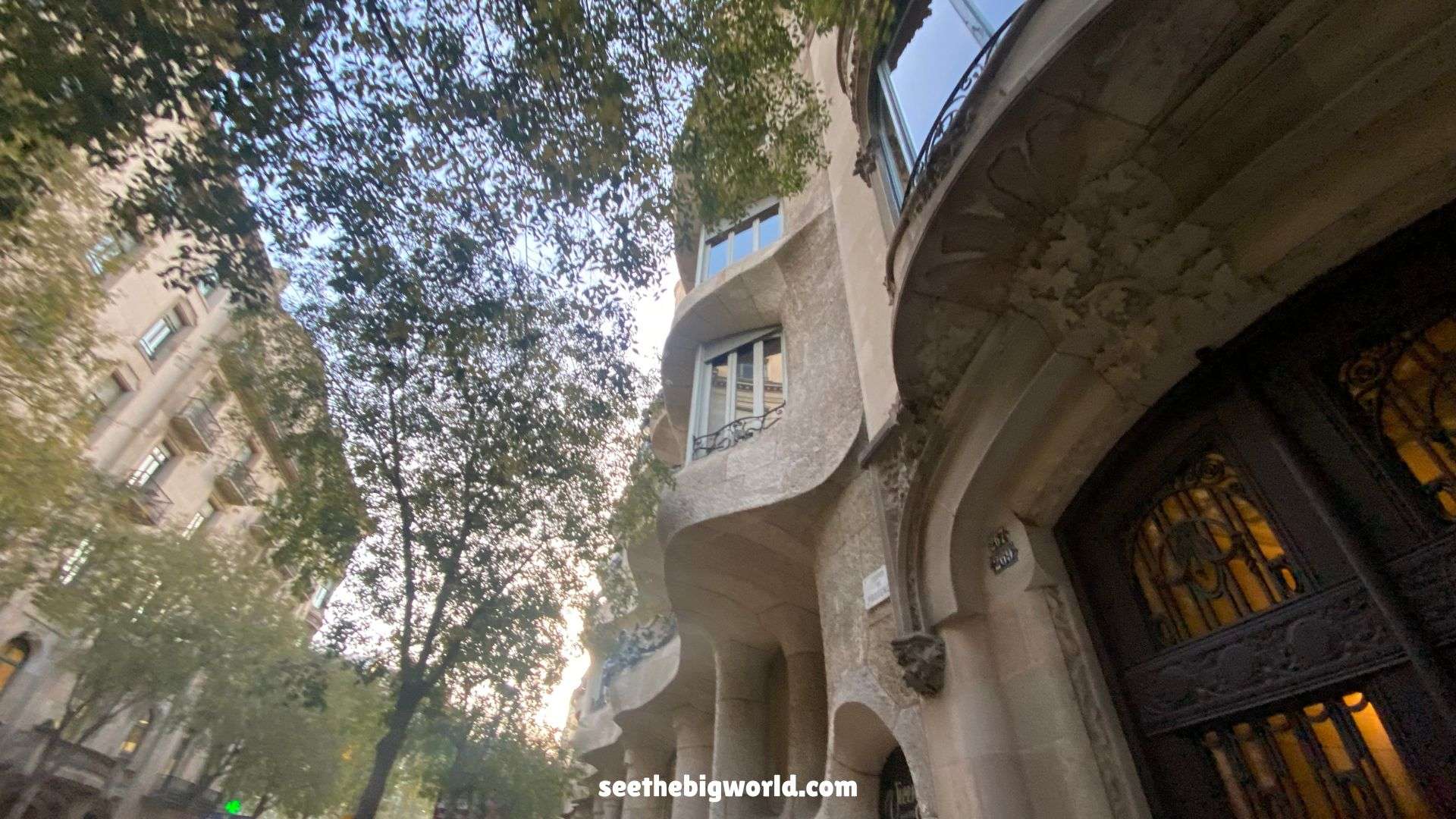
- Structural Innovation: Gaudí used pillars to support the entire weight of the building, meaning the walls did not need to be load-bearing. This design allowed for a free-plan interior where partitions could be moved, and enabled wide windows on the facade—a concept far ahead of its time.
A Millionaire's Nightmare? Overbudget, Fines & Feuds
We see it as art today, but back then, it was a disaster for the Milà couple. The construction process was full of dramatic conflicts:
- Owner Breakdown: Roser frequently complained that the wavy walls made it impossible to place her piano and other furniture against them.
- Regulatory Fines: Gaudí kept changing the design, causing the building volume to exceed regulations, with one pillar even encroaching on the pavement. The city council ordered demolition at one point, and the Milà family was eventually forced to pay a massive fine of 100,000 Pesetas to legalise the building. (For context, 100,000 Pesetas in 1912 would be equivalent to approximately €480,809 today).
- Court Battles: The story didn't end happily. Gaudí and the Milà family went to court over design fees. Gaudí won and donated the entire compensation to a convent to make a statement.
Who Lived Here? The Hierarchy of a Luxury Mansion
From the outset, Casa Milà was designed as a mixed-use luxury apartment block, reflecting the social hierarchy of Barcelona a century ago:
- Ground Floor: Rented out as shops.
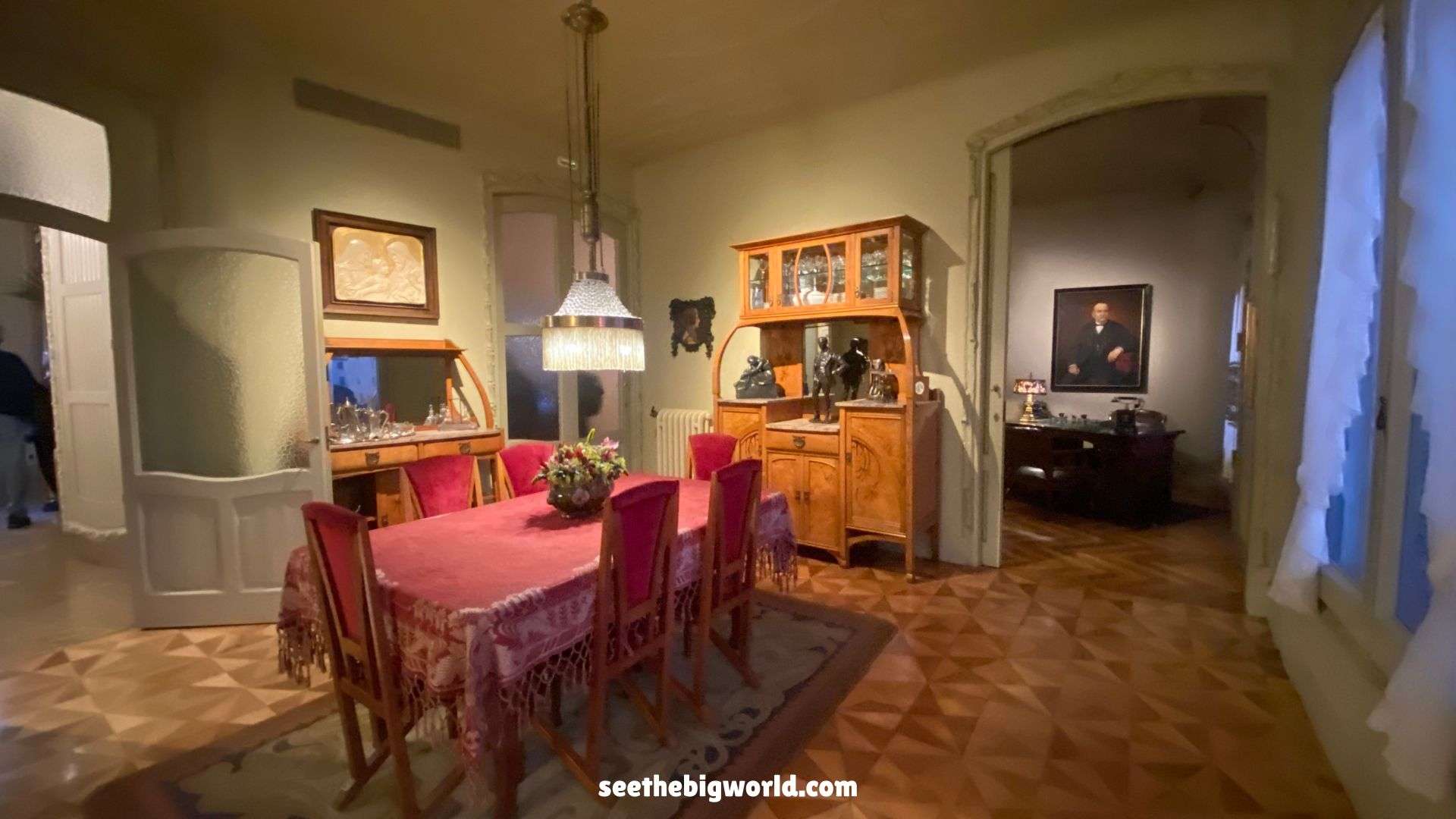
- First Floor (The Principal Floor): The entire floor, boasting the best views, highest ceilings, and most luxurious decor, was the residence of the Milà couple.
- Upper Floors (Tenants): Divided into multiple rental apartments. At the time, tenants were mostly lawyers, doctors, and other professionals or the upper-middle class; living here was a status symbol.
The Finale of Gaudí's Secular Architecture
Casa Milà holds a special place in architectural history as Gaudí's last non-religious private commission:
- A Turning Point: After completing this building, Gaudí seemed to have exhausted his exploration of secular architecture.
- Total Dedication: He subsequently refused other private invitations, devoting the rest of his life entirely to God and the eternally unfinished Sagrada Família.
Casa Milà Review: Best Time to Visit, Route & Highlights
My Recommended Time: A Winter Sunset Double Treat
While mornings are usually best to avoid crowds, I discovered a very special time to visit, which I highly recommend for friends visiting in December.
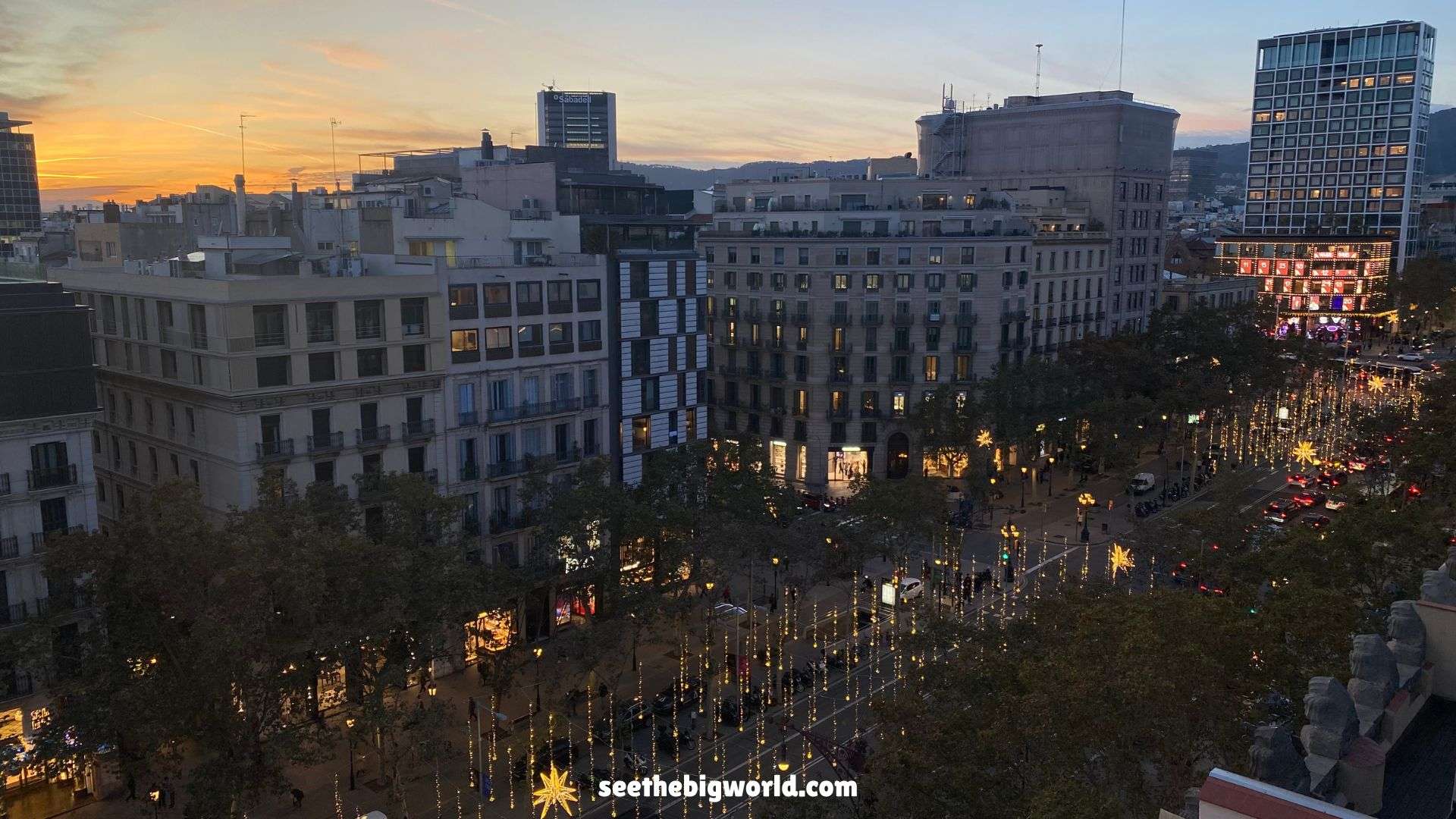
- Sunset Entry: I suggest booking a ticket for about an hour before sunset.
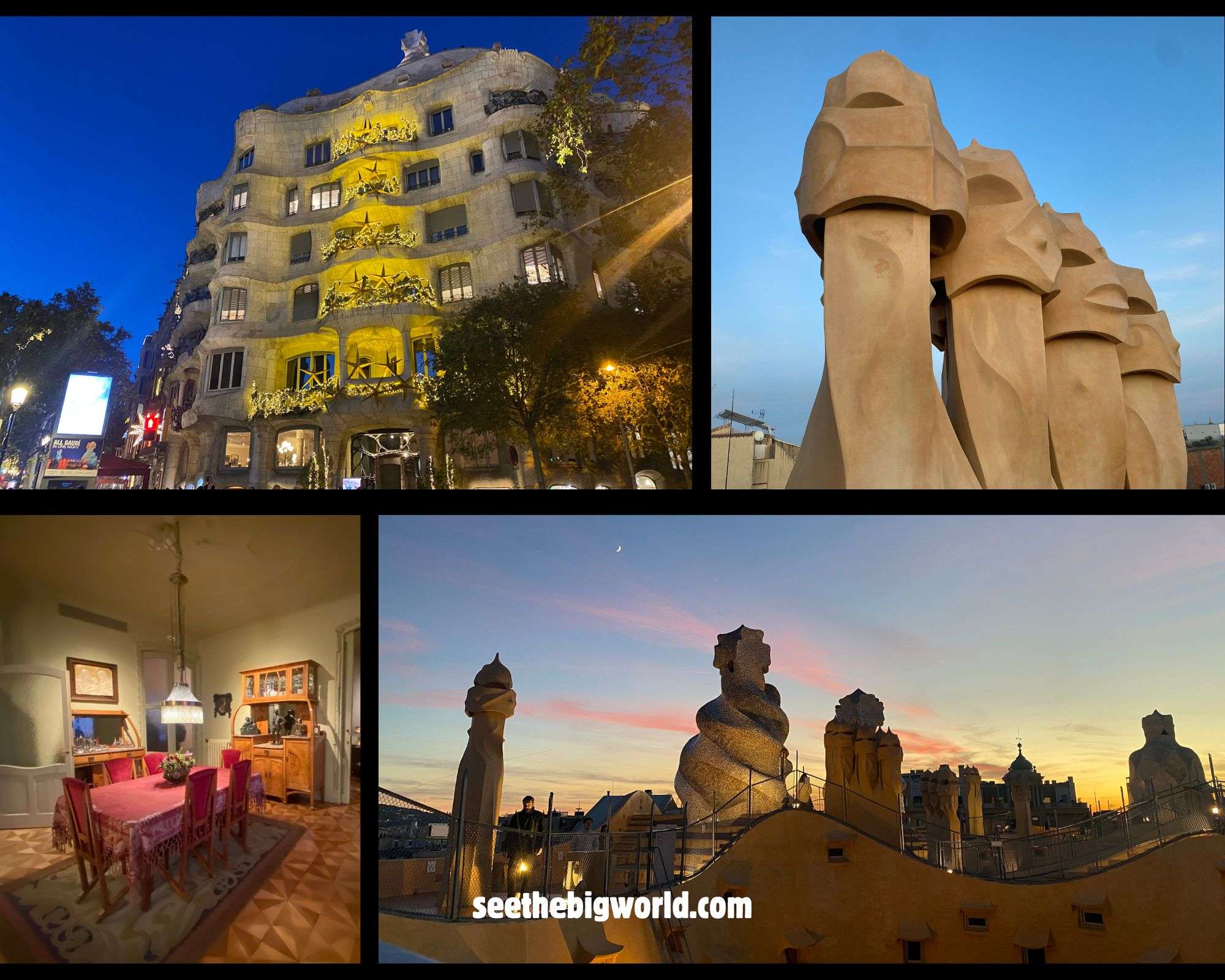
- Double View: You can enjoy the Barcelona sunset on the rooftop first; as night falls, you can look down directly at the Christmas lights illuminating Passeig de Gràcia—it’s absolutely mesmerising.
Alert: Be Prepared for Stairs
Before introducing the highlights, I need to give everyone a heads-up. Although Casa Milà has elevators, I found on the day I visited that they are prioritised for those with reduced mobility or special needs. Almost all visitors were walking up.
A Solid Workout: This means you will have to "climb" all the way to the roof and walk back down, a round trip of about 8 floors, definitely do not wear heels or stiff boots to suffer in.
Once you overcome the physical challenge, this building is absolutely worth the effort. Here are four must-see highlights based on my visit route:
The Courtyards: Looking Up at the Sky
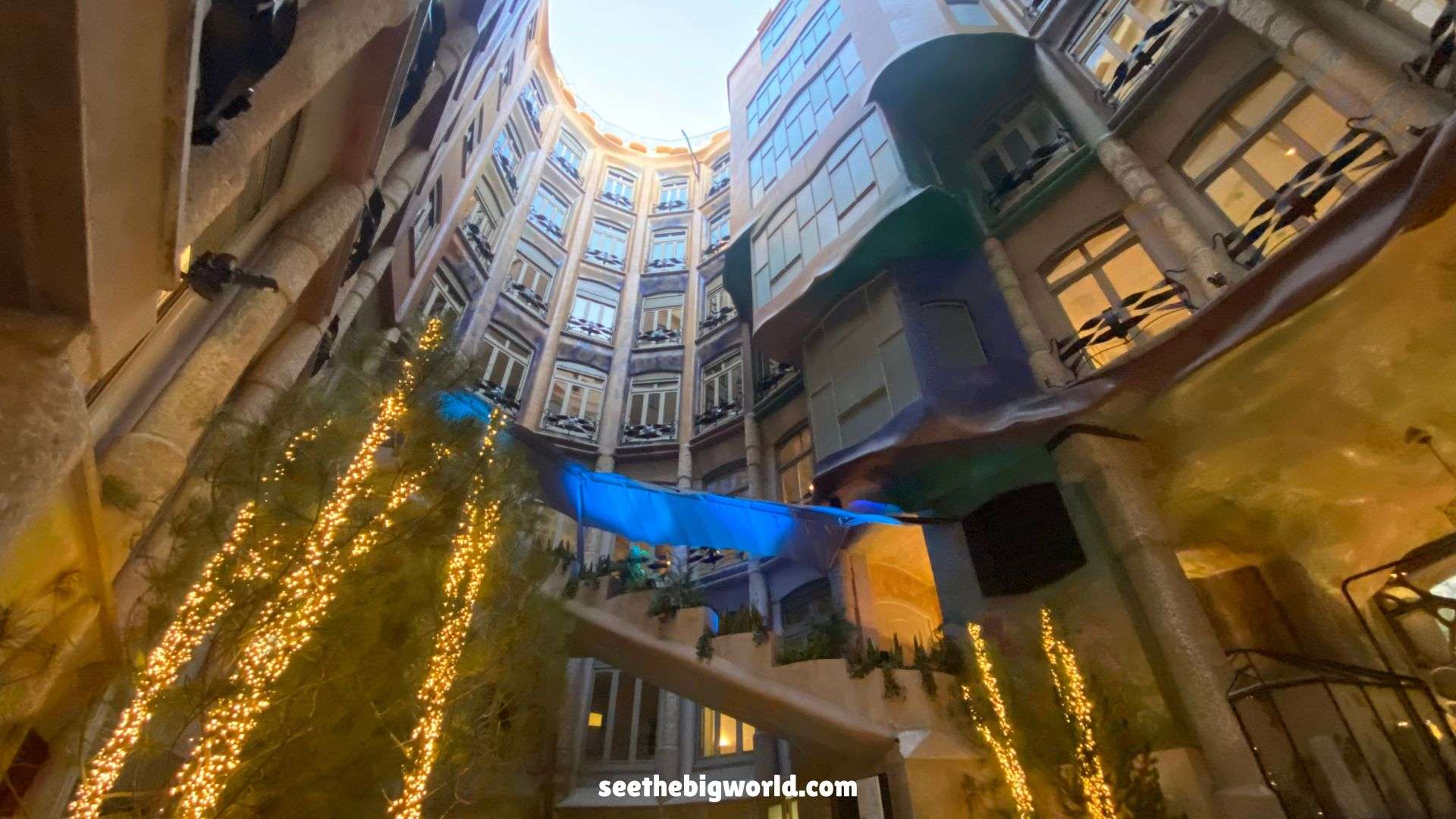
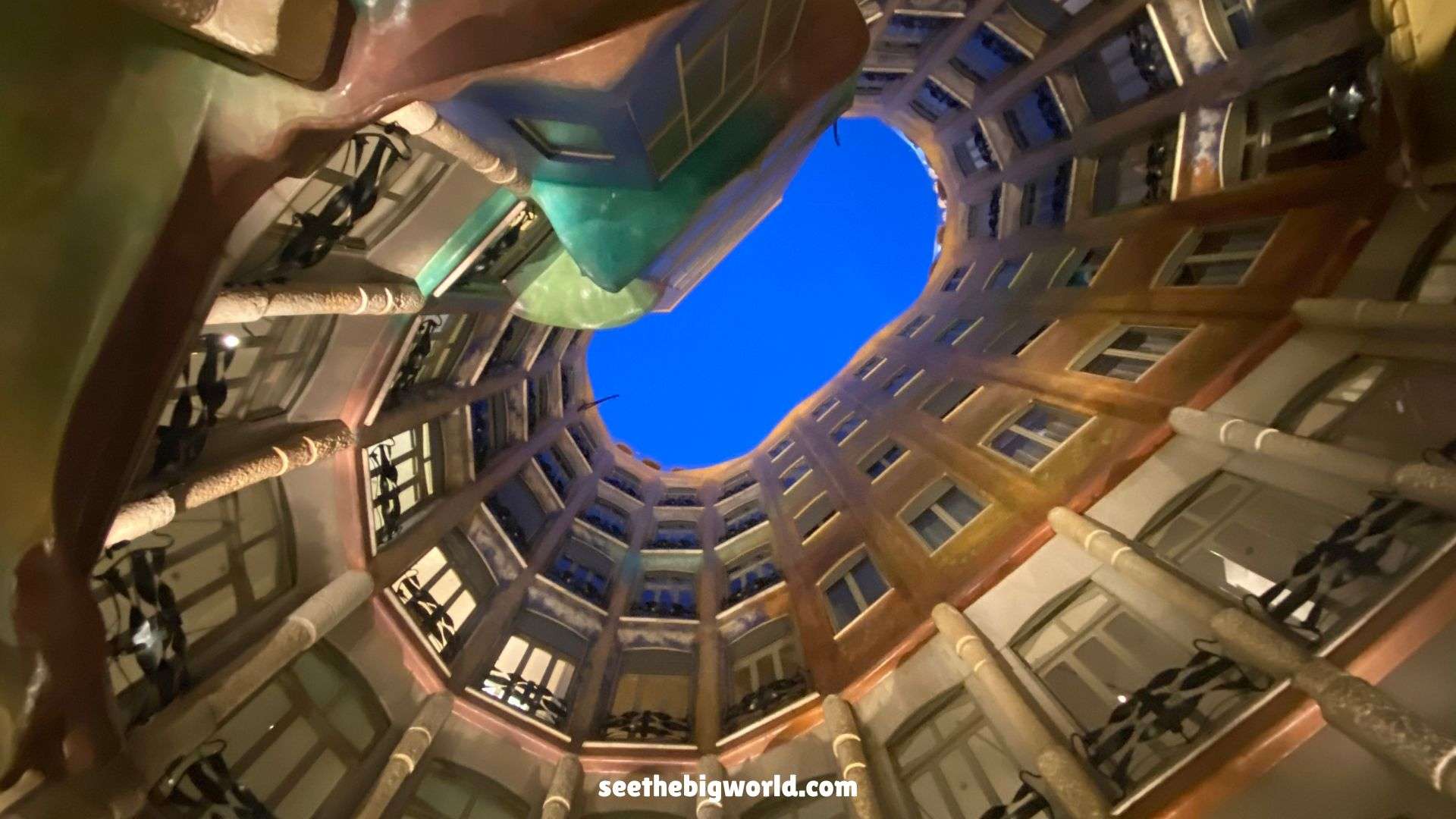
After entering the building, don't forget to stand in the courtyard and look up.
- Lighting Design: The round and elliptical courtyards act like giant funnels, drawing natural light into every floor.
- Colour Details: The walls are painted with floral patterns full of nature, and the colours change with the height, once again demonstrating Gaudí's ultimate mastery of light and shadow.
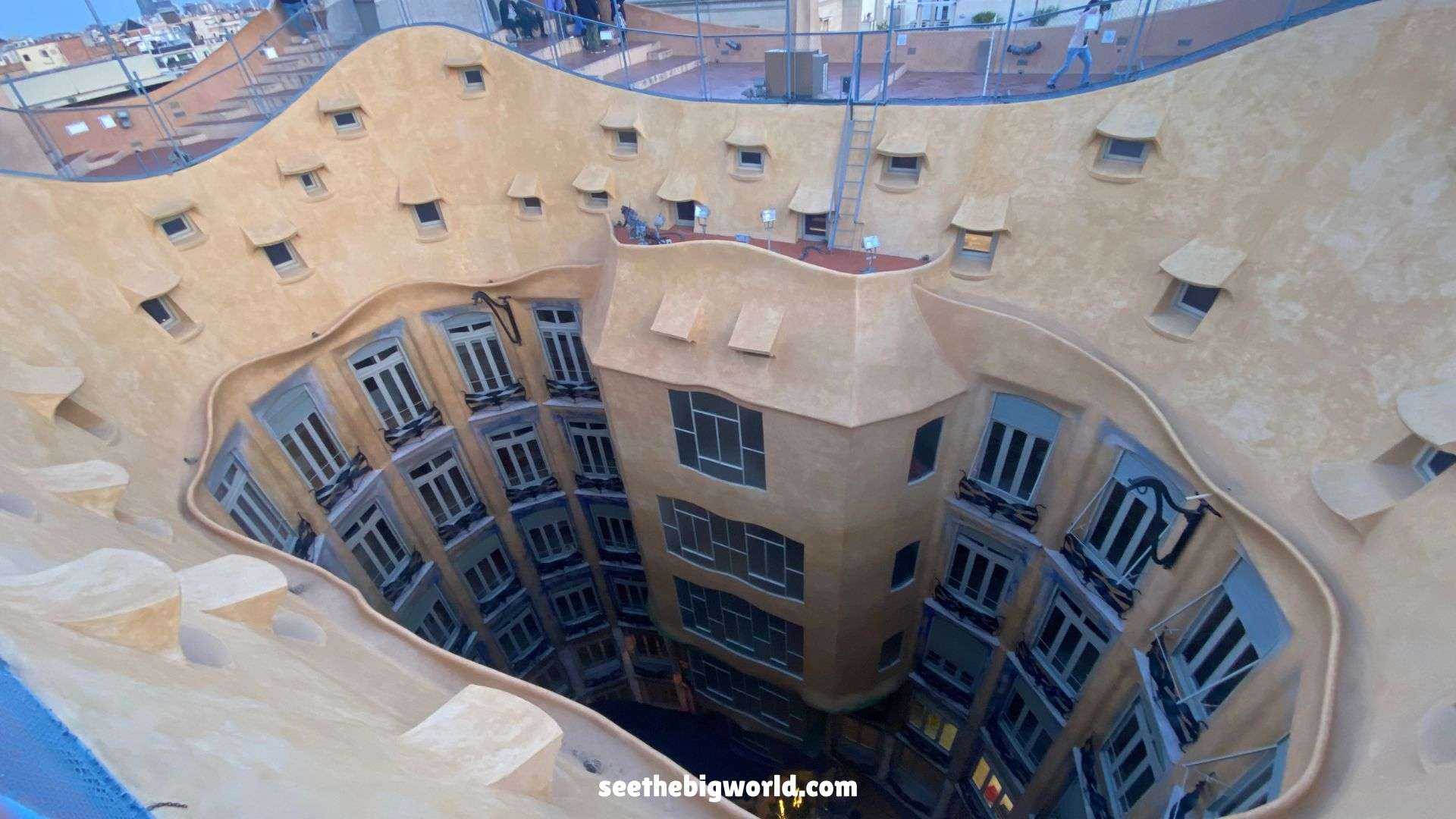
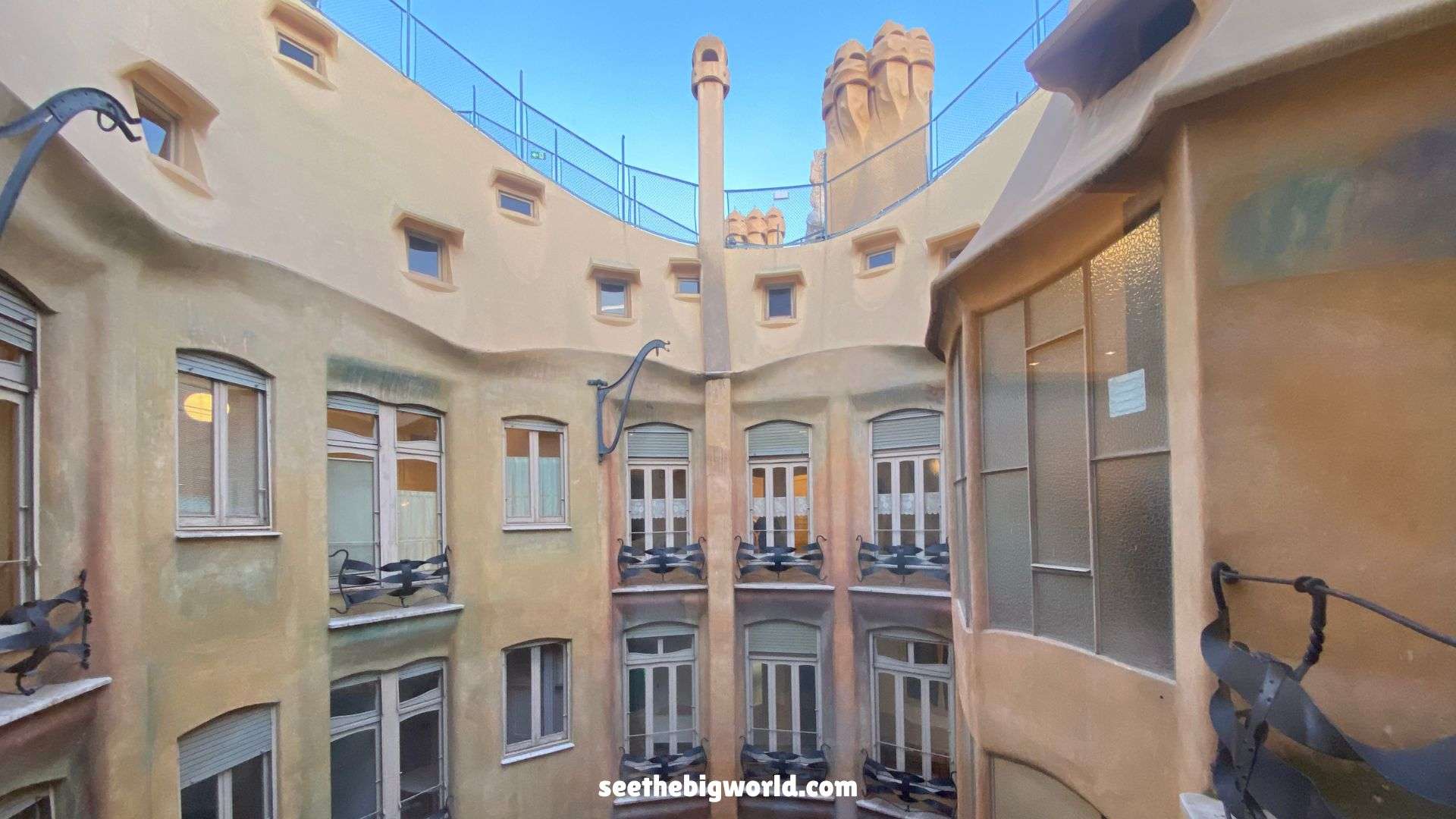
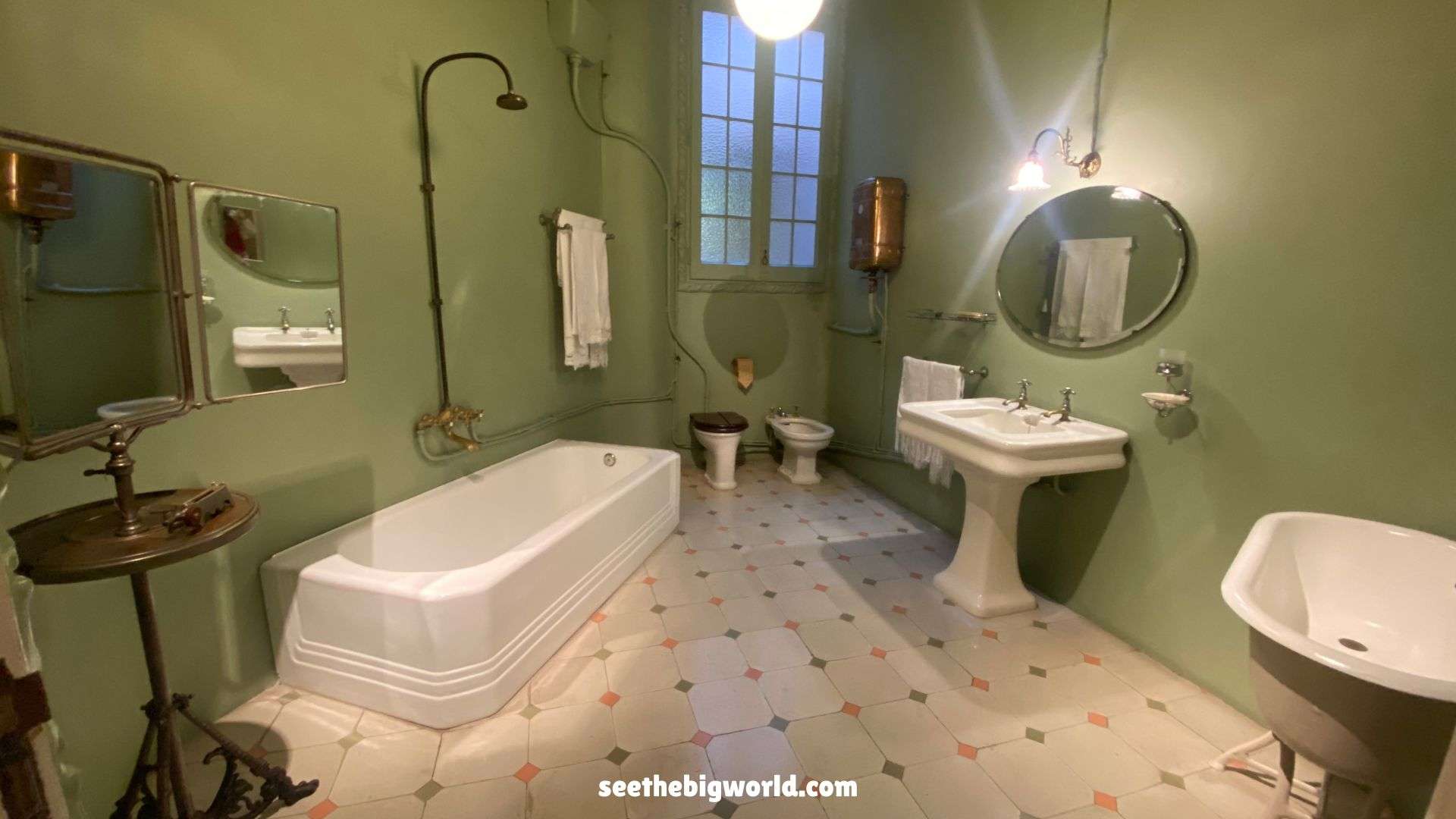
The Apartment: Middle-Class Life 100 Years Ago
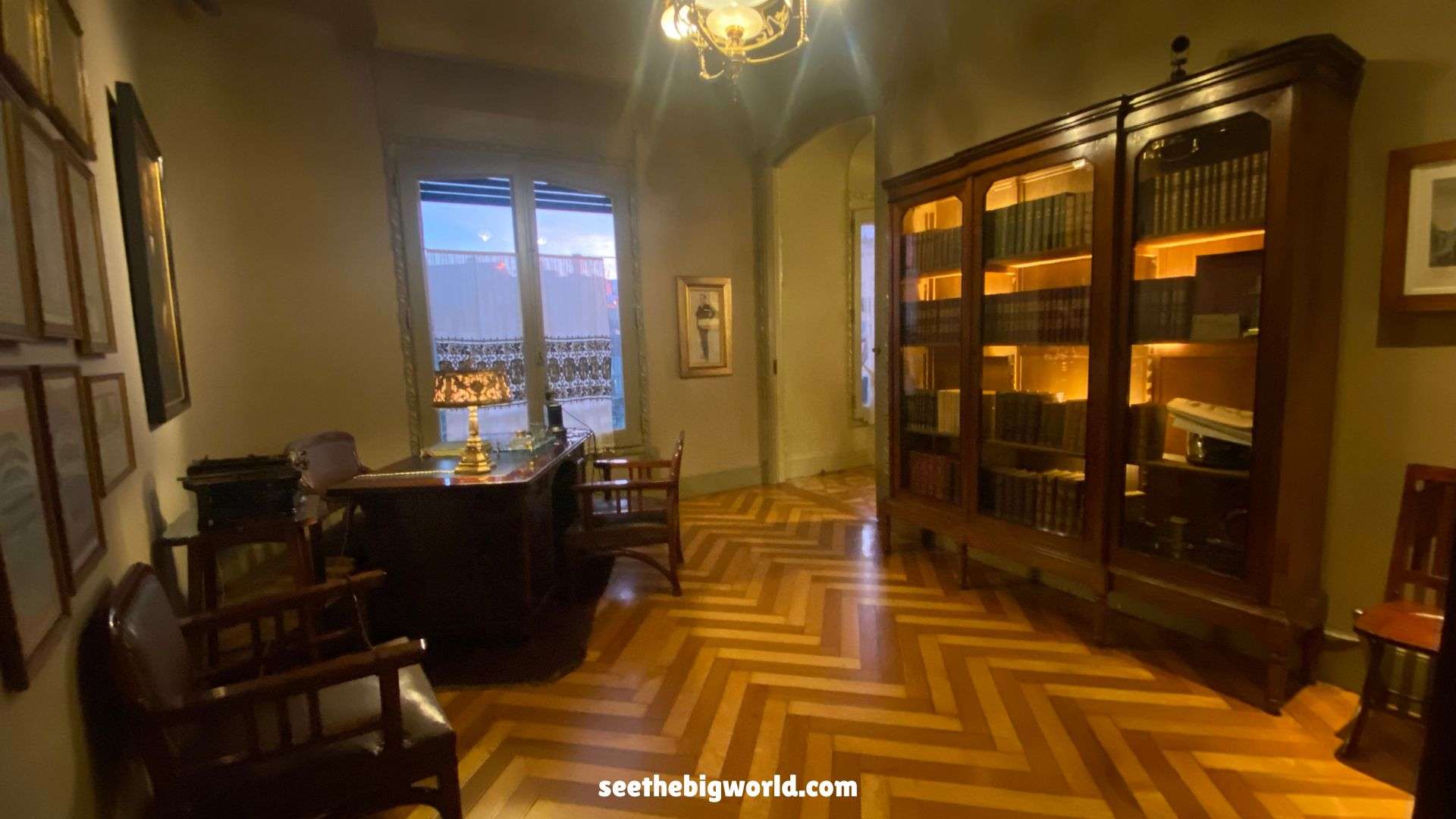
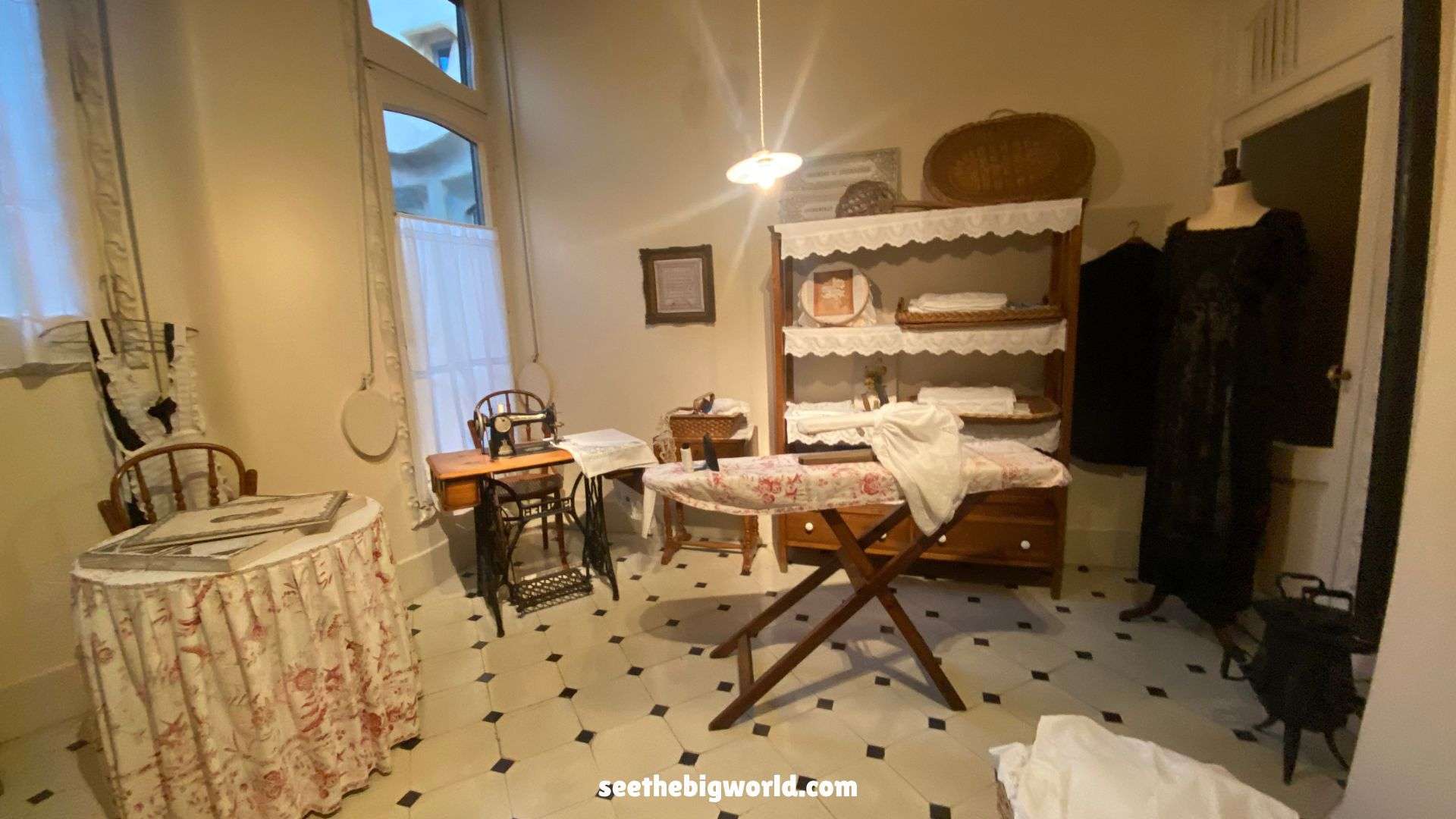
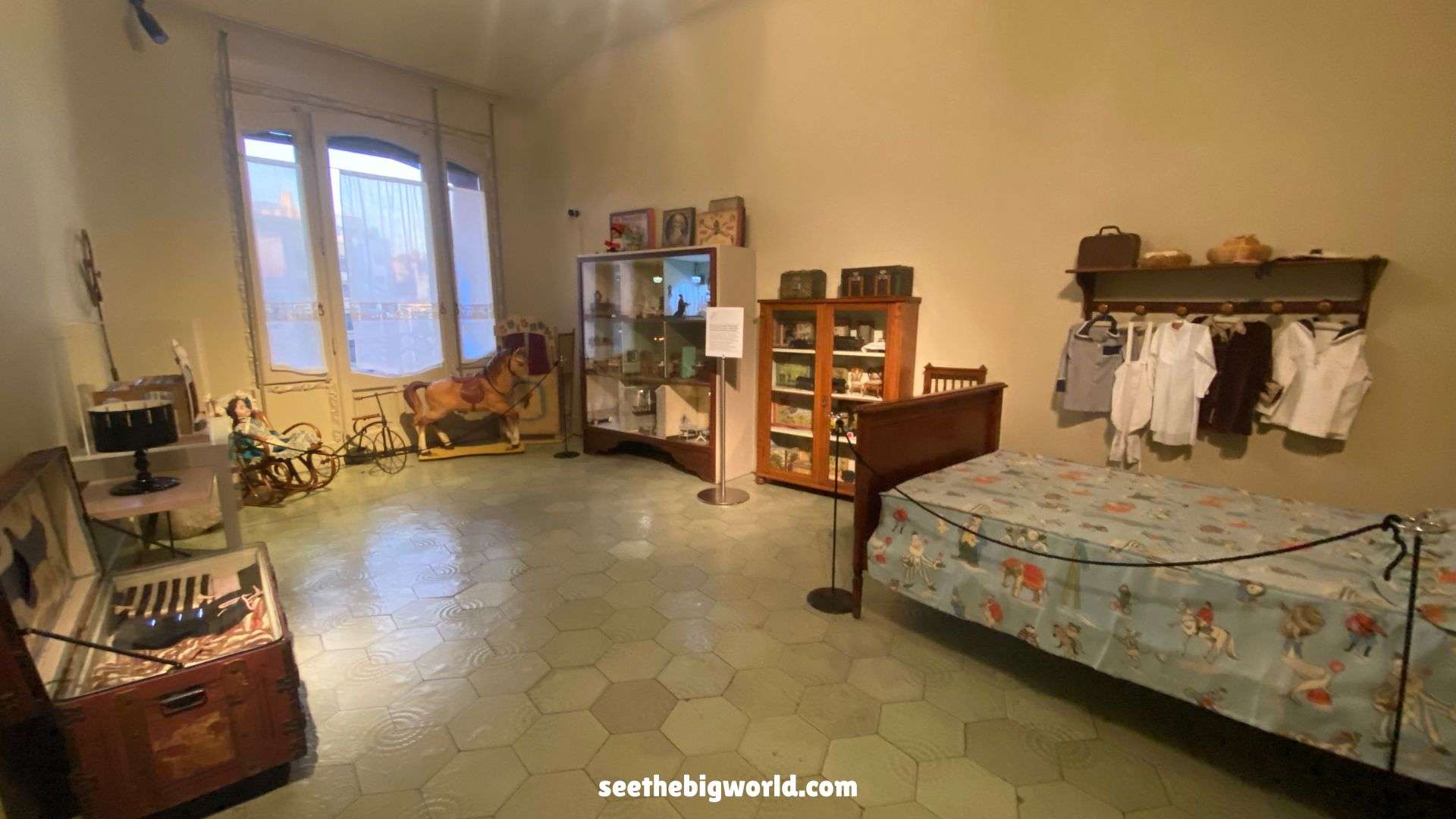
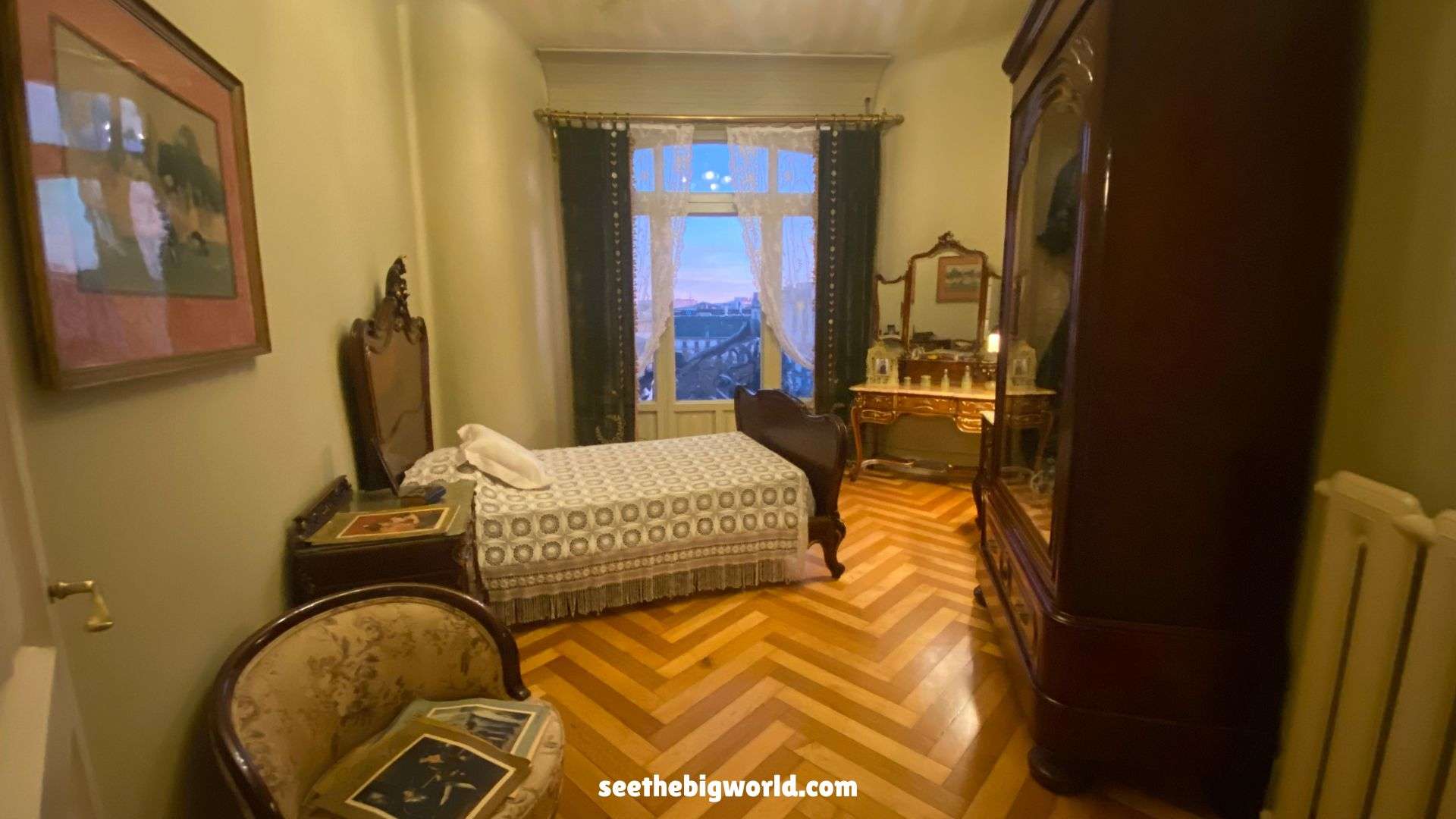
Go upstairs to the apartment floor, which recreates the life of the Barcelona bourgeoisie in the early 20th century.
- Time Travel: It preserves the furniture, kitchen utensils, and even the original floor tiles from that era. You can see how the wealthy lived a hundred years ago, from the servants' quarters to the master's living room; the details are exquisite.
- Flexible Partitions: Pay attention to the layout here. Because the building's weight is supported by pillars, the walls can be moved at will—a design that was incredibly luxurious and avant-garde for its time.
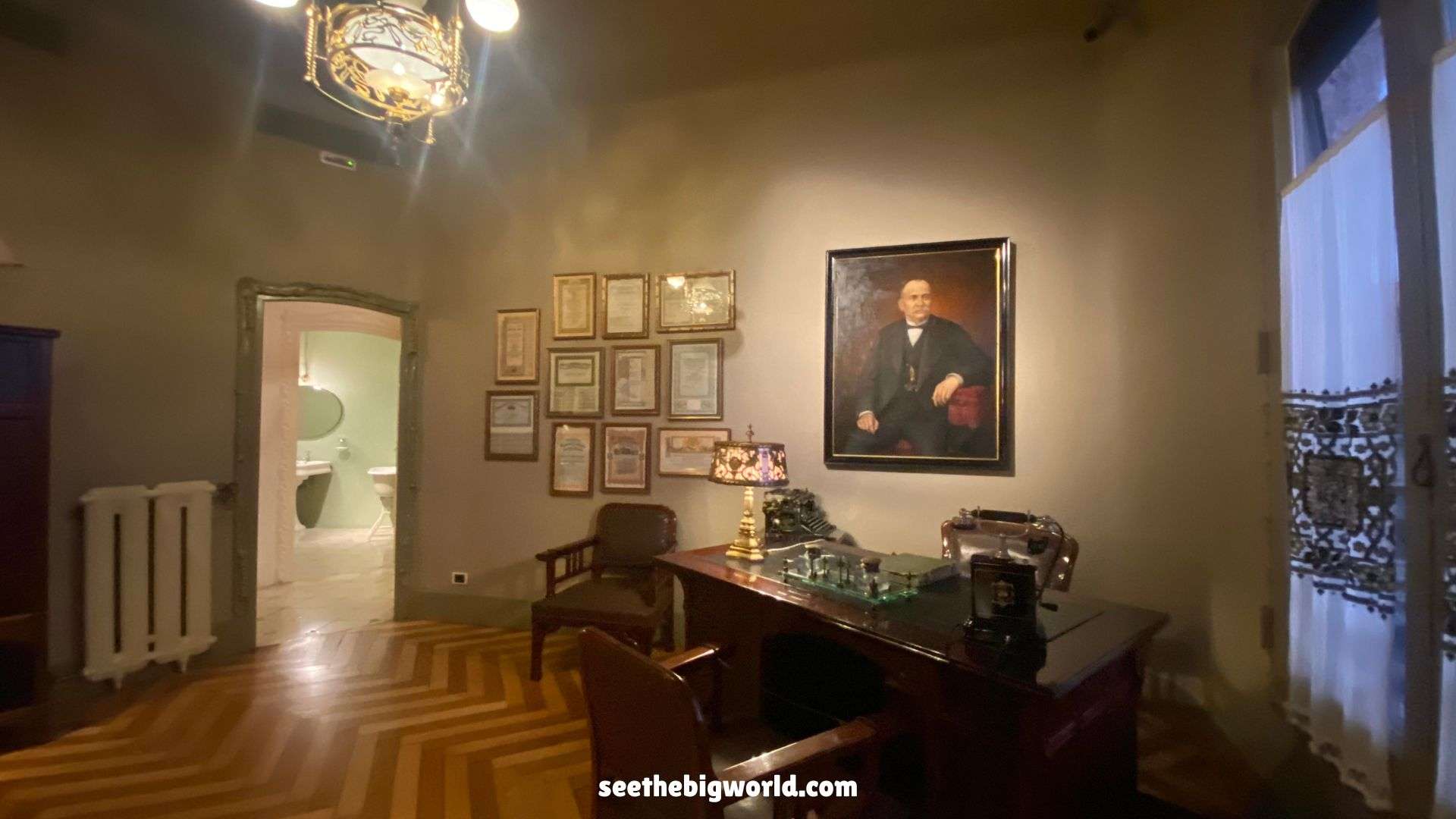
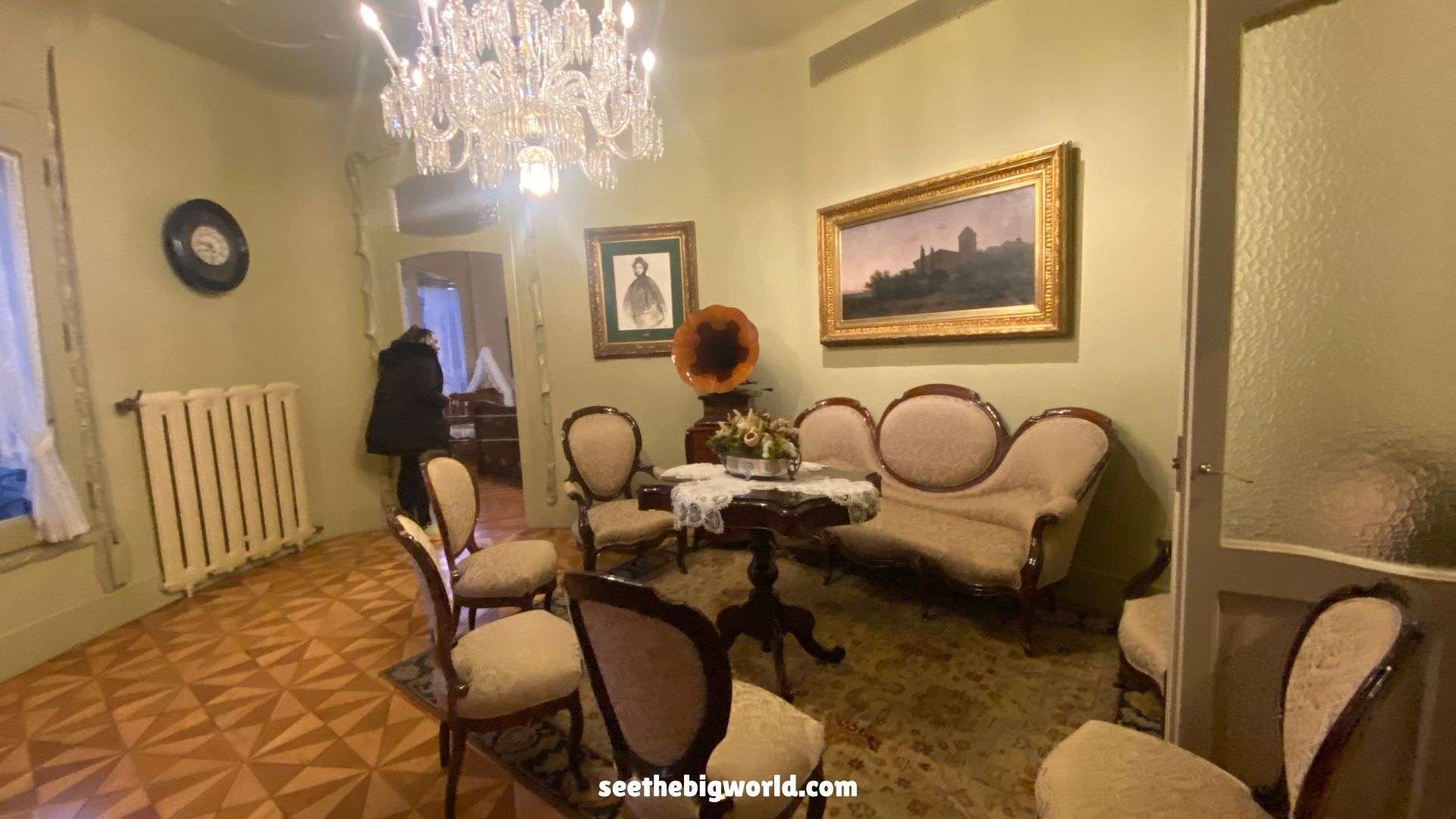
The Attic: Inside the Whale's Belly
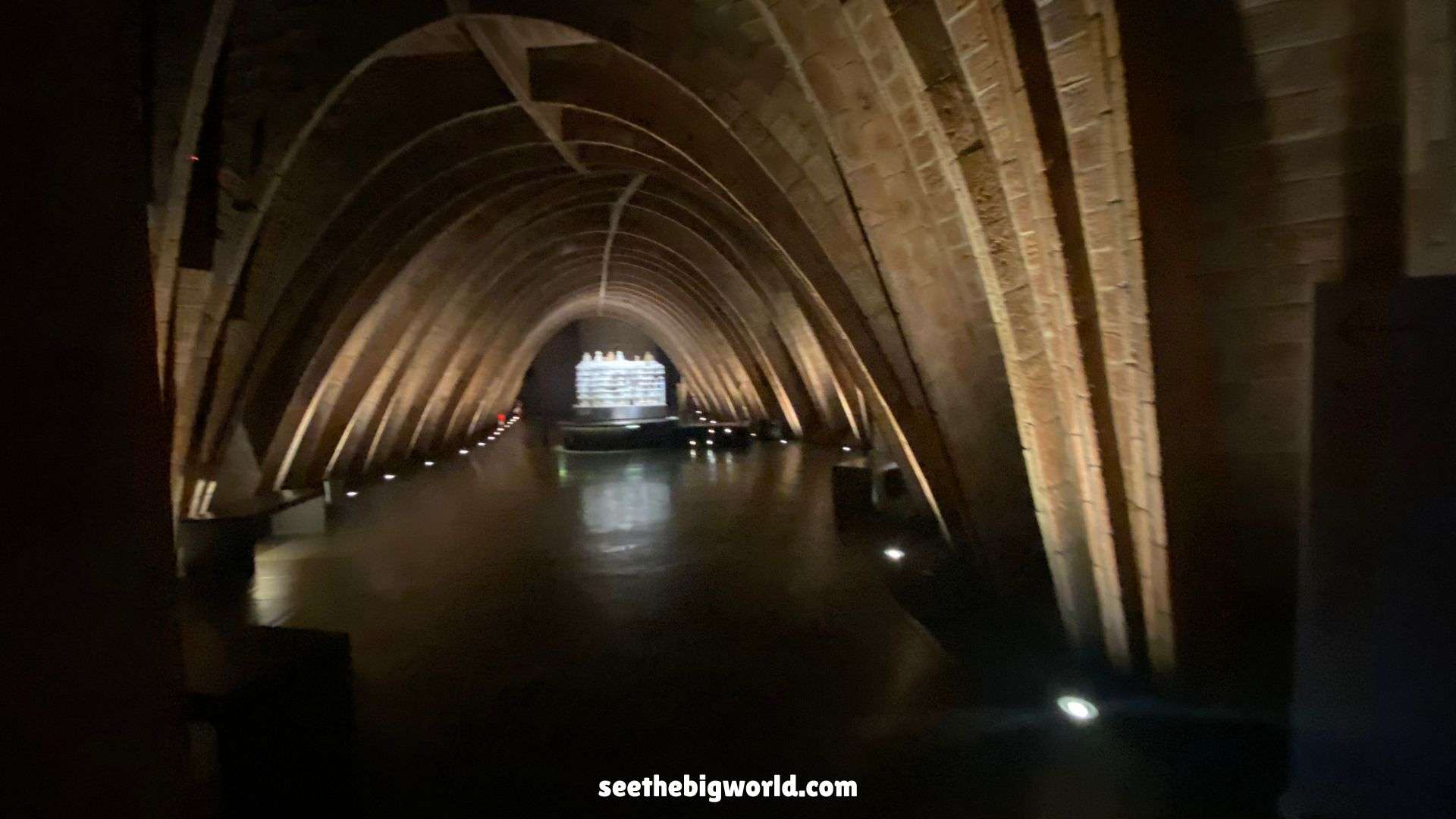
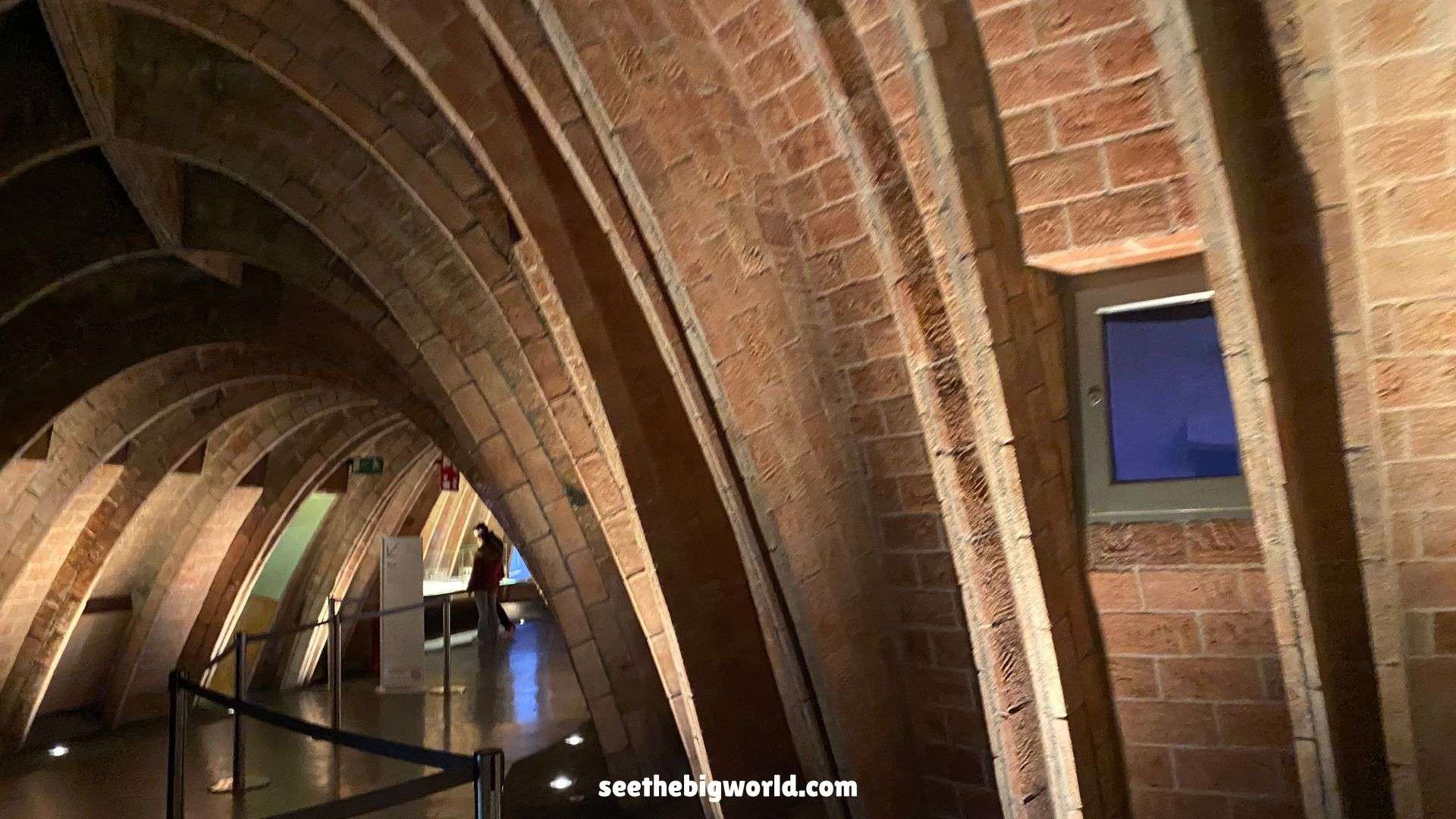
Going further up, you enter the attic, originally used for drying laundry and temperature regulation.
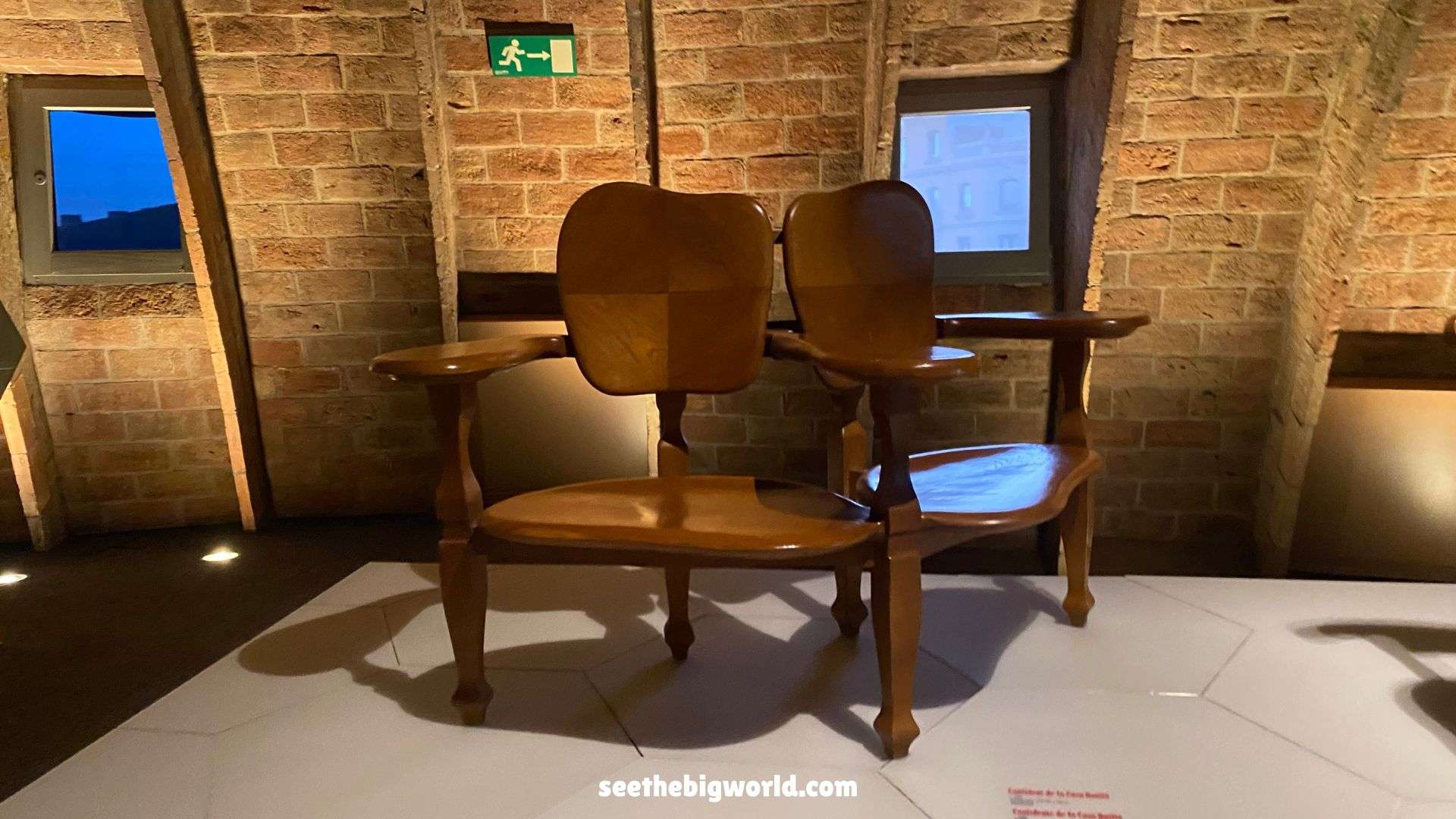
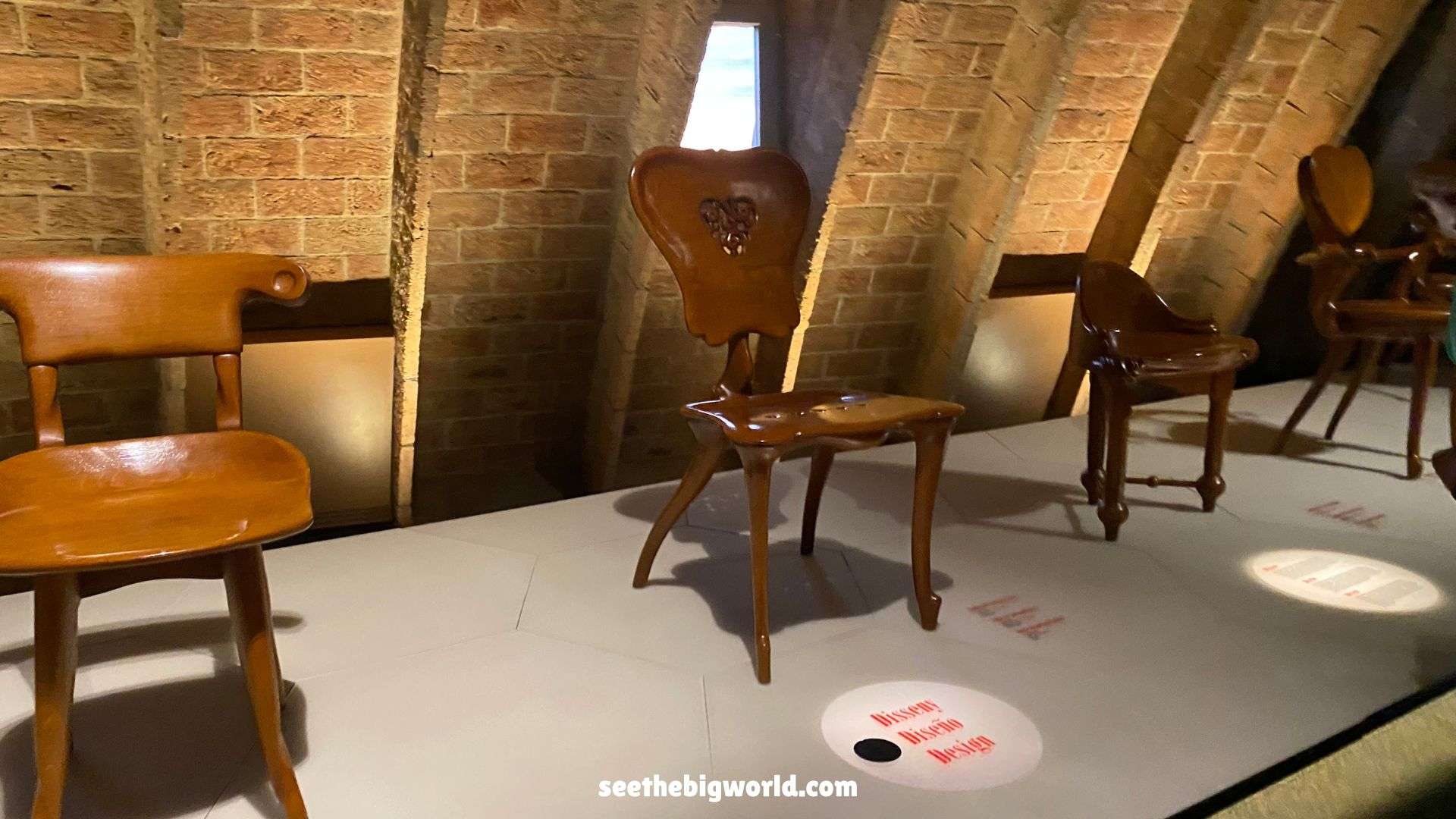
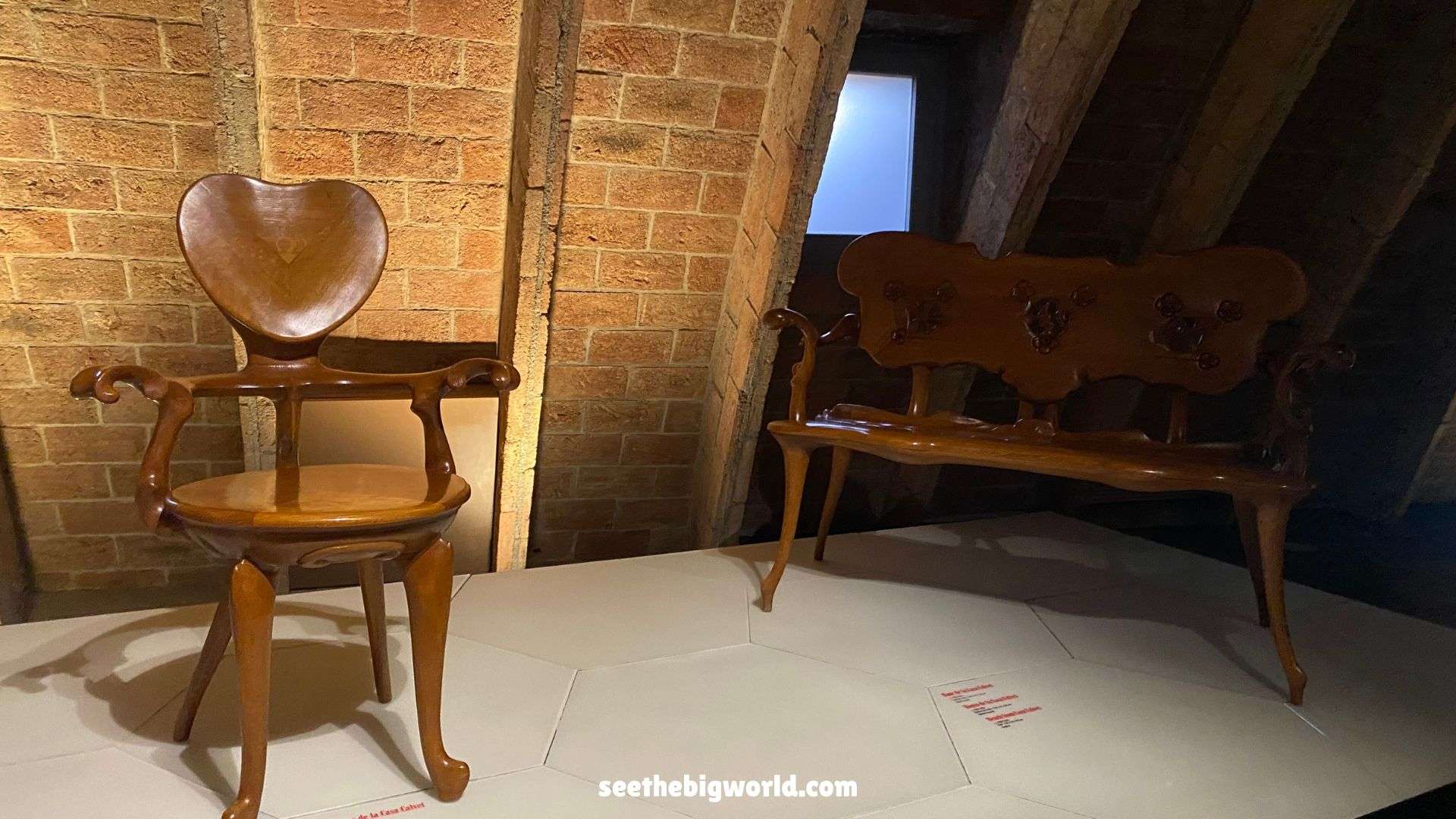
- Whale Skeleton: This space is formed by 270 brick catenary arches of varying heights. Walking through the corridor gives you the illusion of being inside the belly of a giant whale skeleton, with rich layers of light and shadow.
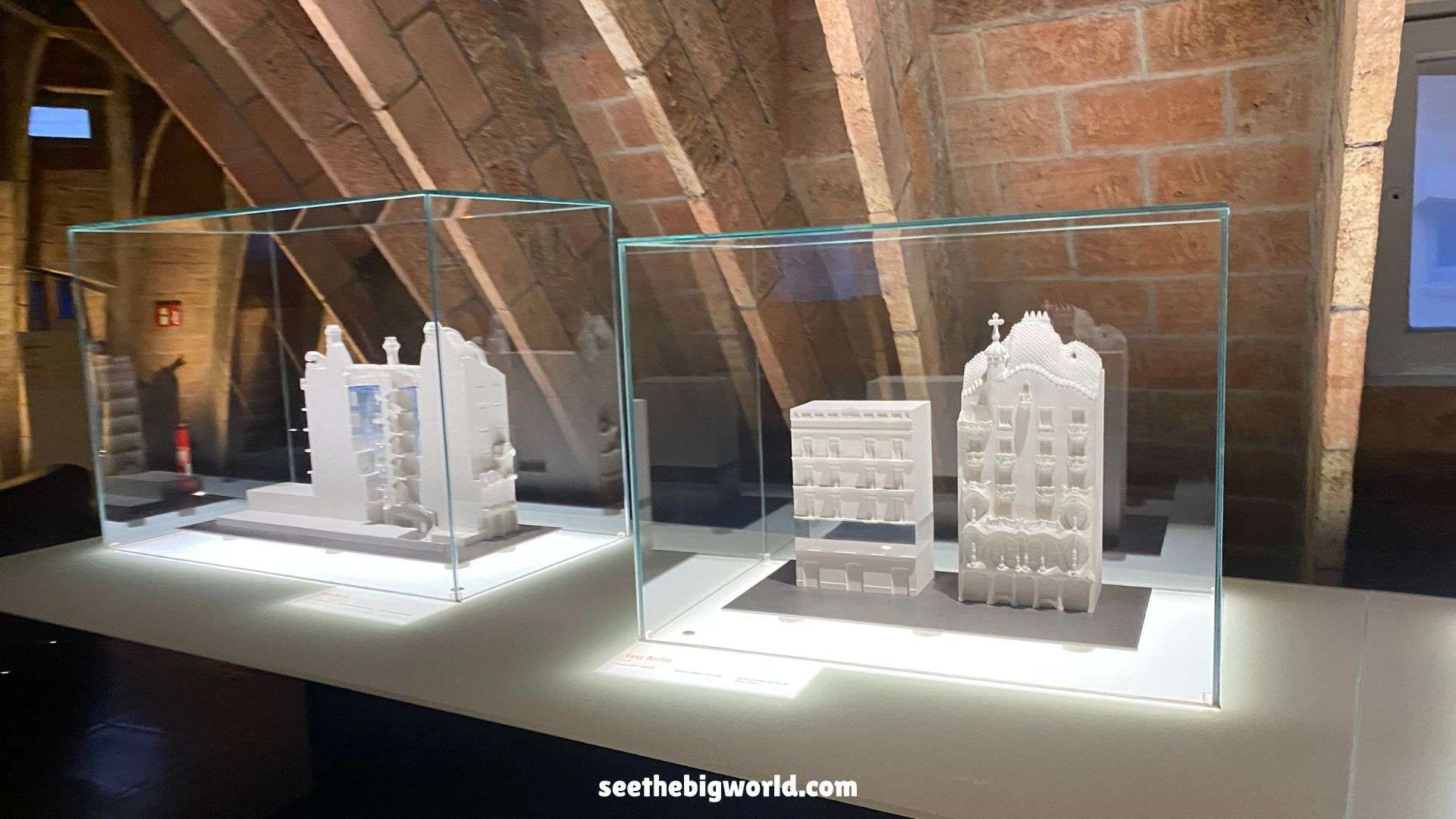
- Gaudí Museum: This area exhibits many Gaudí-designed furniture pieces, architectural models, and sources of natural inspiration (like pinecones and honeycombs). It is the best textbook for understanding Gaudí's structural mechanics.
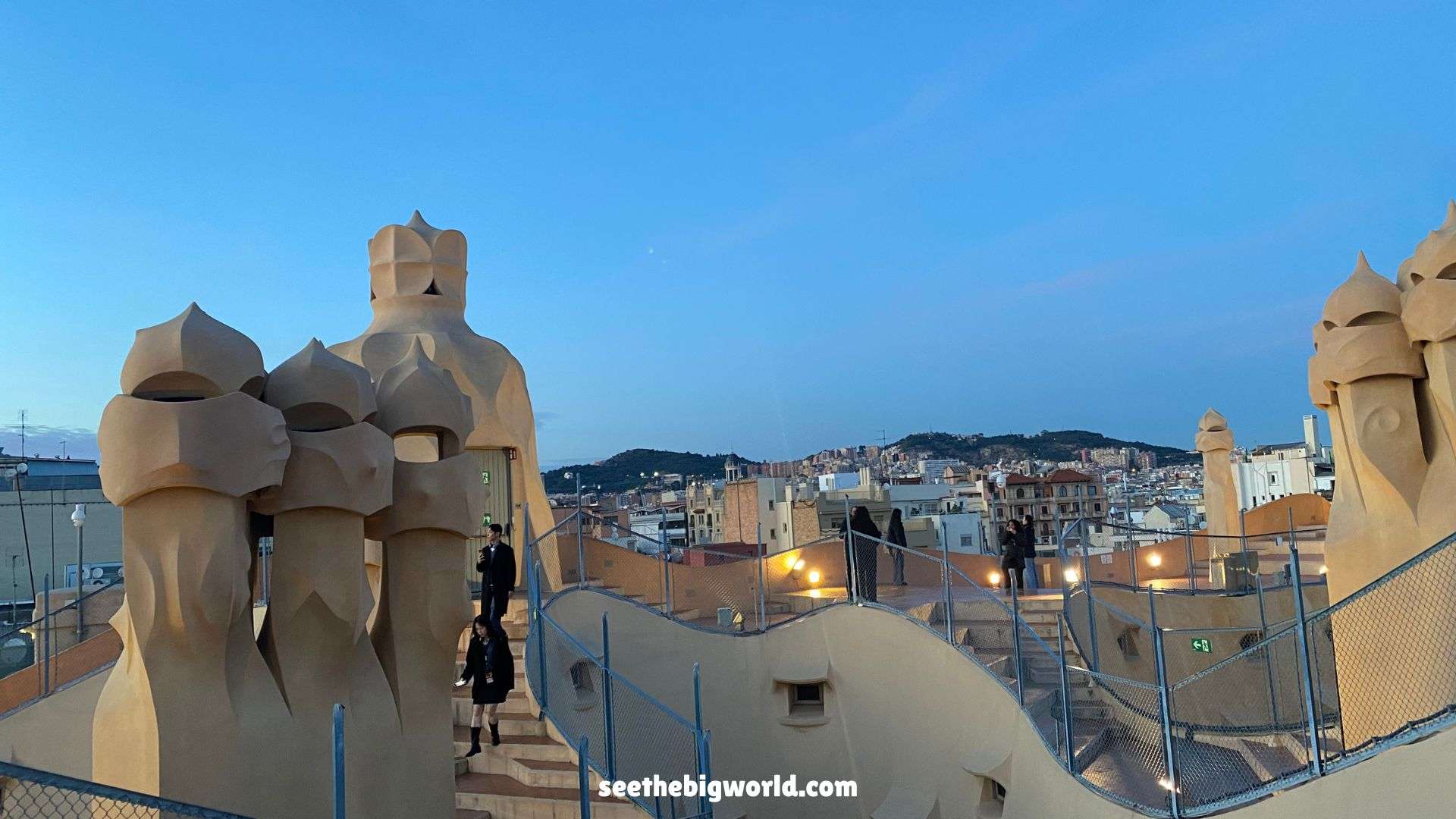
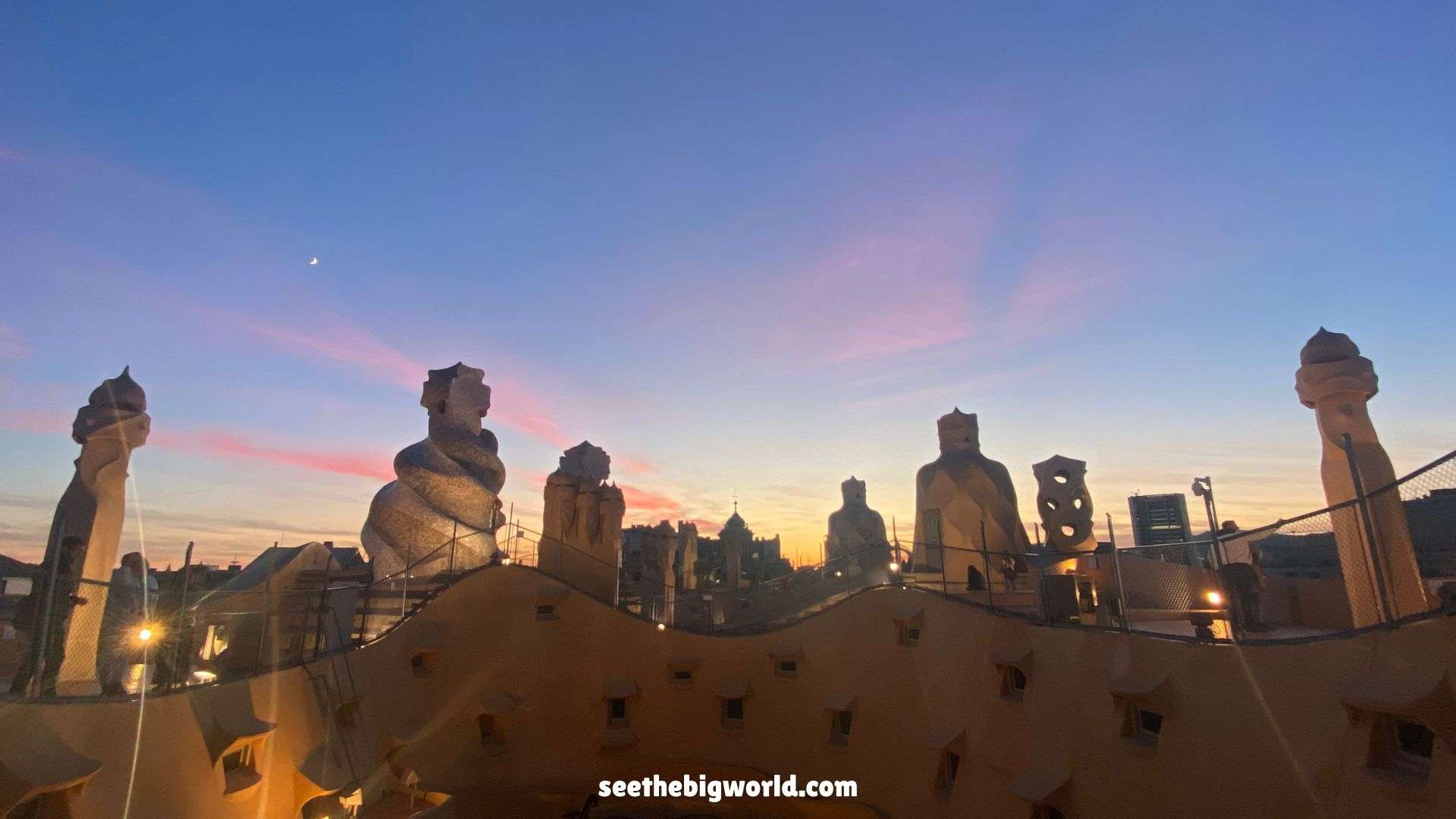
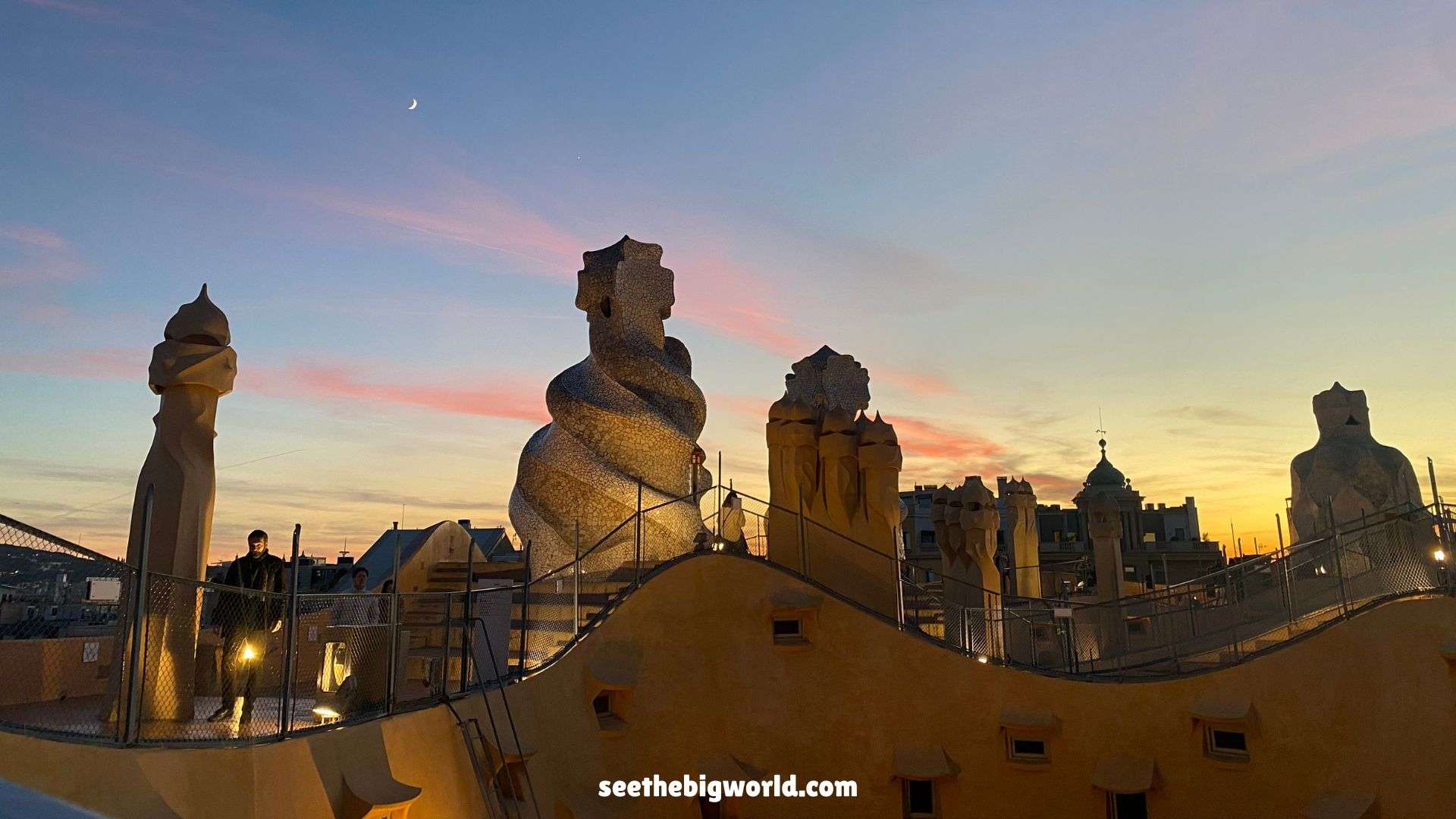
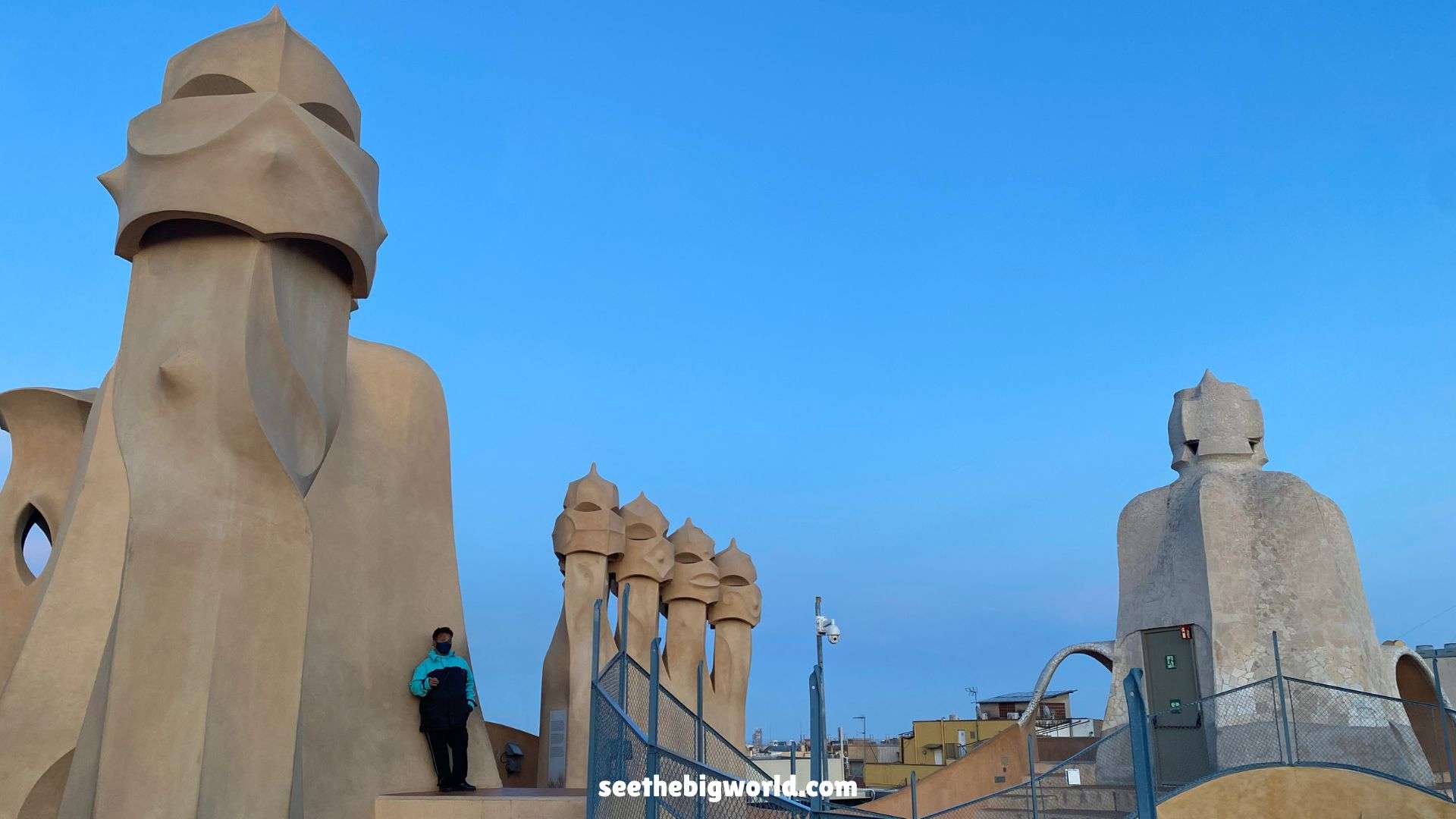
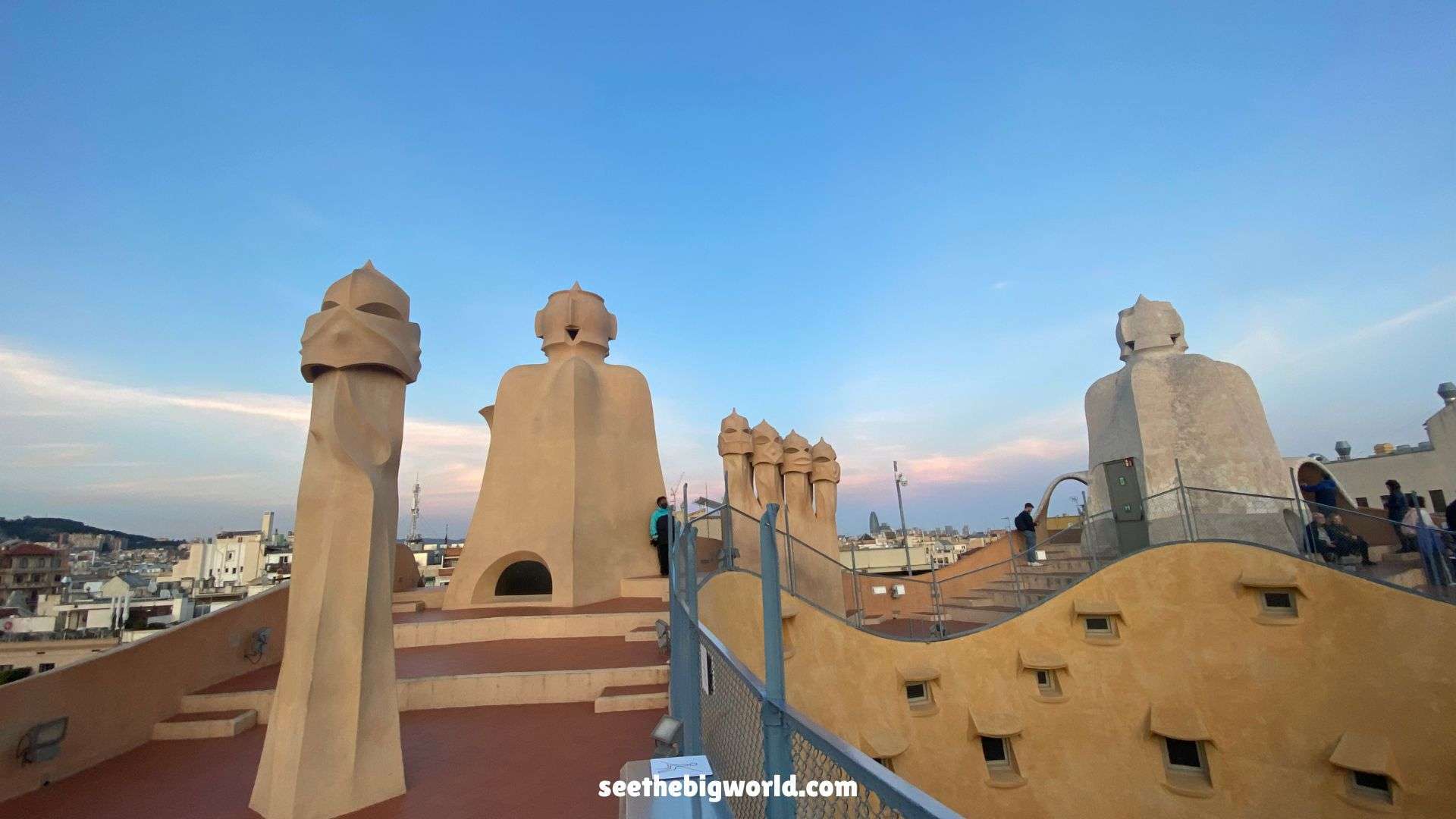
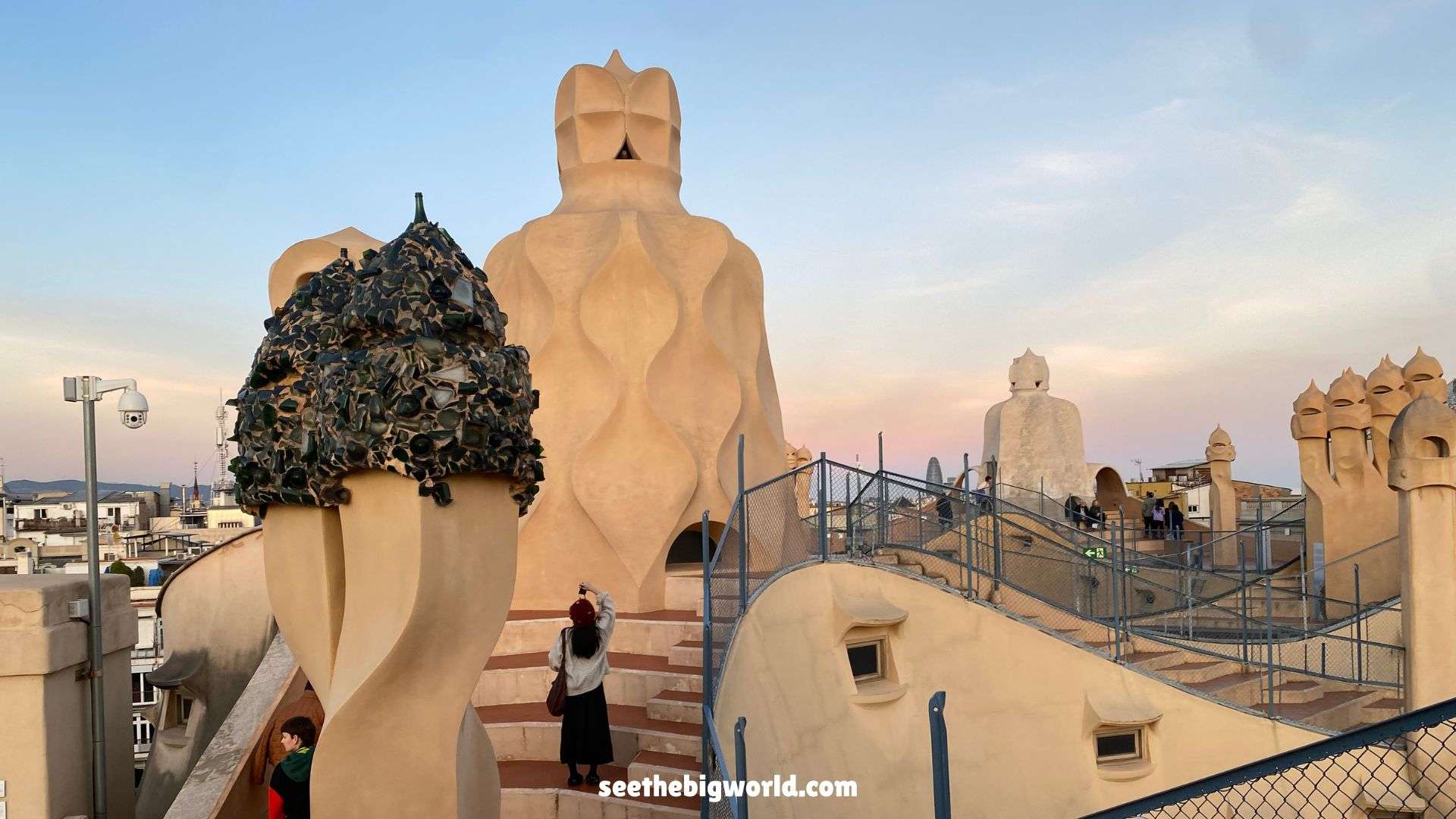
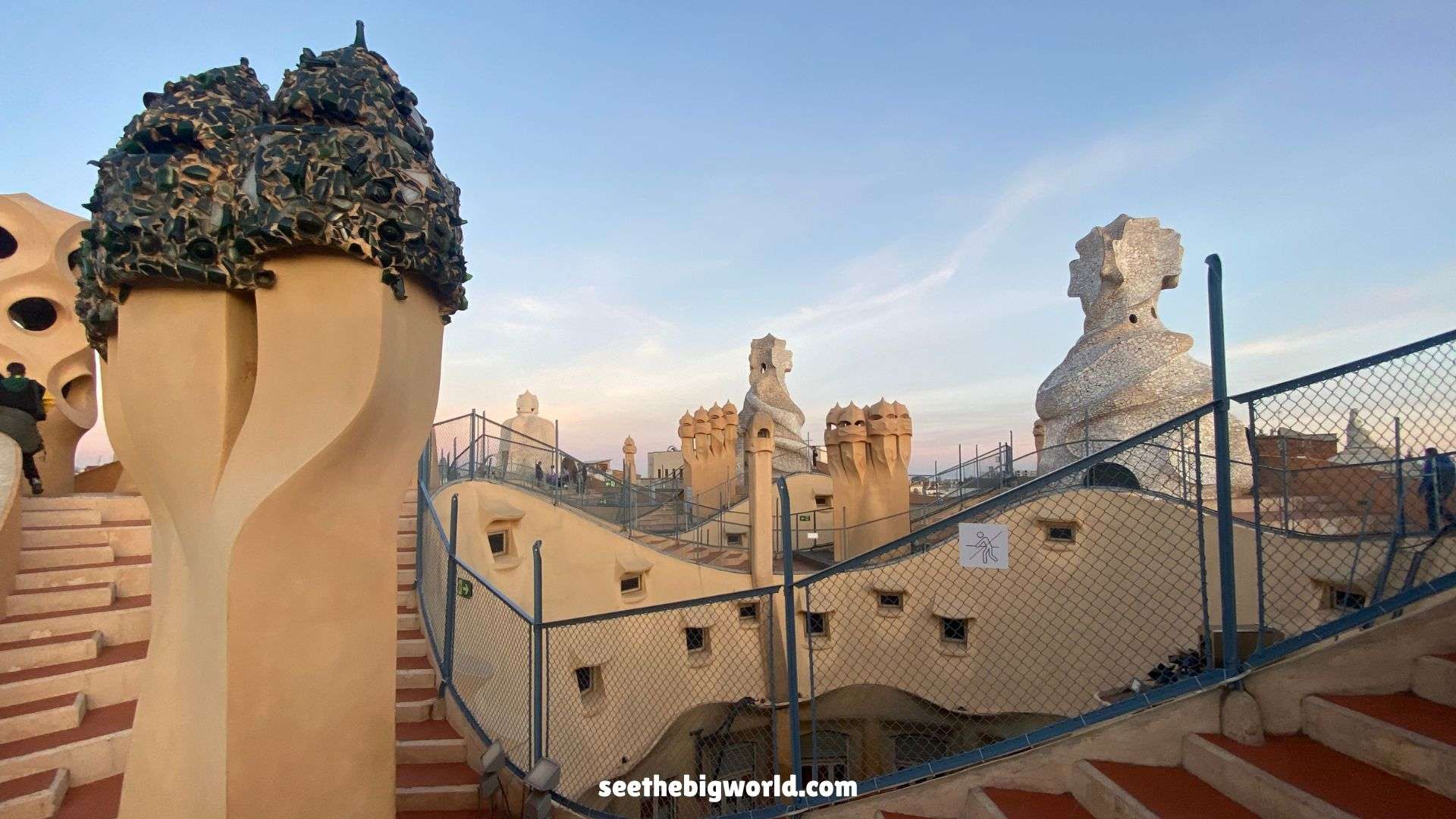
The Warrior Rooftop: An Alien Sculpture Park
This is absolutely the climax of the building and, in my opinion, the unmissable rooftop experience in Barcelona.
- Best Value Rooftop: I've visited so many "Casas" in Barcelona, and almost all of them allow rooftop access. But if I had to choose one that is the most shocking and worth the money, my vote goes to Casa Milà.
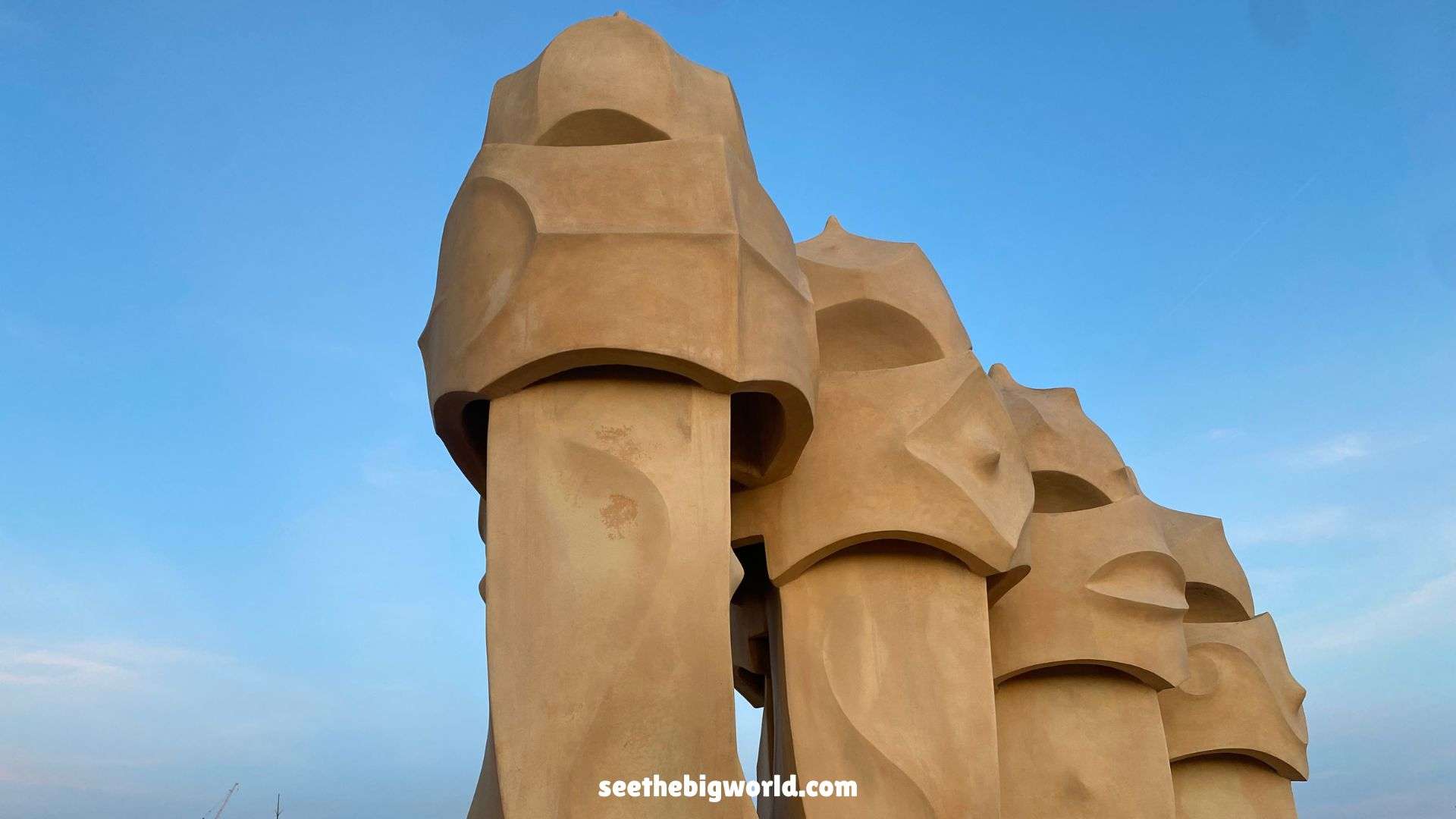
- Magical Golden Light: Besides the Christmas lights view I mentioned, the material here is perfect for sunset. When the evening glow hits the beige limestone, the entire rooftop is instantly dyed a warm golden yellow. Paired with the wavy curves, the flowing light and shadow look unearthly beautiful.
- Chimneys & Ventilators: Those strangely shaped giant stone pillars are actually chimneys and vents. Some look like medieval knights in helmets, others like twisted monsters. It's said that the design of the Stormtroopers in Star Wars was inspired by these very chimneys.
Read More
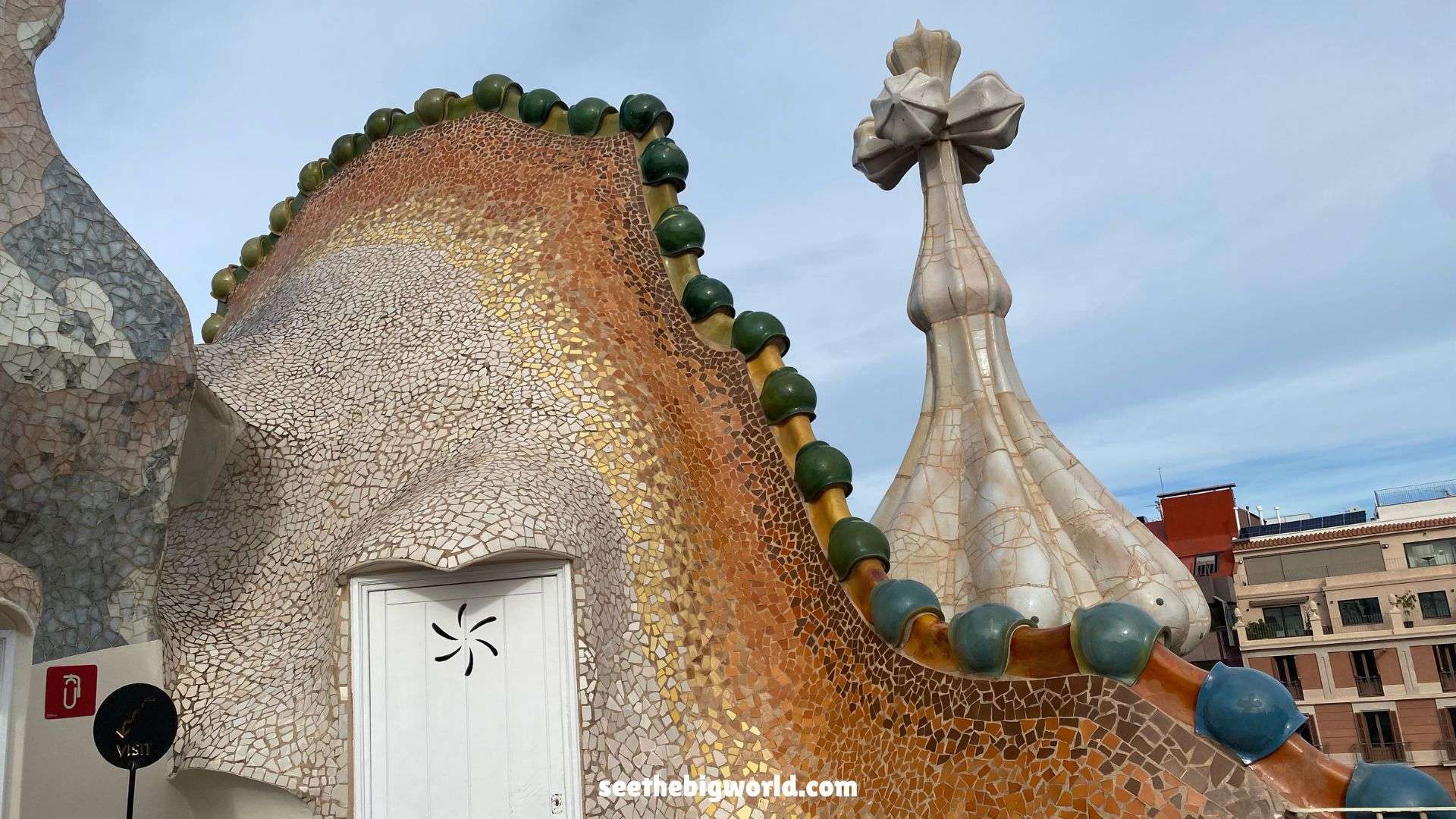
- Next Stop:Casa Batlló(5 min walk, the ocean-themed Gaudí classic)
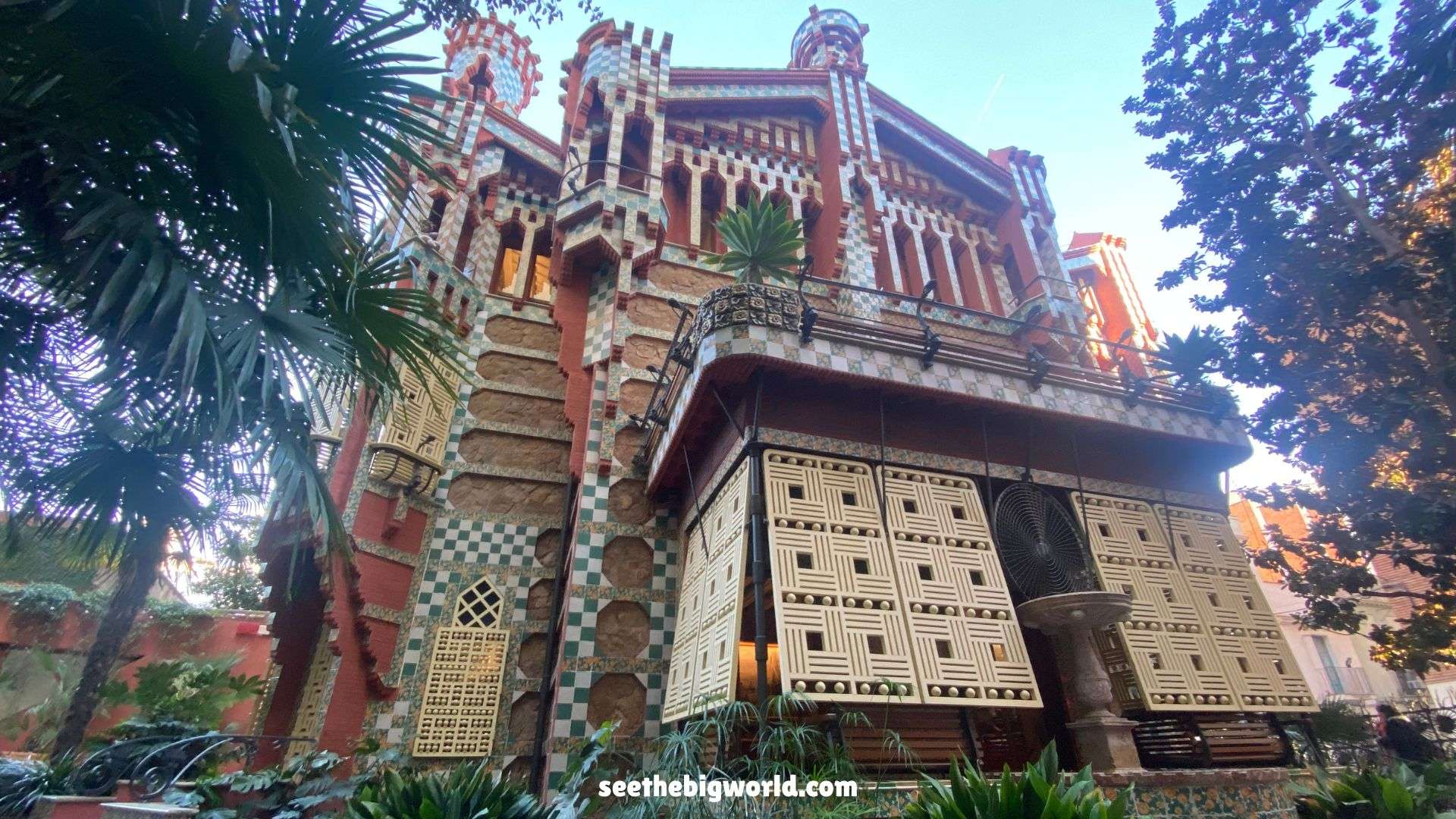
- More Gaudí:Sagrada Família|Park Güell|Casa Vicens|Palau Güell
- Planning Guides:The Ultimate Barcelona City Guide|Barcelona Transportation Guide