Updated on 17/12/2025 | Published on 16/12/2024
Casa Vicens Review - Casa Vicens is Antoni Gaudí’s first major architectural work and one of the pioneers of Catalan Modernism. It also marks the beginning of Gaudí’s successful career. If you have time, it’s highly recommended for first-time visitors to Barcelona. This article provides an overview of Casa Vicens’ historical background, must-see highlights, best visiting times, ticket information, and transportation tips to help you plan your trip to Barcelona with ease.
Casa Vicens Fast Facts
- How to Get There:Take Metro L3 (Green) to Fontana station, then walk for about 7 minutes; or a 20-minute walk (downhill) from Park Güell.
- Opening Hours:Opens daily at 09:30. Summer (Apr-Oct) until 20:00, Winter (Nov-Mar) until 18:00.
- How Long to Spent:Approx. 1 hour (Highly recommended to visit after Park Güell).
- Tickets:Check latest prices & booking options
- General Admission: Includes audio guide, access to the garden, all floors, and the roof.
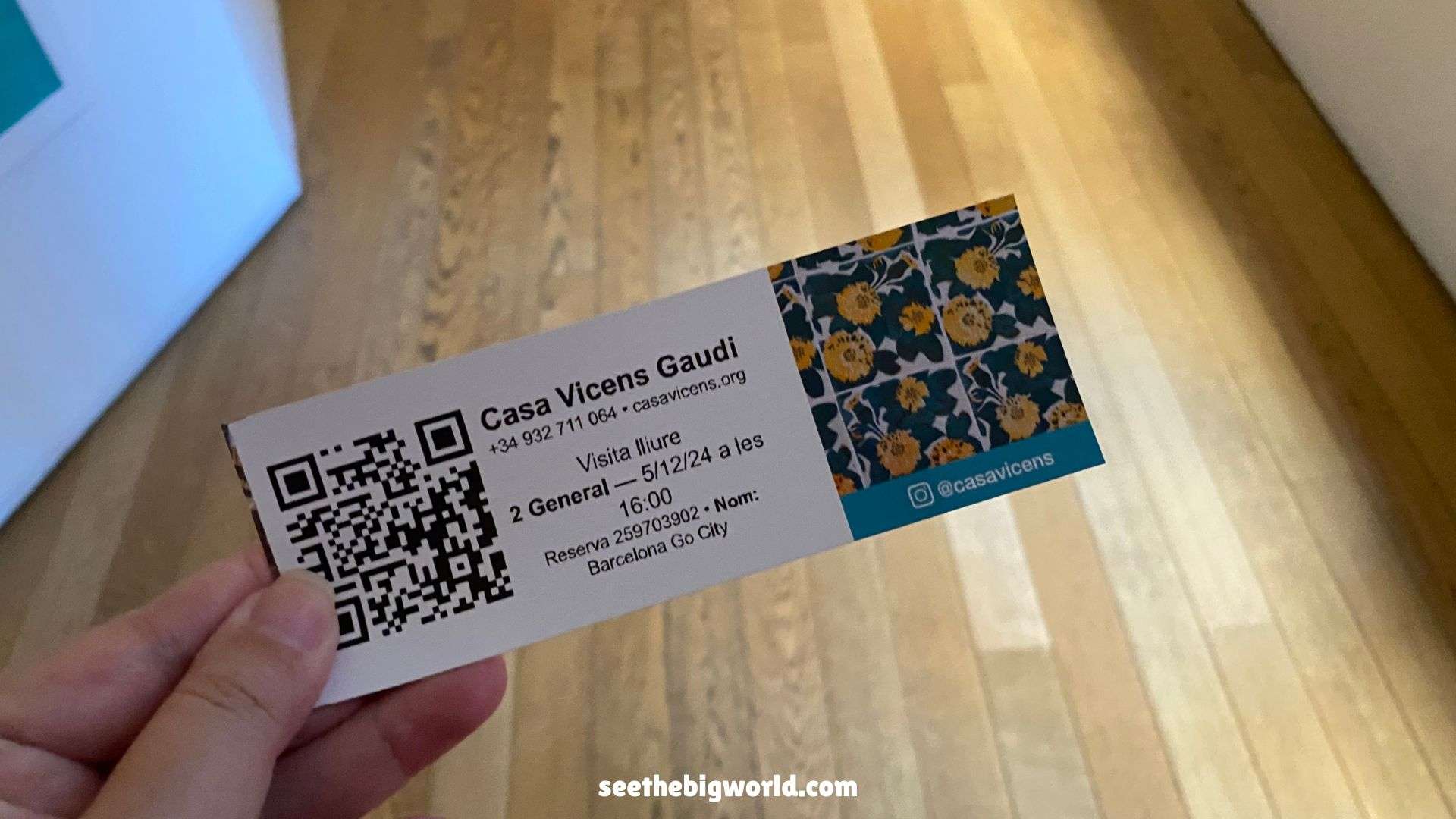
- Free Entry with Go City Barcelona Pass
The Story of Casa Vicens: Gaudí's Beginning & Oriental Fantasy
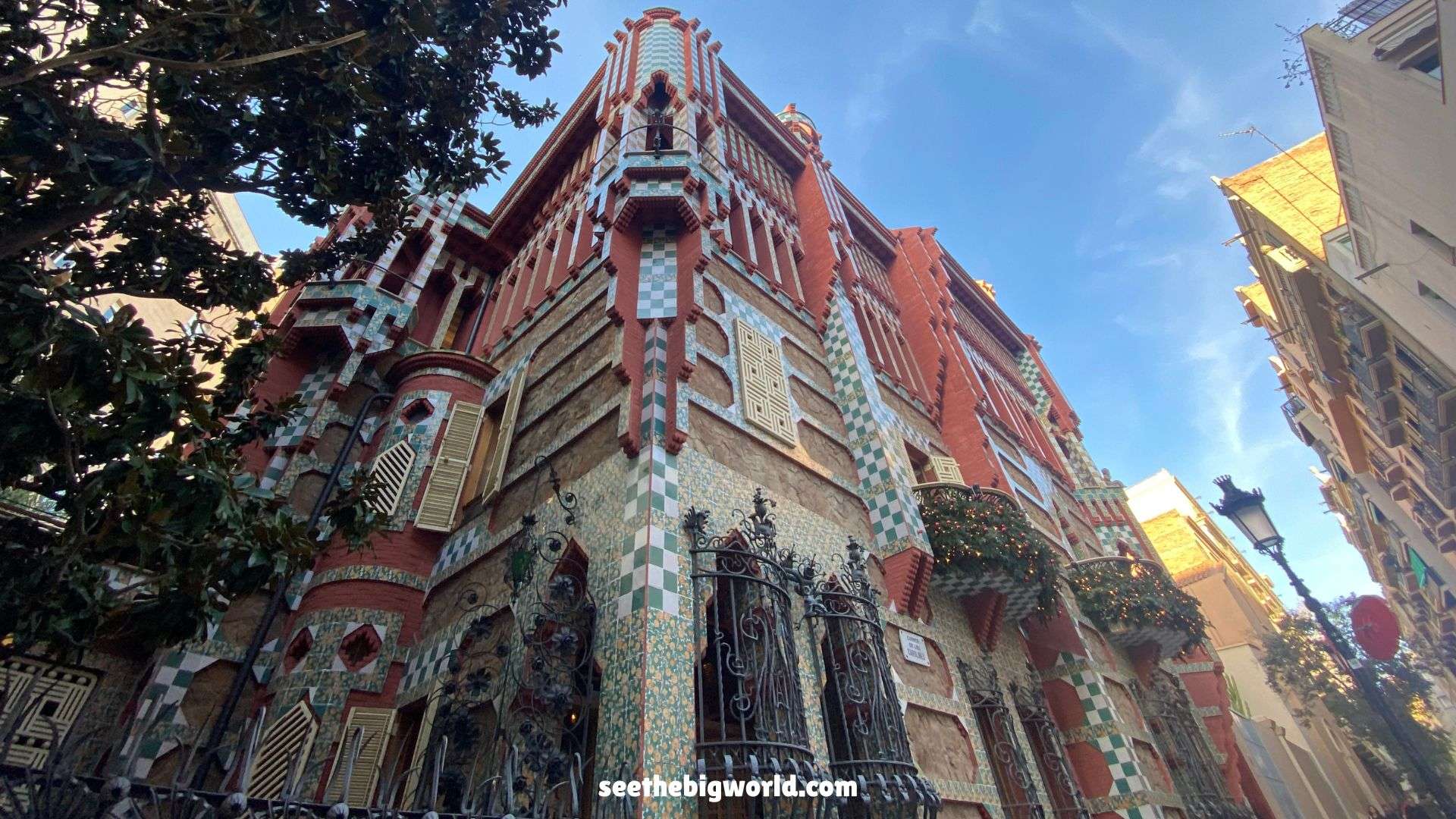
Casa Vicens (1883-1885) is Antoni Gaudí’s first significant architectural work, located in the Gràcia district of Barcelona. The building combines Gaudí’s early design style with elements of Mudejar (a Moorish style), Modernism, Eastern influences, and Naturalism. It is one of the pioneers of Catalan Modernist architecture and marks the beginning of Gaudí’s successful career. In 2005, Casa Vicens was added to the UNESCO World Heritage list.
A Tile Merchant's Summer Villa: Breaking Traditions with Orientalism
Casa Vicens was initially commissioned by the wealthy tile merchant Manuel Vicens as his private summer residence. Gaudí incorporated numerous colourful ceramic tile decorations in the design, inspired by natural forms like palm leaves, paying tribute to local plants while reflecting the client’s professional background.
This building is a representative work from Gaudí’s Orientalist period (1883-1888), during which he was greatly influenced by Indian, Persian, and Japanese art, creating designs with a strong exotic flair. Casa Vicens adopts a Neo-Moorish architectural style, blending vibrant colours, geometric patterns, and exotic decorations that broke away from traditional architectural norms, showcasing Gaudí’s exploration of innovative design.
When completed, the building’s groundbreaking style caused a stir locally and became one of the landmarks of the rise of Catalan Modernism. The original design included a large garden, but over time, surrounding land was sold off for residential development, leaving only the main structure intact.
Casa Vicens Review: Is It Worth It? Route Planning & Highlights
Many ask: if I'm already visiting Casa Batlló and Casa Milà, is it necessary to see the lesser-known Casa Vicens? My answer is a resounding yes, and I give it a full 5-star recommendation. Lacking the hustle and bustle of the main tourist areas, it holds Gaudí's purest, youngest ambition. If you have a Go City Pass, this is a high-value, must-visit spot.
Trip Planning: The Perfect Stroll After Park Güell
Casa Vicens is located in the Gràcia district, a bit of a distance from the city centre, so making a special trip might feel like a detour. My recommended 'Golden Route' is:
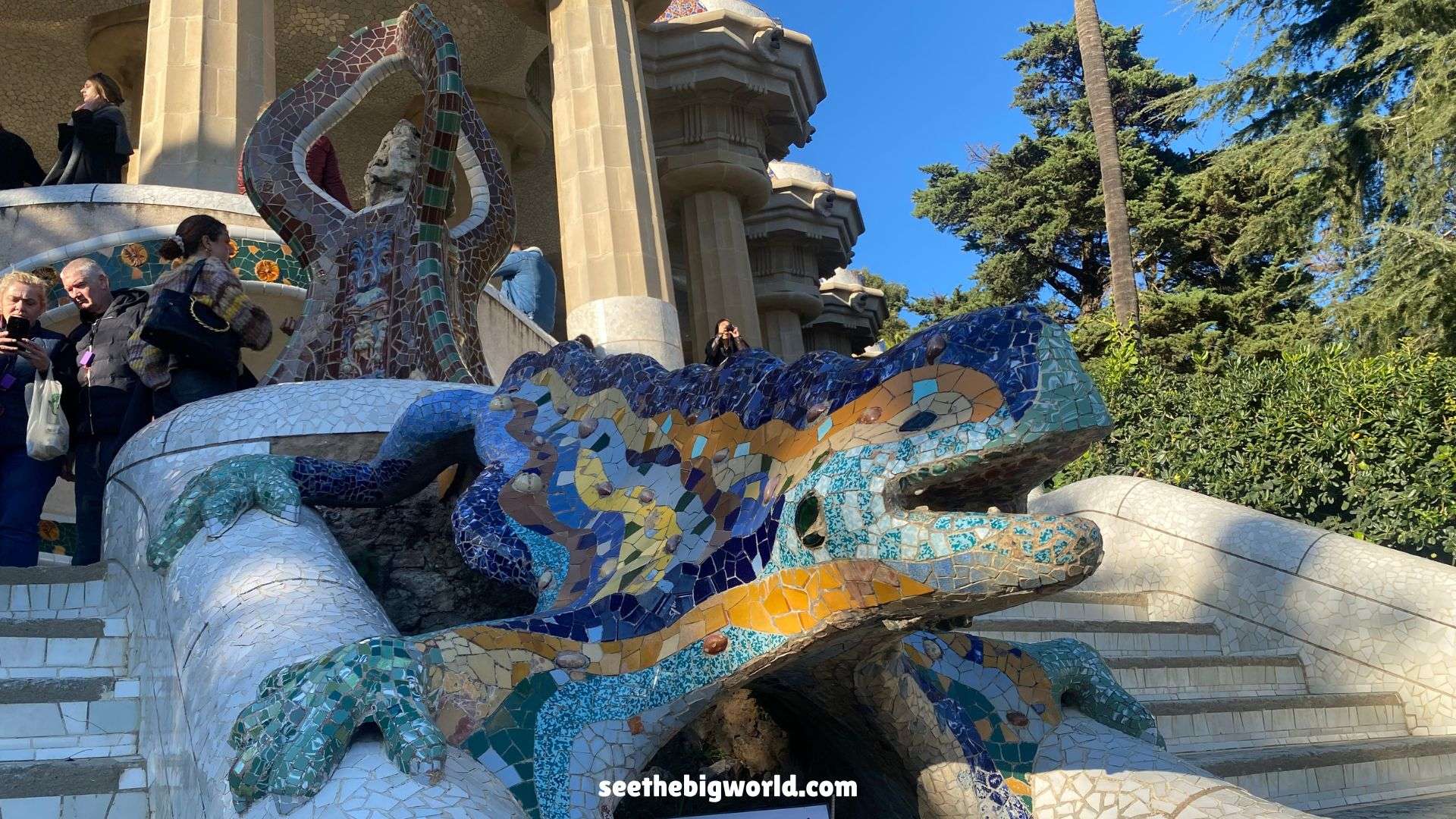
- Hill First, Then Downhill: Visit Park Güell in the morning, then take a leisurely 20-minute walk downhill to reach Casa Vicens.
- Afternoon in Gràcia: After visiting Casa Vicens, it's the perfect time to find a café or bistro in the relaxed Gràcia district. This area is a favourite among local Barcelona hipsters—less crowded with tourists, and rich in local character.
Visiting Route & Must-See Highlights
As Gaudí's first major work, you will find fewer of his later signature 'curves' here; instead, it is full of straight geometry and strong Oriental Islamic flair. Here are a few details you shouldn't miss:
1. Exterior Design
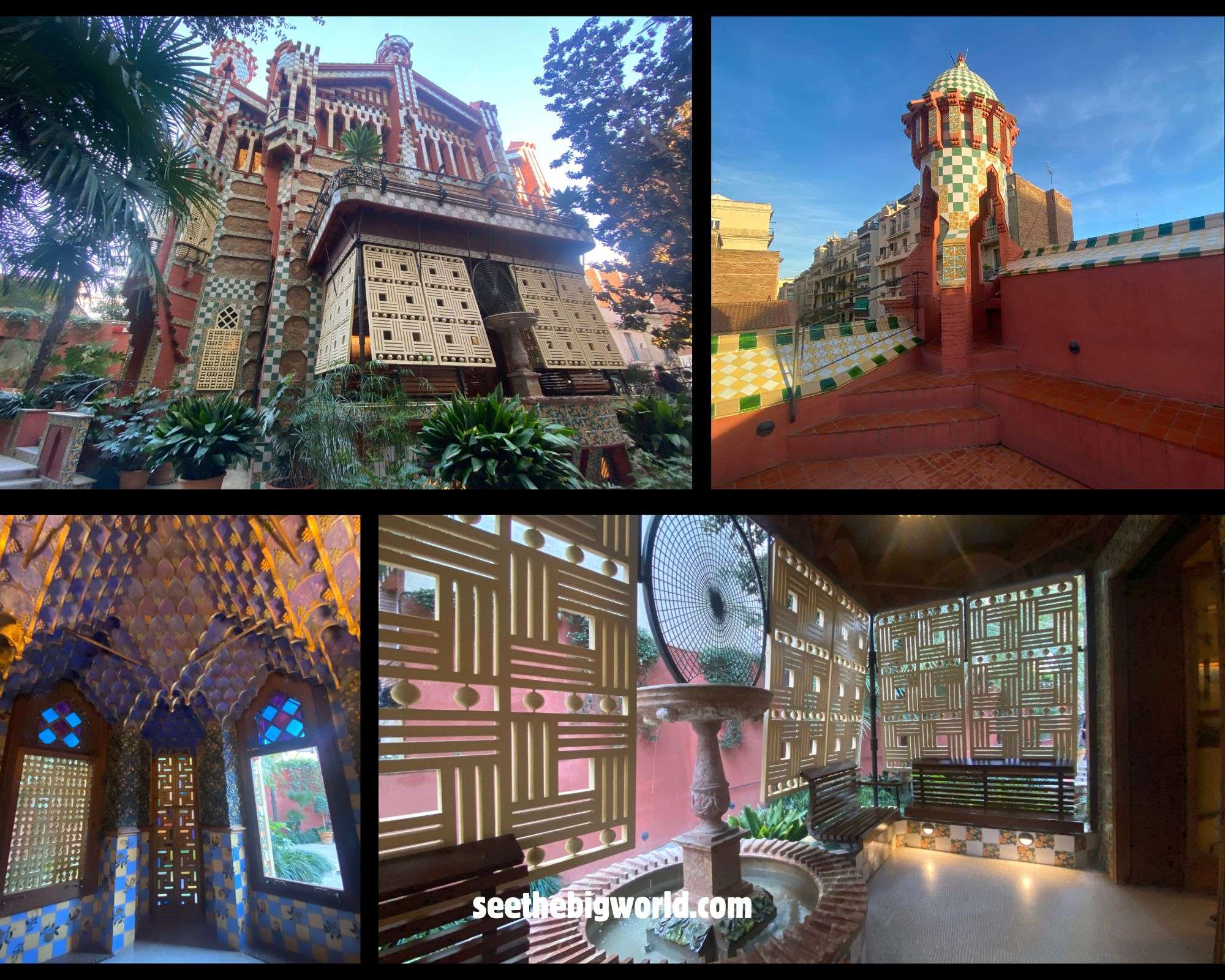
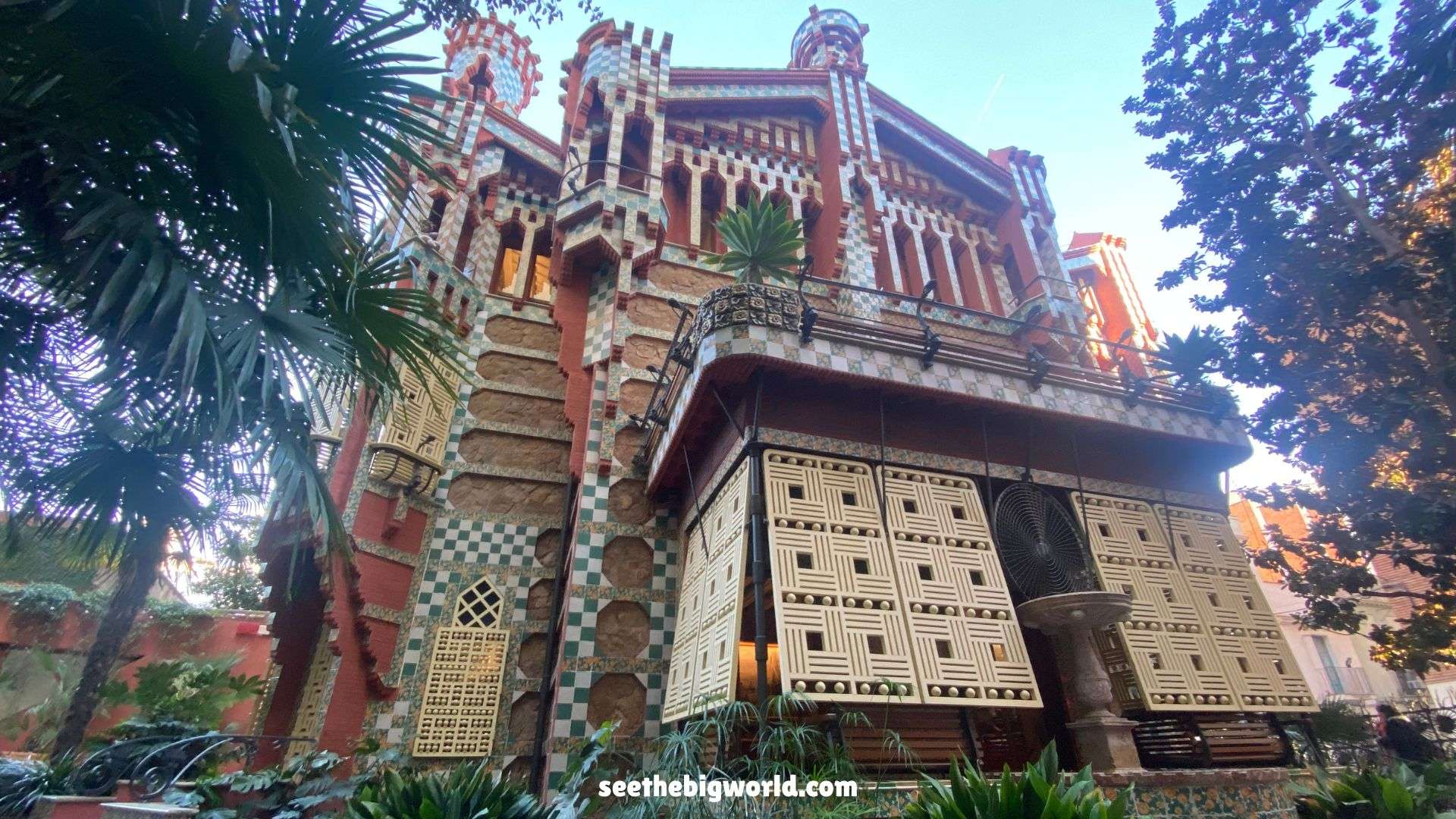
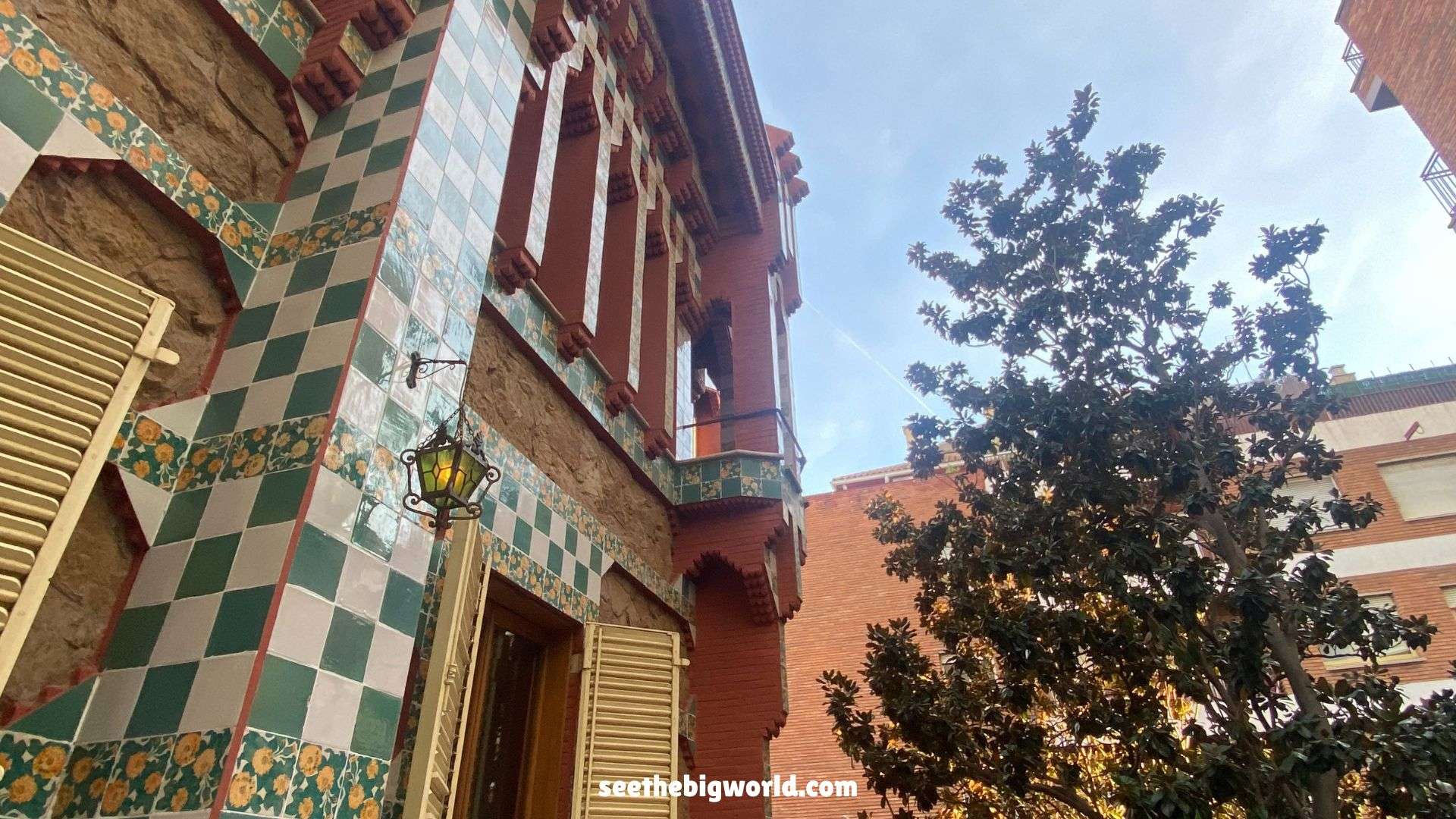
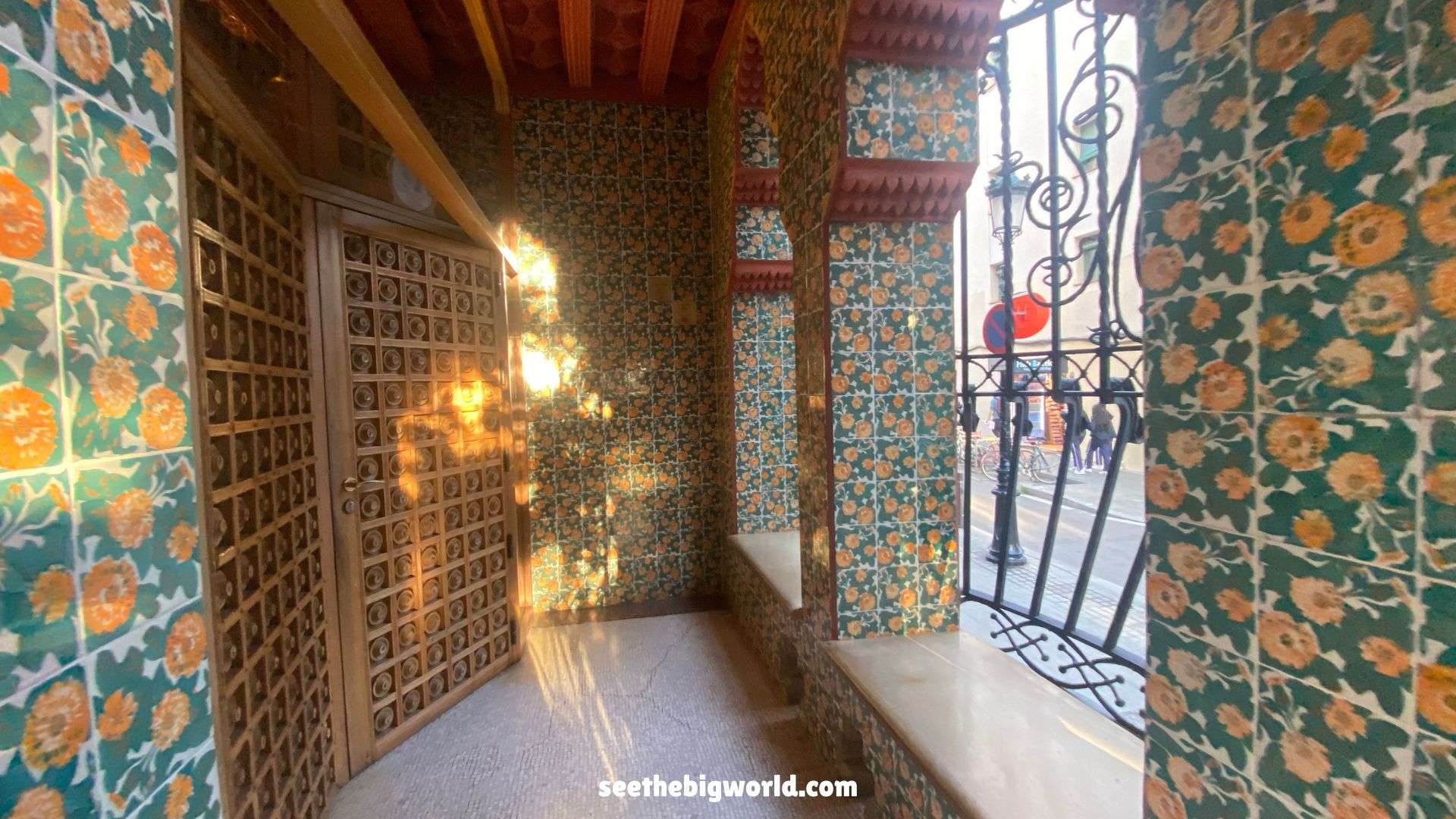
The facade of Casa Vicens is vibrant, featuring colourful tiles and geometric patterns that create an exotic visual effect, showcasing Gaudí’s early creative style.
2. Garden Design
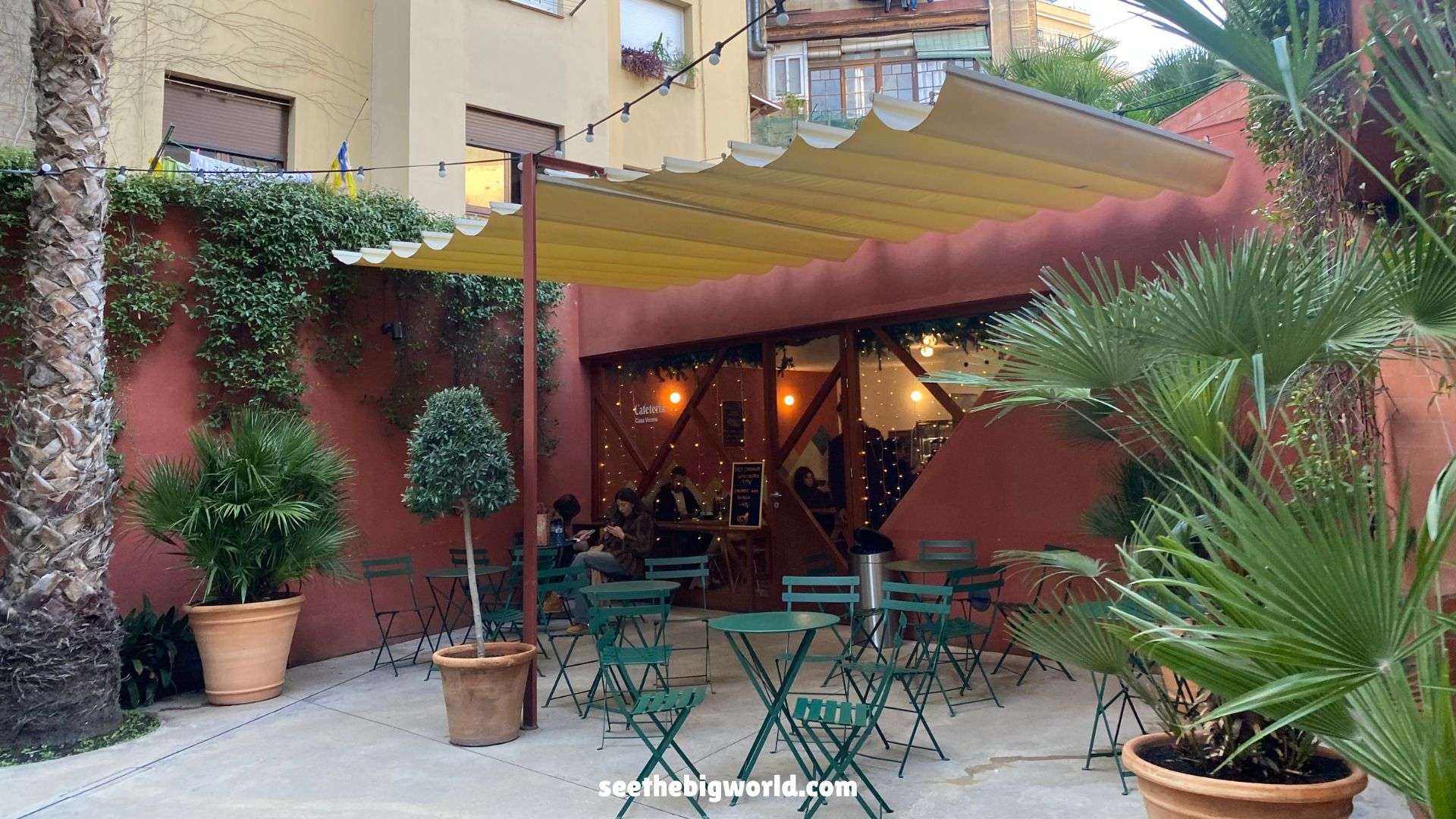
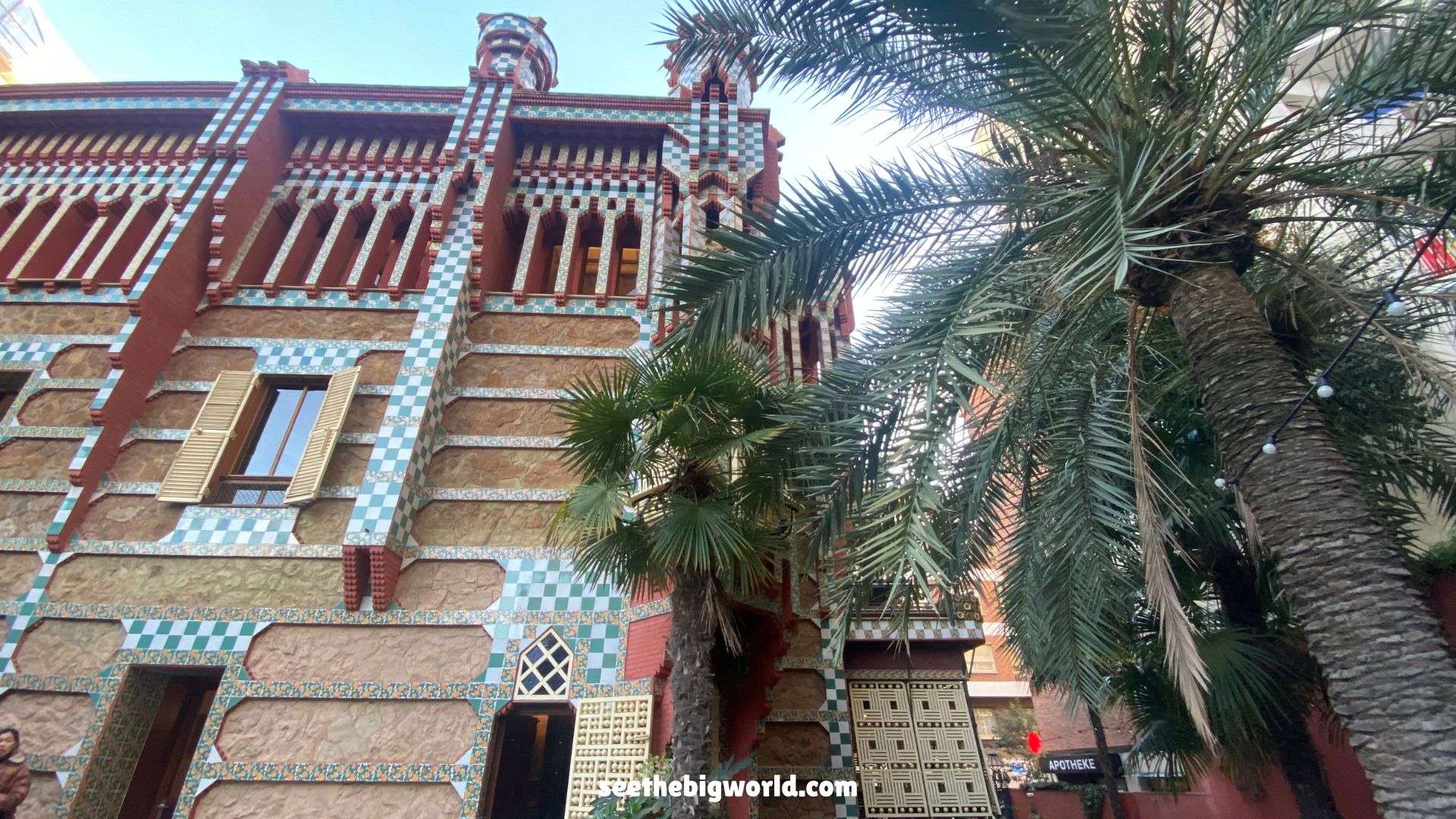
Although the garden space has been significantly reduced today, it is still possible to glimpse Gaudí’s thoughtful integration of natural elements into the design, reflecting his enduring style of harmony with nature.
3. Terrace Inside
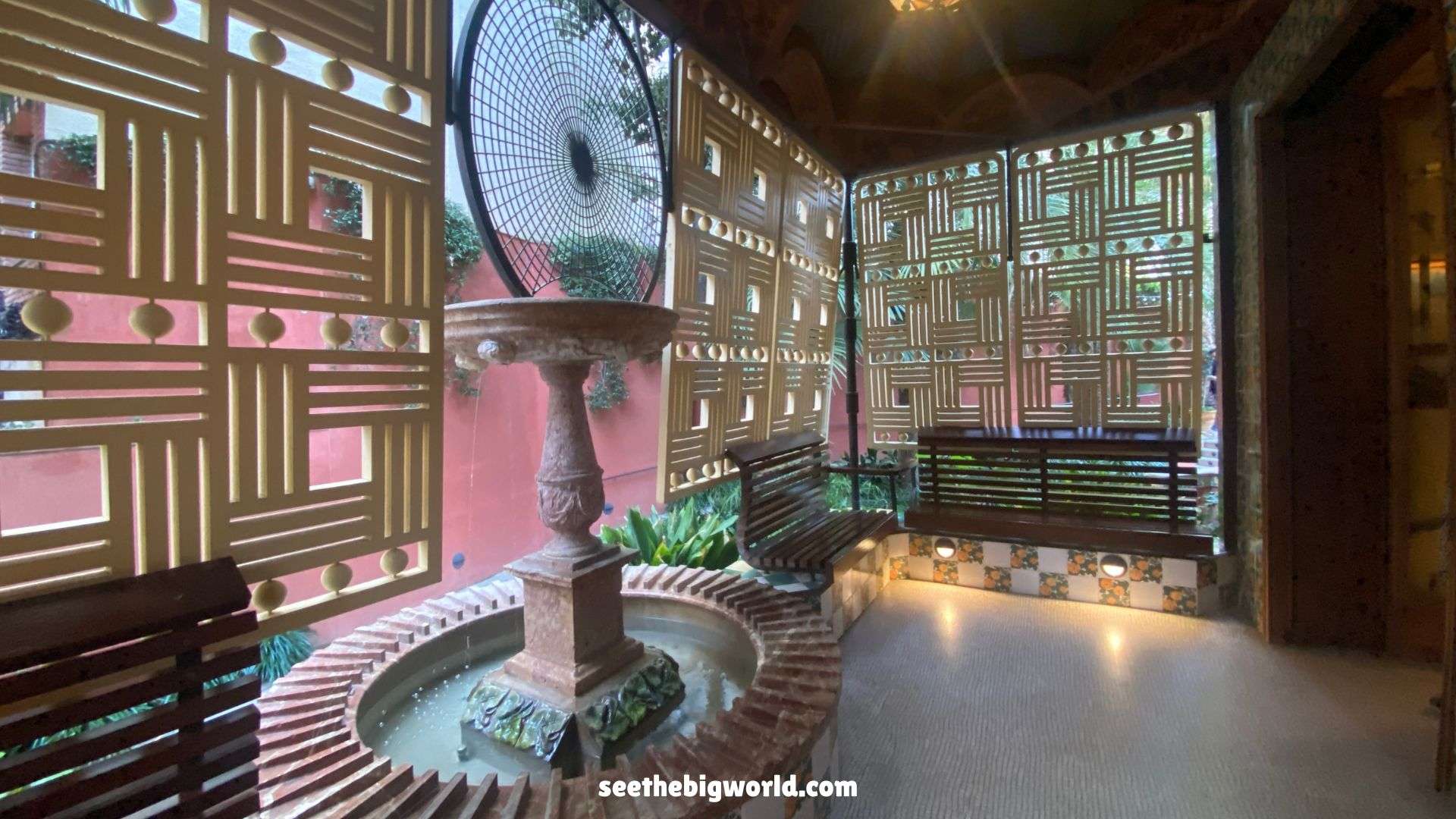
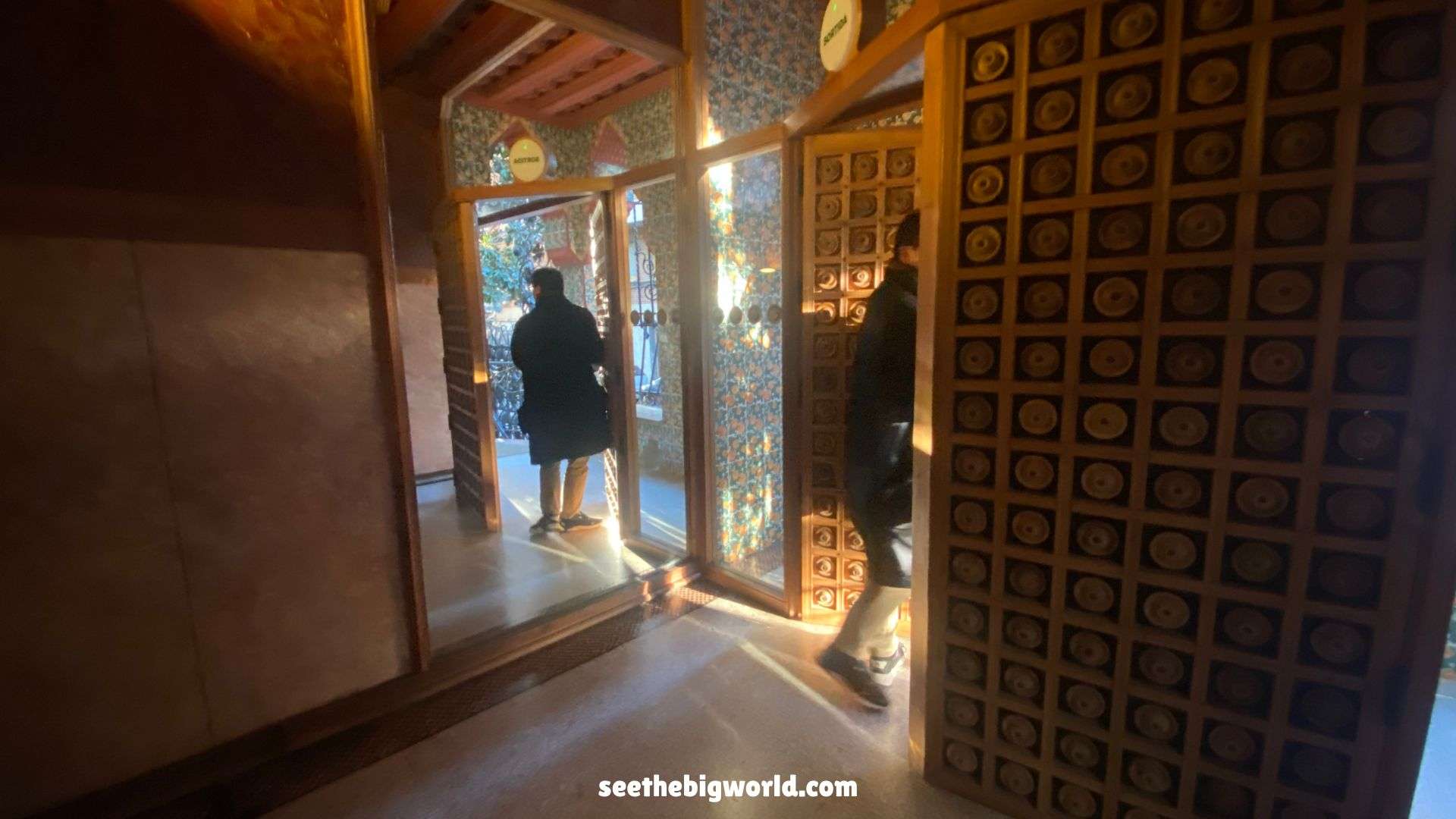
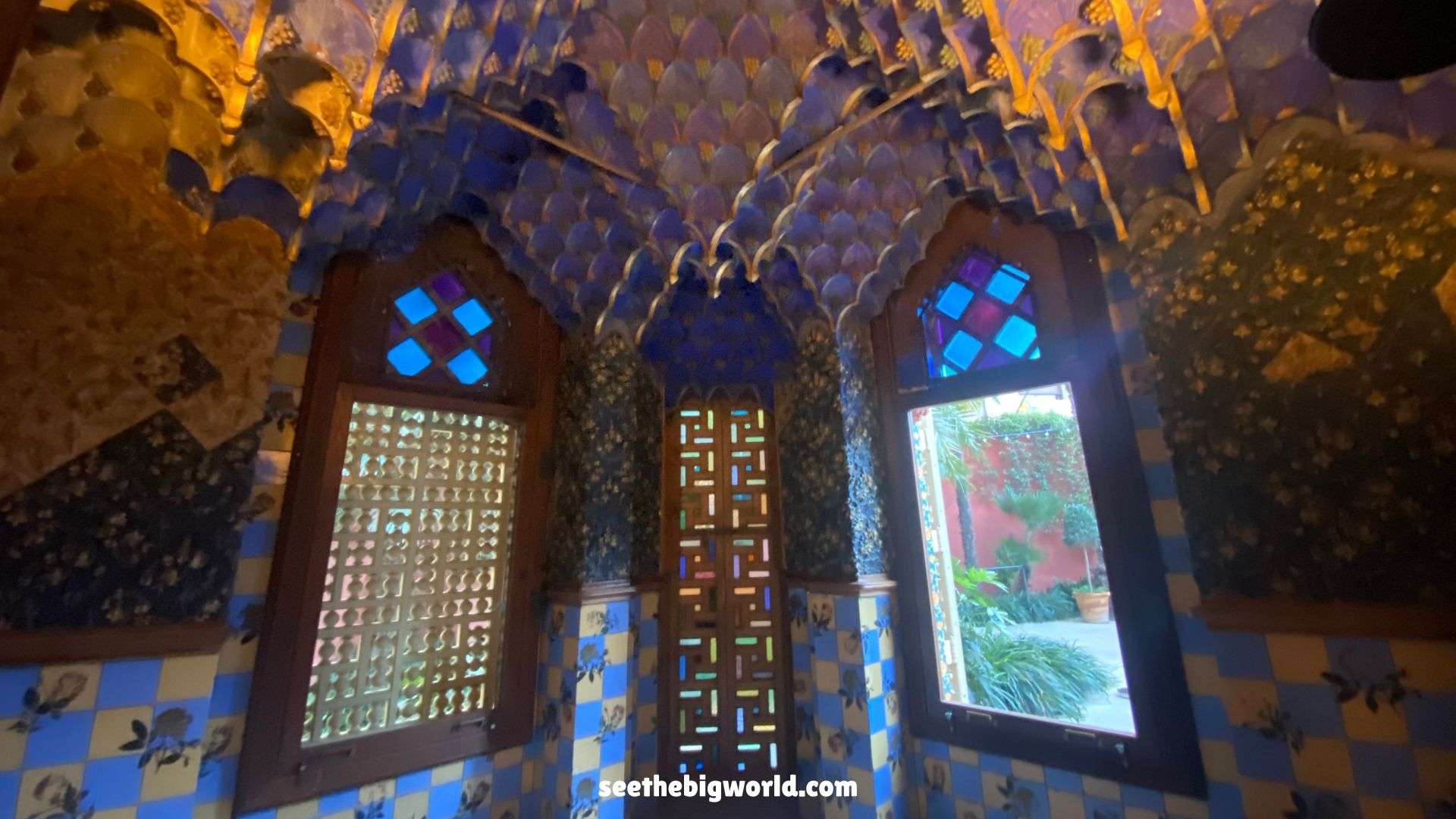
The terrace features a unique design, surrounding a small fountain that creates a serene atmosphere throughout the space. The walls of the terrace are adorned with exquisite geometric patterns made of wood and ceramic materials, showcasing Gaudí’s exploration of natural elements and symmetrical aesthetics. The terrace also has benches, providing a relaxing space where visitors can quietly enjoy the surrounding views. The entire design cleverly blends natural elements with modern architectural styles, creating a harmonious and artistic space.
4. Interior Decoration
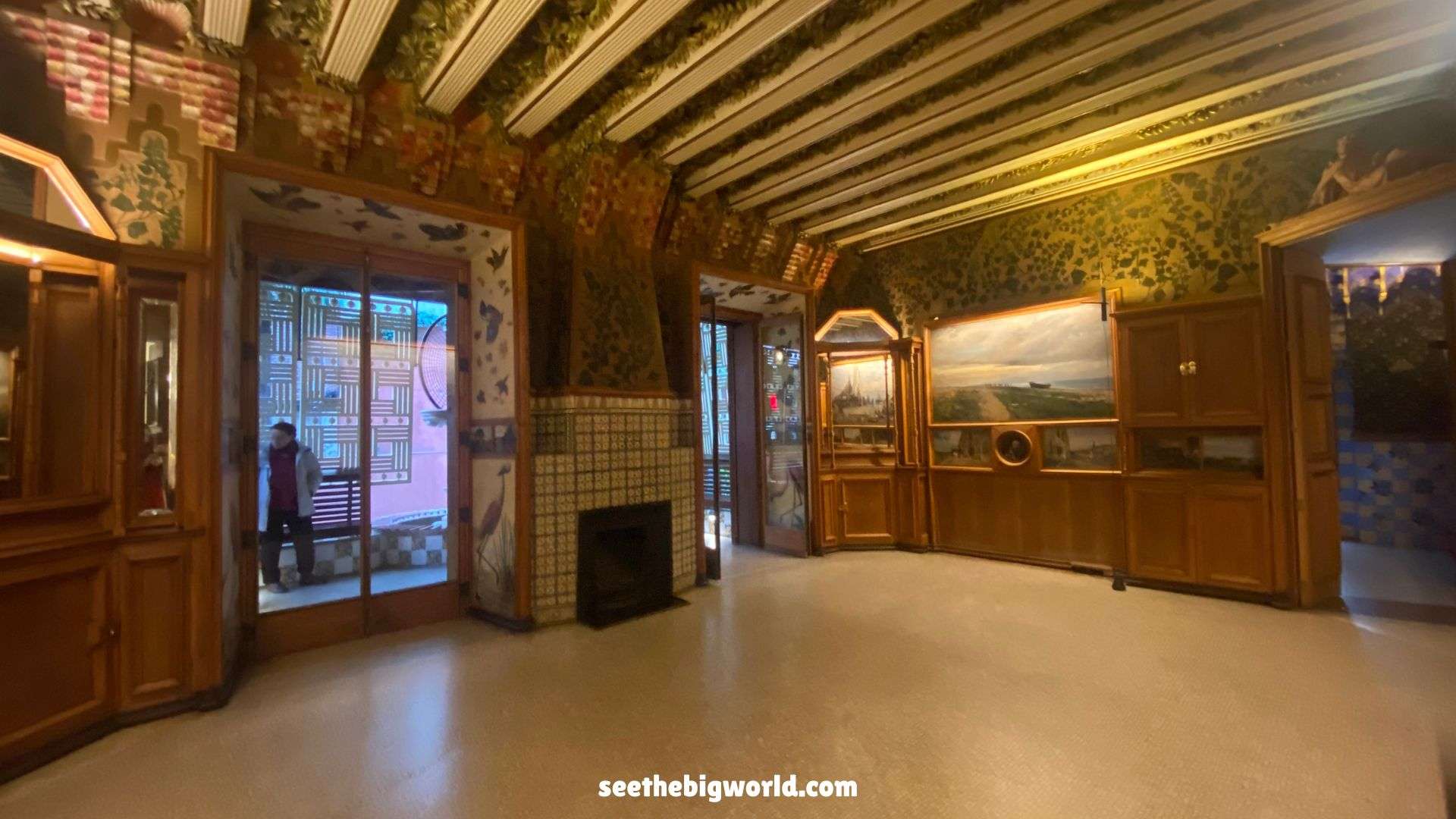
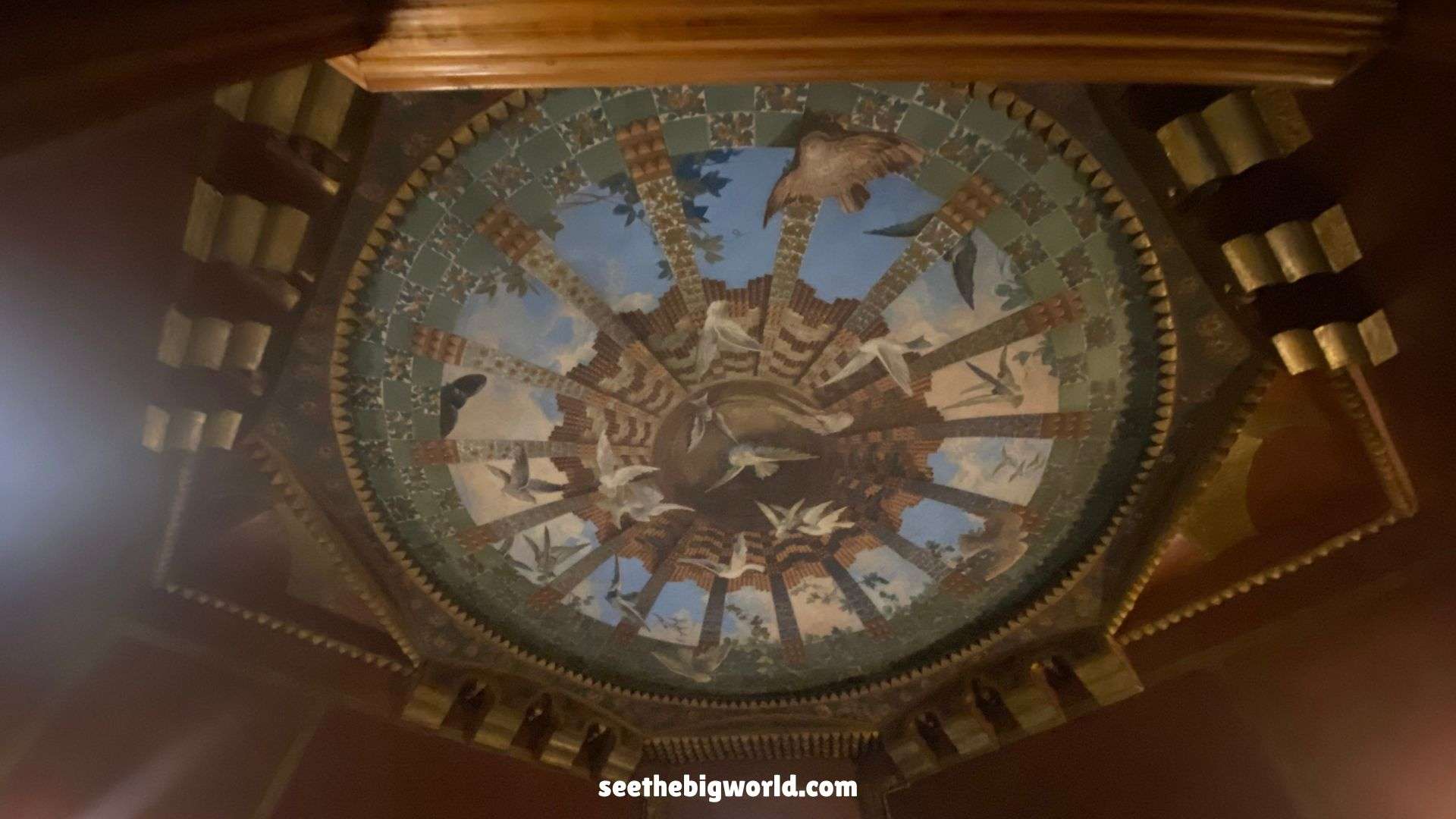
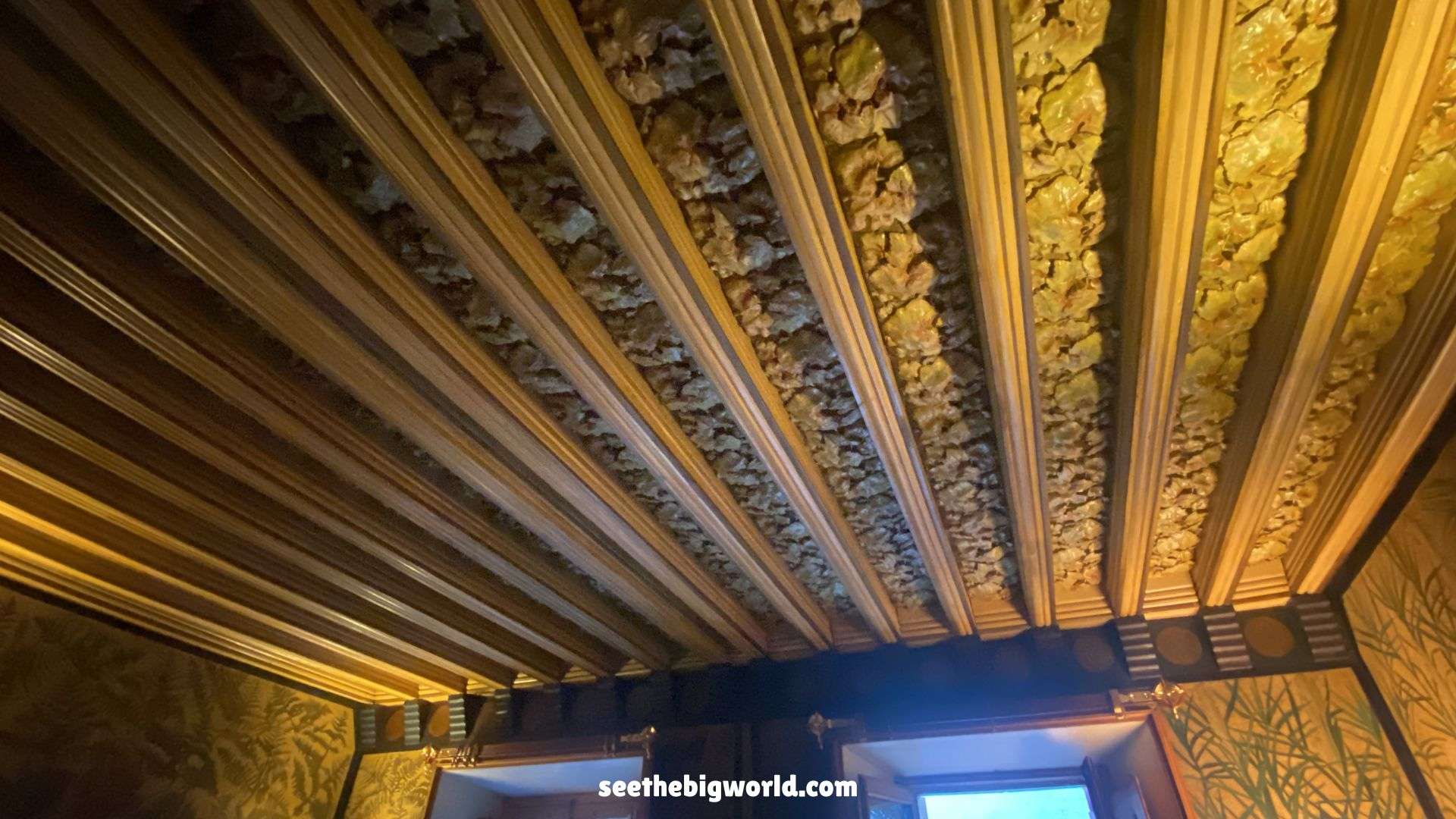
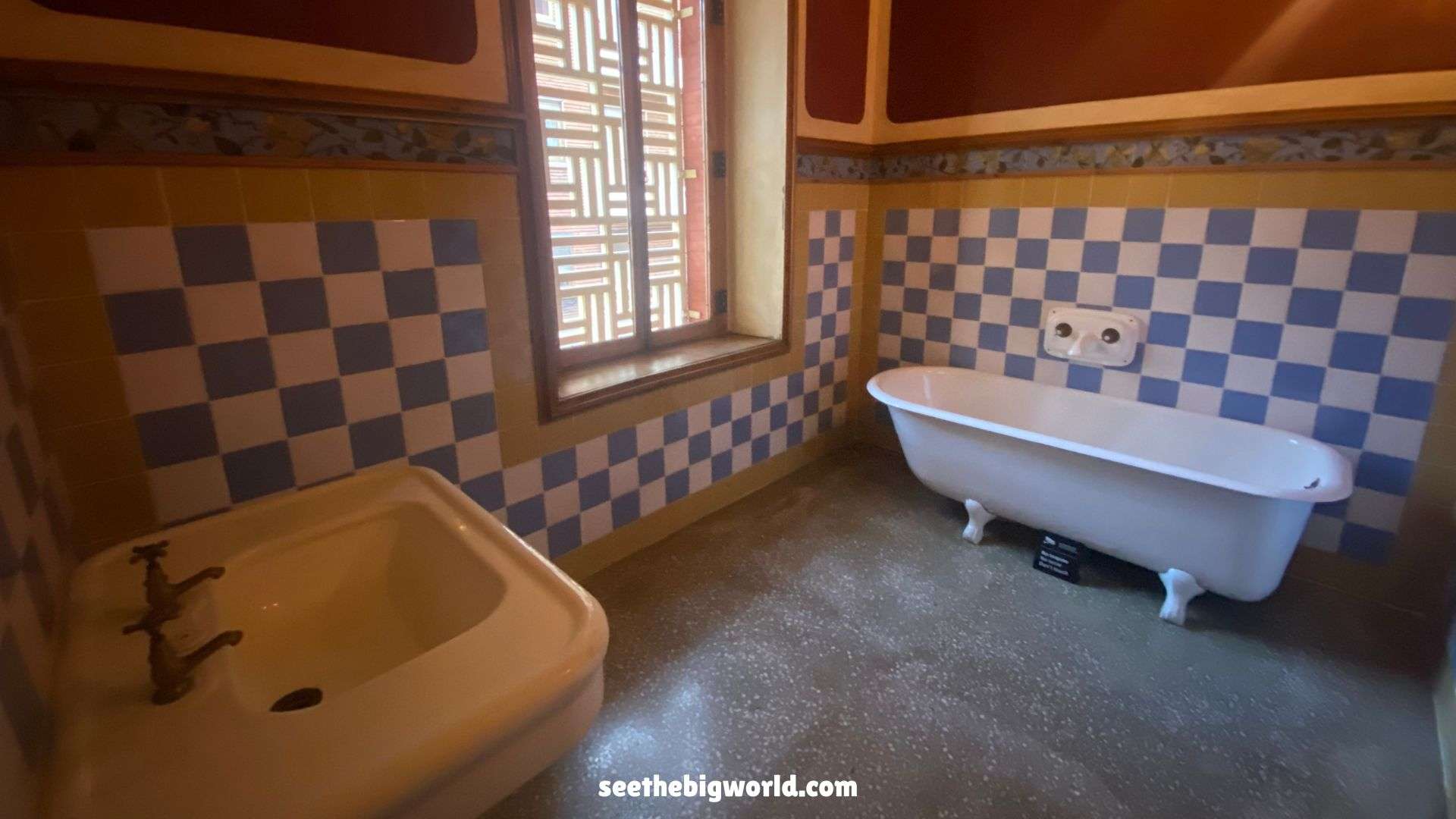
The wooden carvings on the ceiling and the hand-painted murals on the walls are centred around delicate natural themes, perfectly blending art and functionality to create a unique indoor aesthetic. The leaf motifs on the ceiling and the surrounding bird murals reflect Gaudí’s emphasis on the harmonious relationship between nature and architecture.
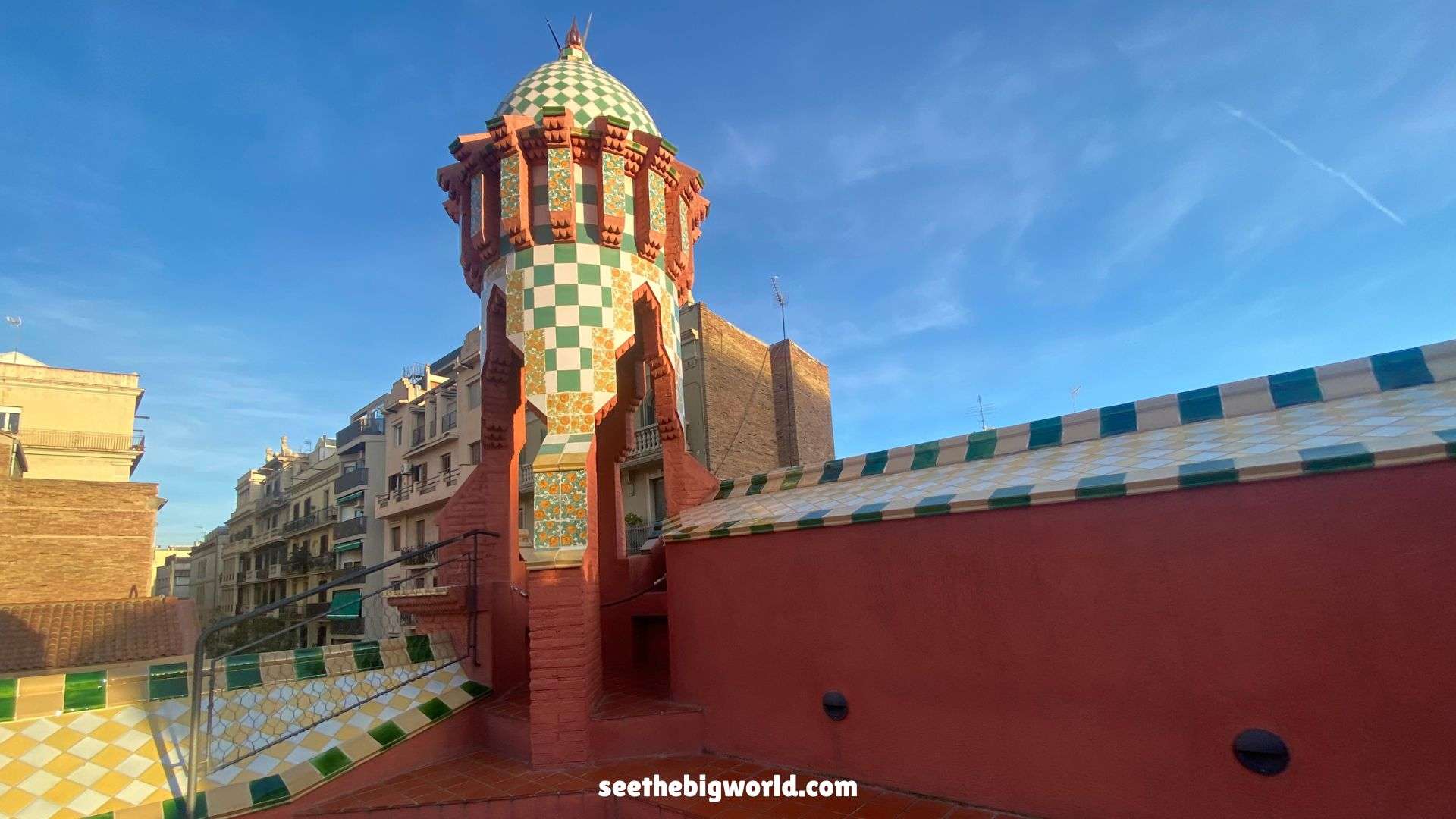
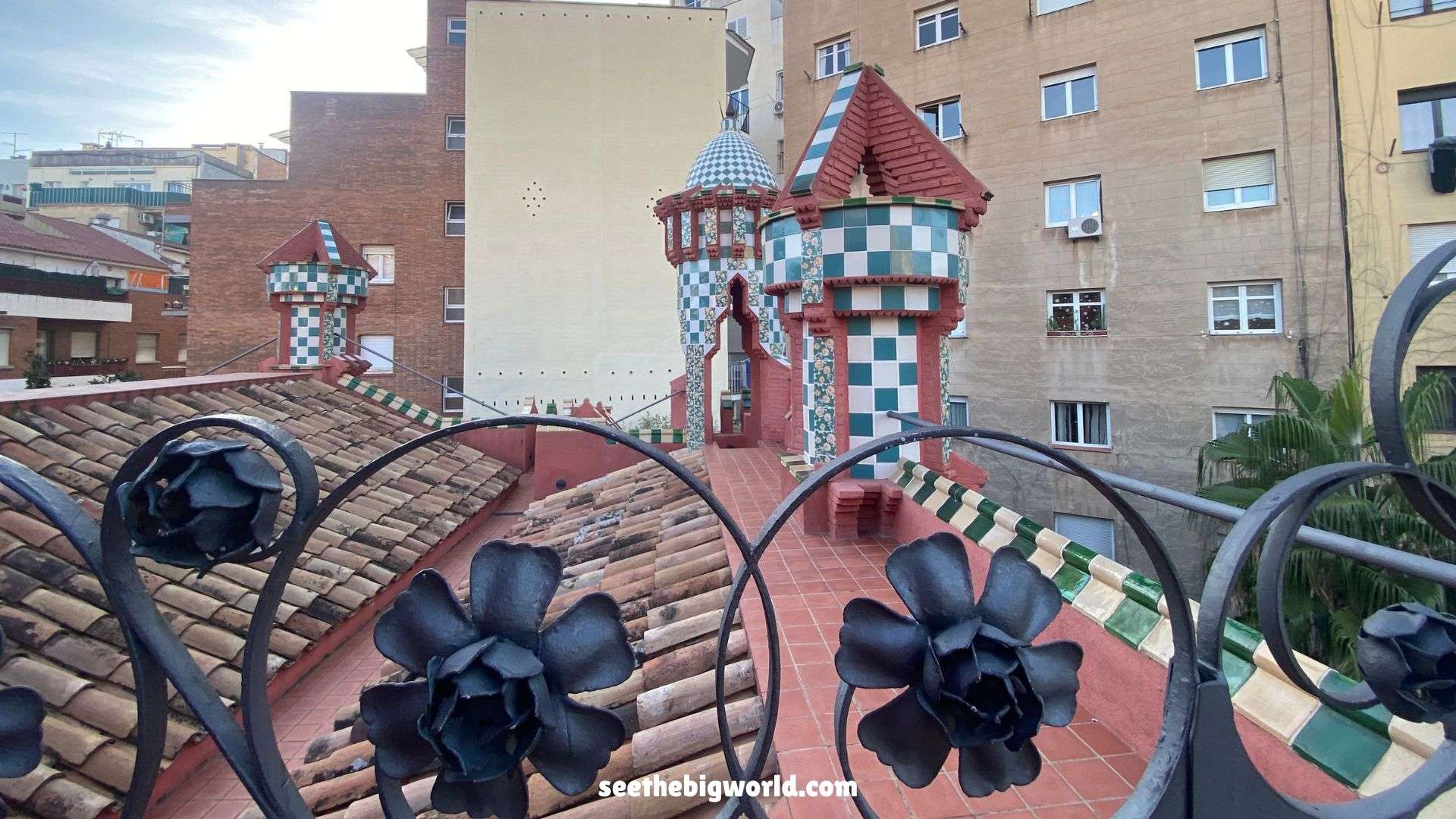
5. Rooftop
The unique design of the roof is not only a highlight of the building but also an excellent spot for enjoying views of the surrounding area. From the roof, visitors can overlook the street scenery and capture the fine architectural details, making it an ideal location for photography enthusiasts.
Read More
- Next Stop:Park Güell (20 min walk, Gaudí's nature-inspired utopia)
- More Gaudí:Sagrada Família|Casa Batlló|La Pedrera (Casa Milà)|Casa Vicens|Palau Güell
- Planning Guides:The Ultimate Barcelona City Guide|Barcelona Transportation Guide