Updated on 04/12/2025 | Published on 22/11/2025
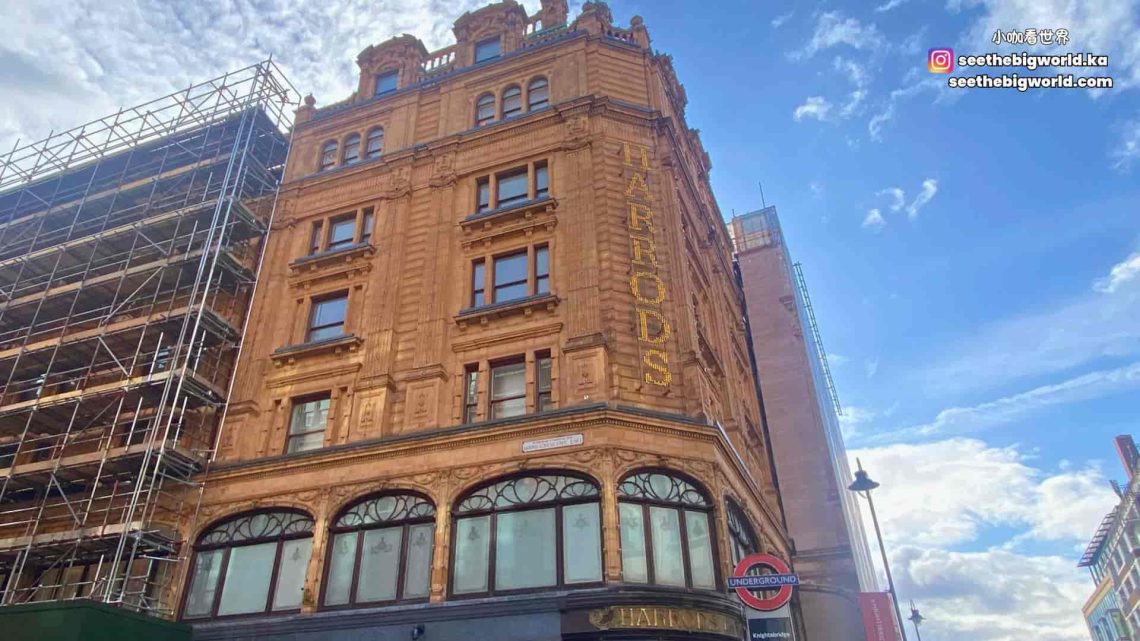
Harrods is one of London’s most recognisable department stores – a landmark for visitors and a quiet emblem of British middle-class identity. Many assume it belongs solely to luxury shoppers, yet the store functions more like a stage on which ideas of taste, ritual and class are performed. Drawing on my brief period working in Harrods customer service, this guide offers a look at its key floors, practical shopping cues and realistic price ranges, unpacking the cultural logic behind the store and how far £100 can genuinely go.
Read Before Your Trip
UK City Guides:London|Liverpool
London Articles:Top Attractions|London Pass Guide|Day Trips From London|London Itinerary|London Transportation Guide|London for Seniors|Harrods|Buckingham Palace Changing of the Guard
Passes:London Pass|BritRail Pass|Euro Train Pass
Buckingham Palace:Get Your Guide|KLOOK
Westminster Abbey:Get Your Guide|KLOOK
Tower of London:Get Your Guide|KLOOK
London Eye:Get Your Guide|KLOOK
Day Trip to Windsor Castle, Stonehenge, and Bath:Get Your Guide|KLOOK

Why Is Harrods Significant? A Snapshot of London’s Urban Character
Most people picture Harrods as a “luxury department store”, but within the UK it represents something broader: a place where middle-class taste is enacted.
In Britain, spending is less about display than respectability. Harrods embodies this instinct: less about extravagance, more about ritual; not indulgence, but the quiet assertion of “I deserve to live this way”.
- It is not simply a retail space; it is a cultural setting:
- Seasonal family rituals unfold here throughout the year
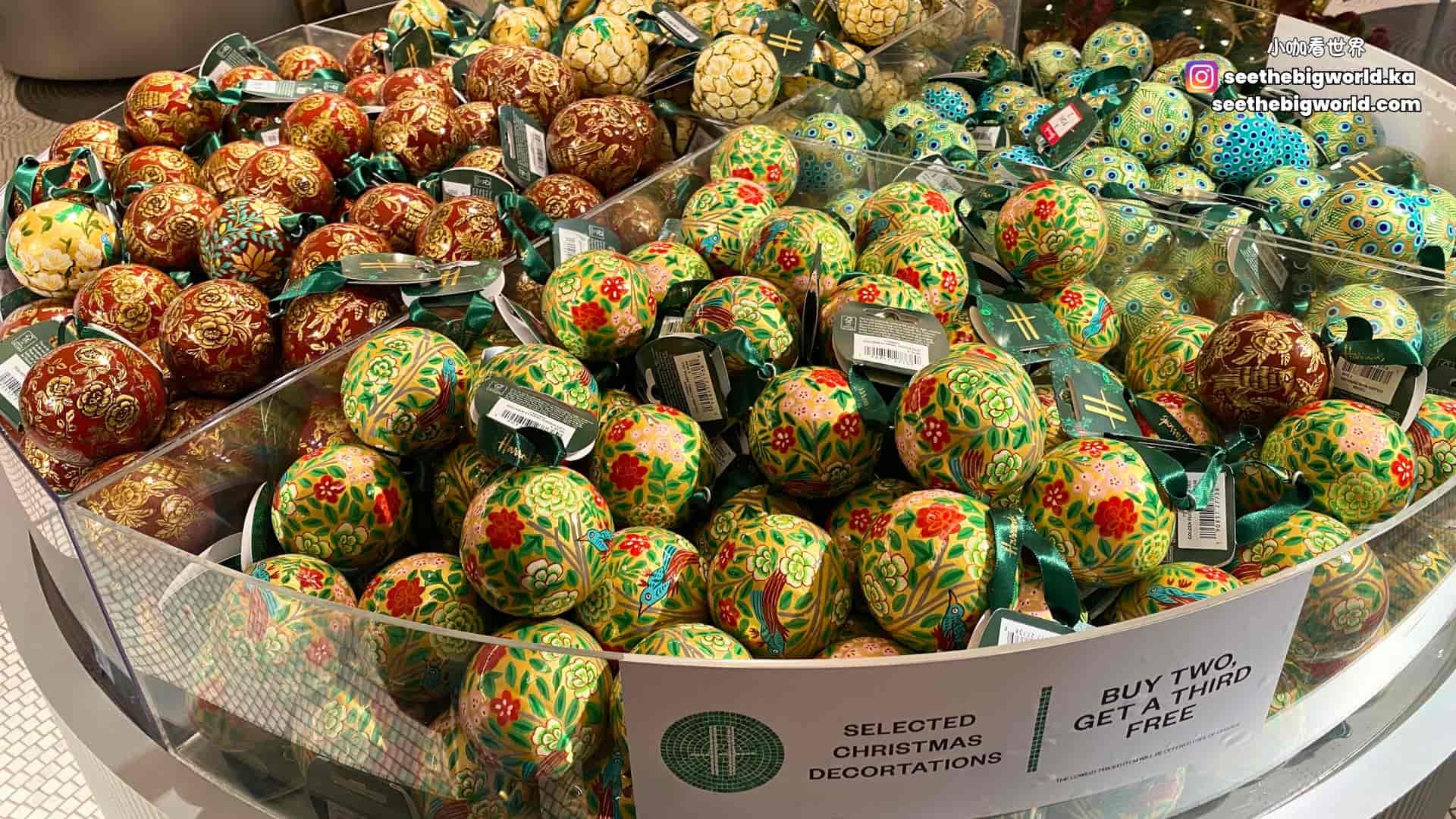
- Christmas baubles, tins of tea and chocolate gift sets form multi-generational traditions
- Department stores signal a certain kind of urban lifestyle
- Harrods reveals how British people understand “taste”:
- Not everything is costly, but the packaging, atmosphere and experience carry weight
- Visitors come not only to “buy gifts”, but to mark occasions
- Tourists see luxury; locals see ritual:
- Harrods is part of British middle-class collective memory
- Many London families treat “buying one Harrods bauble a year” as a tradition
Former Staff POV: My Time at Harrods
When I first moved to the UK and settled in London, I joined Harrods as a temporary customer service contractor. The role was brief, but offered a clear view of the store’s cultural personality.
- A crash course in British accents
- What you hear here is not BBC English or royal diction, but everyday accents from across the country
- Calls came from all regions, and my listening skills adapted rapidly as a result
- Poppy Day (not Puppy Day)
- In November, many callers asked about Remembrance events
- The first time I heard “Poppy Day”, I genuinely thought it was “Puppy Day”
- Only then did I appreciate how seriously the British regard memory and history
- Lifestyle queries matched the luxury ones
- Rolex remained the fastest and most consistent to respond
- Many callers wanted updates on the release date for new Christmas baubles
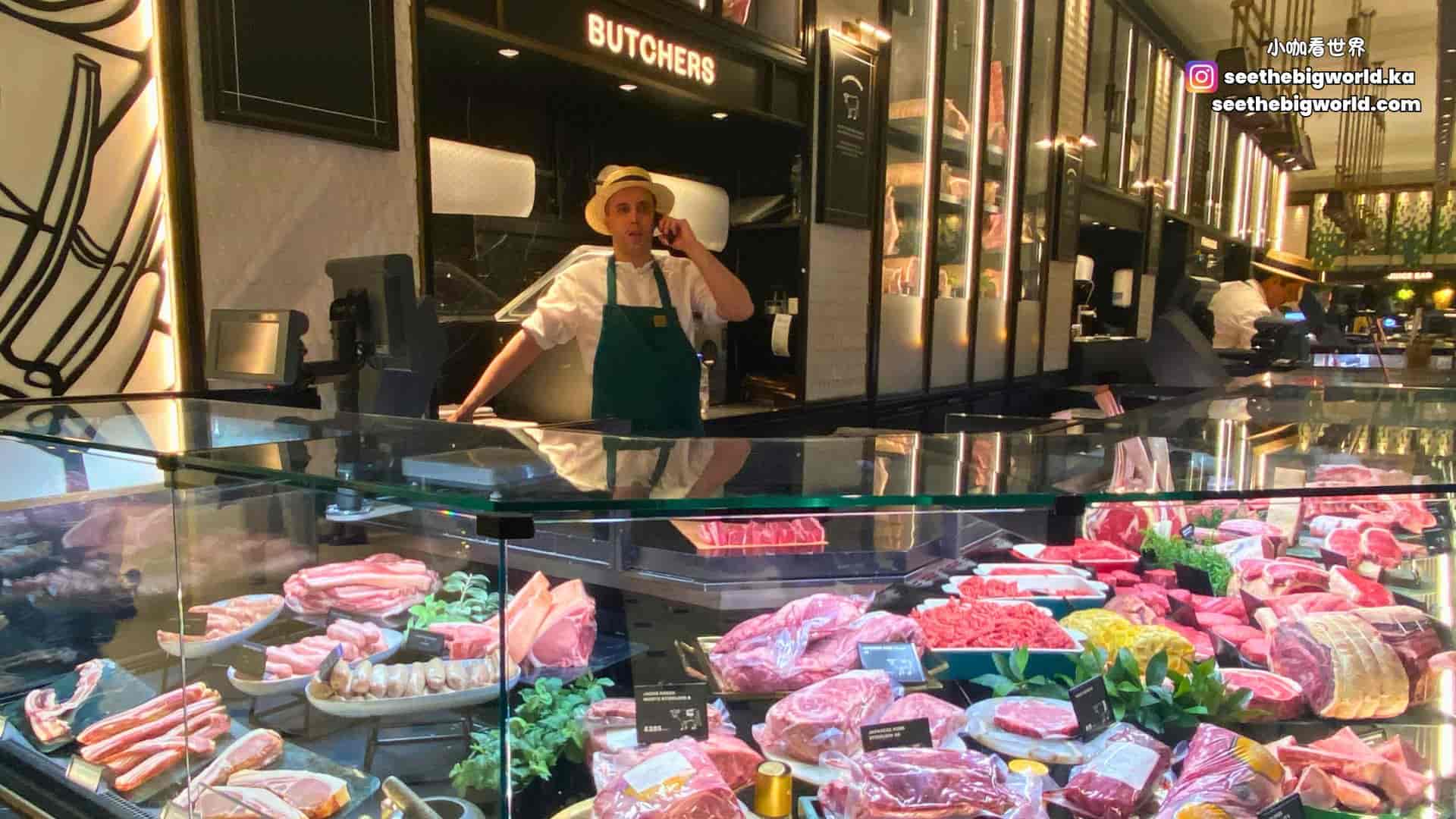
- Some genuinely called about the butchers
It was then I realised: for some families, buying meat at Harrods is entirely normal.
Harrods Guide for Tourists
Visiting Info
- Address: 87-135 Brompton Road, Knightsbridge, London SW1X 7XL
- Nearest Tube: Knightsbridge (Piccadilly Line, clearly signposted, short walk to the main entrance)
- Opening Hours:
- Mon to Sat: 10:00-21:00
- Sun 11:30–18:00
- Some restaurants and boutiques may close earlier; for holidays or special events, check: official Harrods website
Who Is Harrods Suitable For?
- Travellers interested in British class culture
- Anyone seeking presentable, reliable souvenirs
- Visitors who enjoy ritualised shopping
- Those curious about how British families mark seasonal traditions
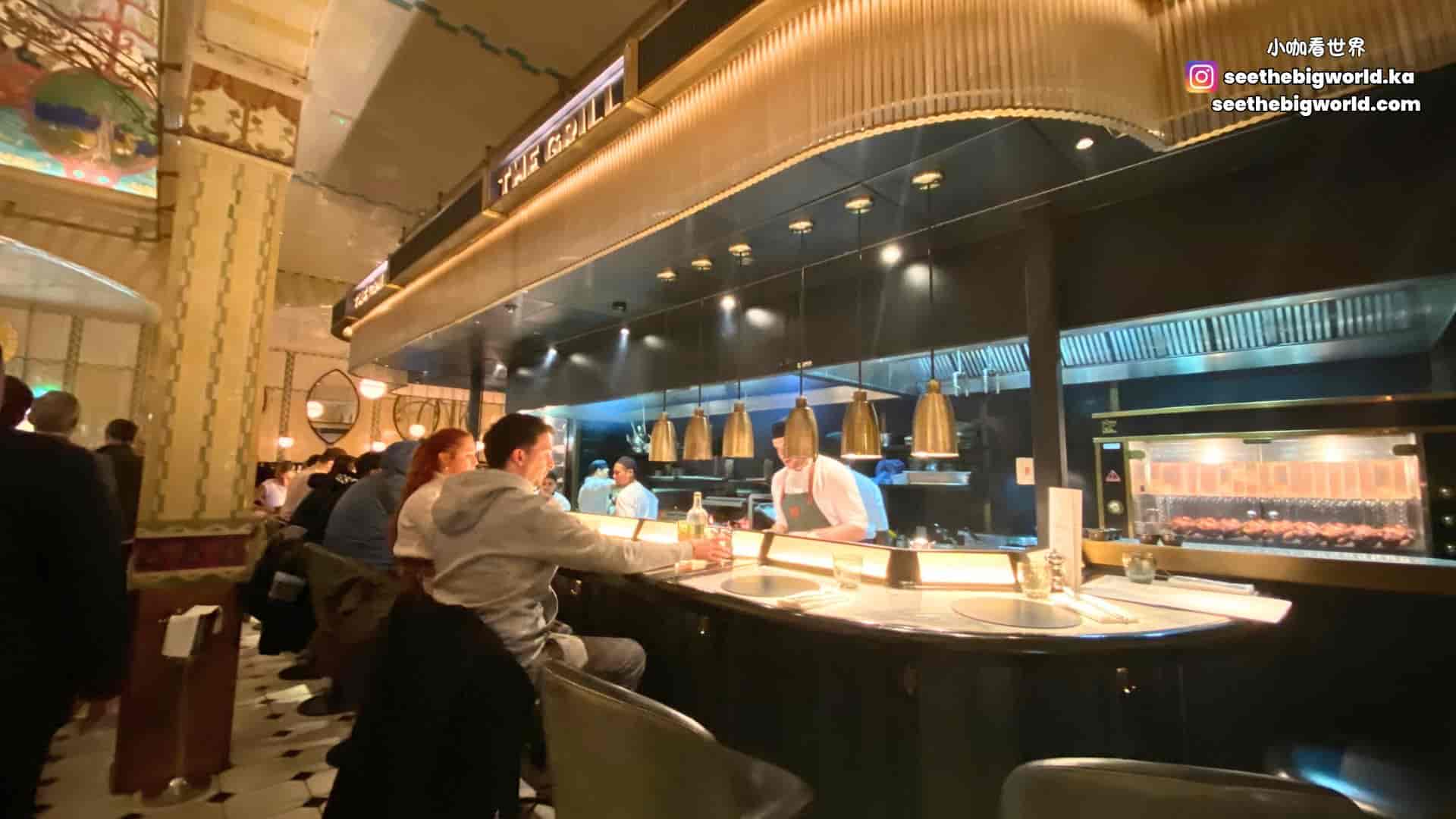
- Anyone wanting to explore the Food Hall or a quieter style of afternoon tea
The Best Floors for Tourists
If you’re unsure where to begin, this route works well:
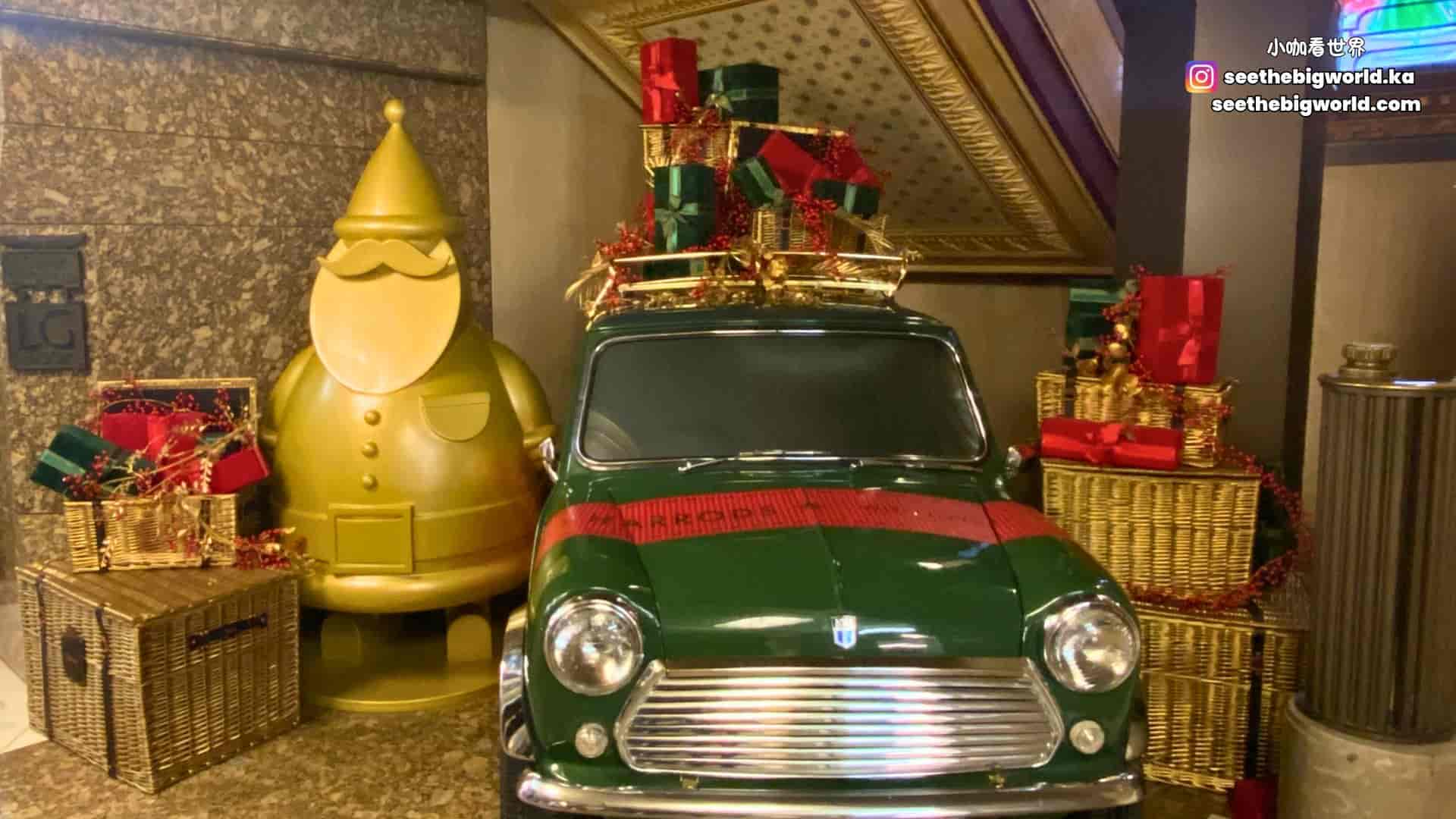
1. Central Escalator Hall (a recognisable photo point)
An ornate, slightly old-world interior that defines Harrods’ visual identity.
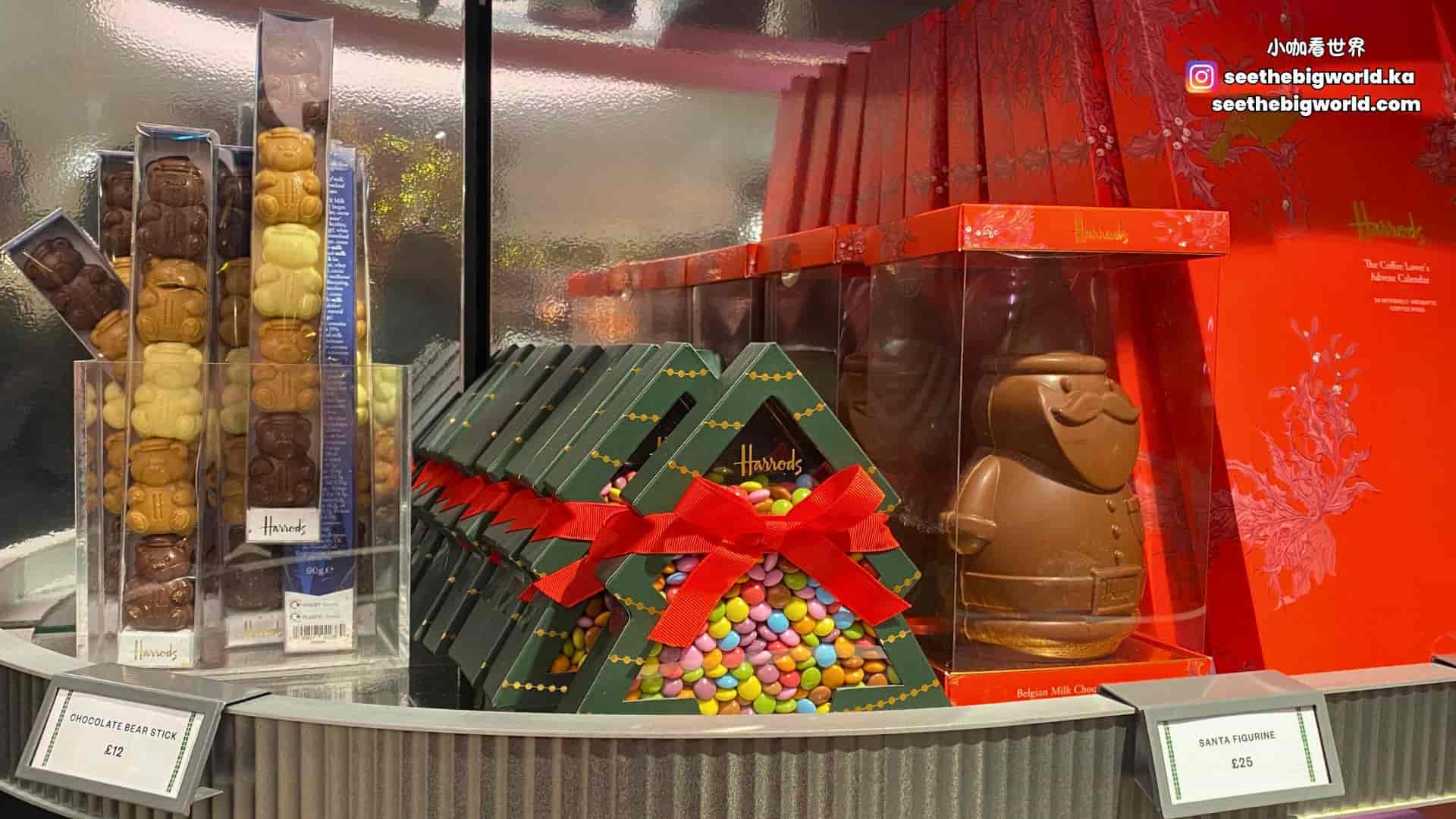
2. Lower Ground Floor – Gifts & Bookshop
- Books & Gifts
- Harrods Bookshop
- Cards & Gift Wrap
- Seasonal Gifting
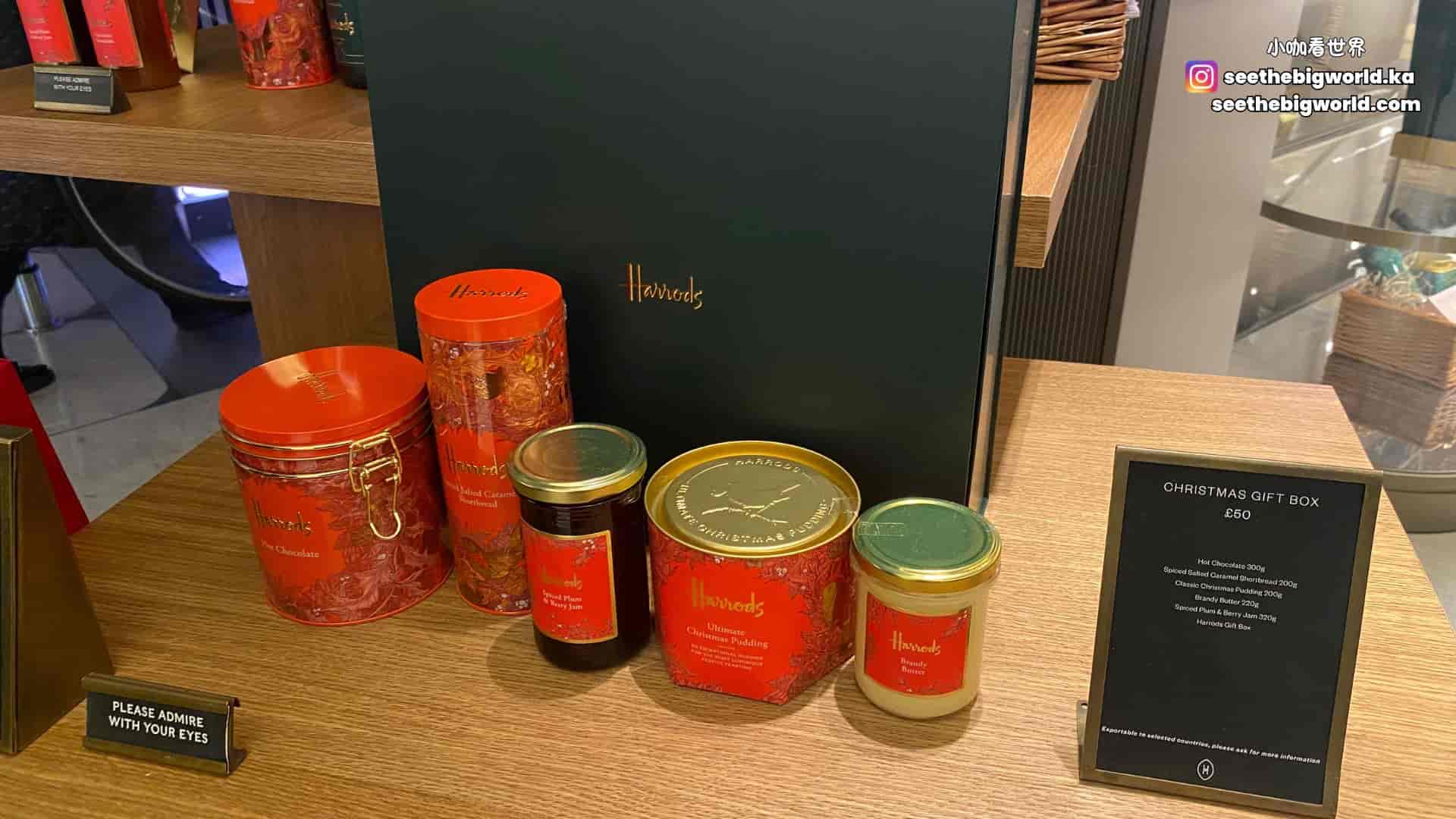
The best place for well-packaged souvenirs: tea, chocolates, baubles, cards and limited editions.
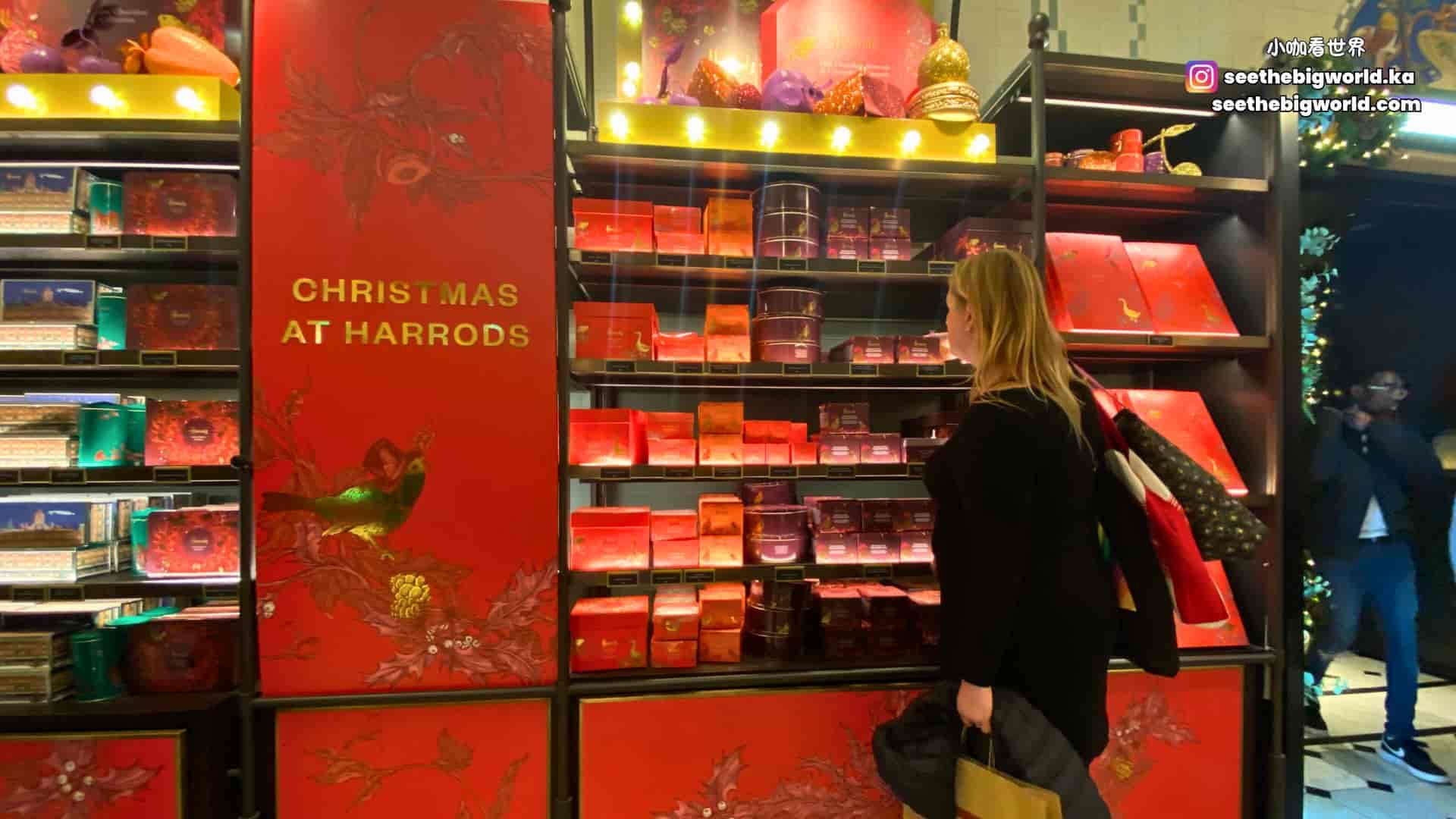
3. Ground Floor – Food Halls
- The Food Halls
- Harrods Dining Hall
- Chocolate Hall
- Beauty Halls & Perfumery Hall
This is the store’s centre of gravity: accessible luxury, food gifts and everyday indulgences.
4. 3rd Floor – Harrods Café & Homeware
- Harrods Café (afternoon tea)
- Homeware, porcelain, kitchenware
You don’t need a high spend to sit down for a quiet cup of tea (it’s much calmer than the Food Halls).
What Can £100 Realistically Buy at Harrods?
People assume everything here starts in the thousands, but that’s not true. With £100, you can genuinely buy gifts, have tea, and wander for half a day.
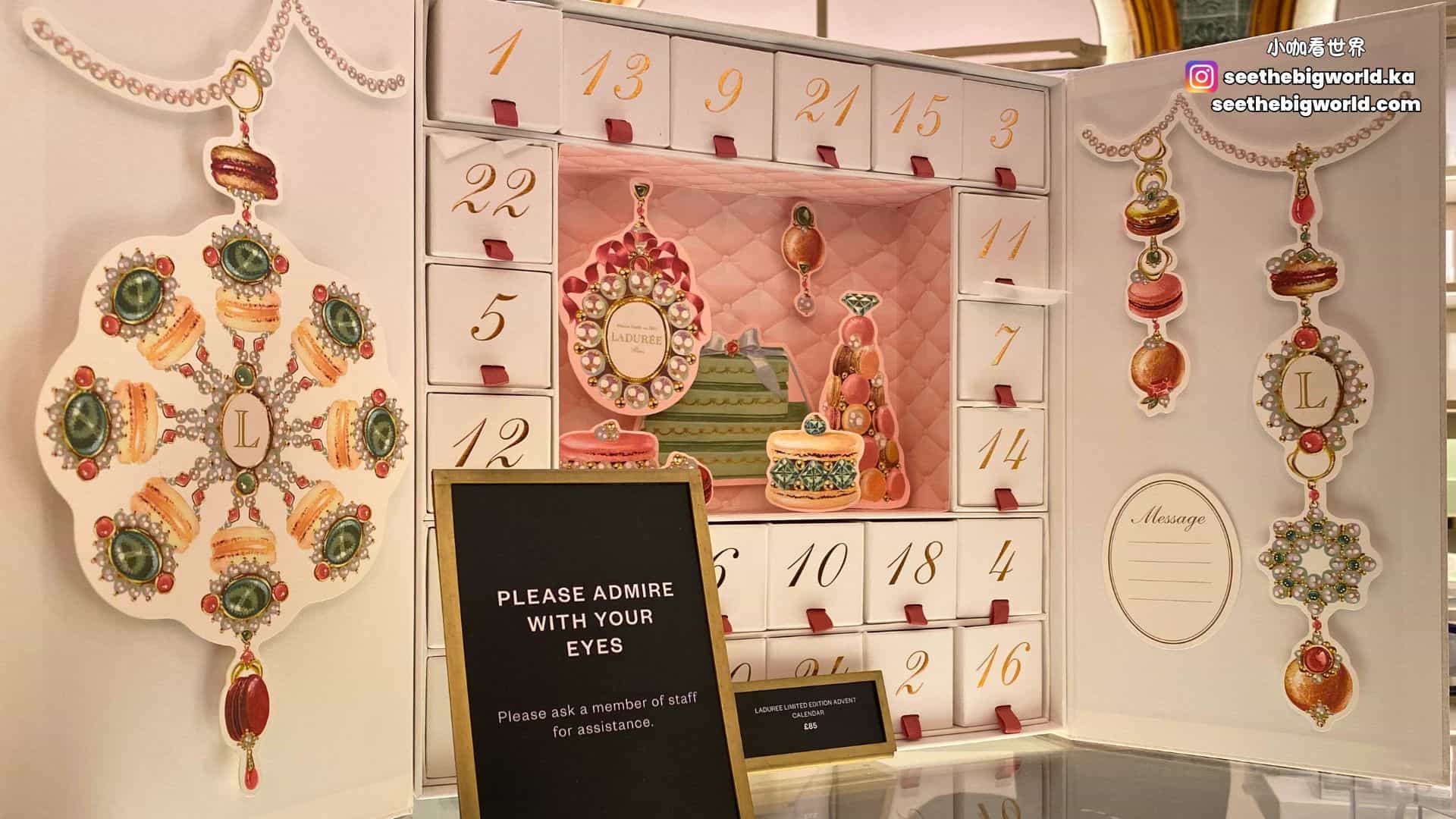
- Food Hall Gift Sets
- Tea, chocolates, biscuits, jams: around £8–£30
- Christmas Ornaments
- Around £15–£35
- Lunch or Afternoon Tea
- Food Hall mains from around £20
- Harrods Café: Cream Tea £17.95, cakes £13, coffee or tea £6–£7
- Affordable Luxury
- Fragrances and cosmetics from brands like Chanel, with full counter service instead of online shopping
- The Most “Tasteful” Yet Cheapest Option: Books
- Harrods has an entire book section. Many British middle-class homes use beautifully bound books to make the living room look a little more “cultured.”

Taking My Parents: Gifts + Harrods Café Afternoon Tea
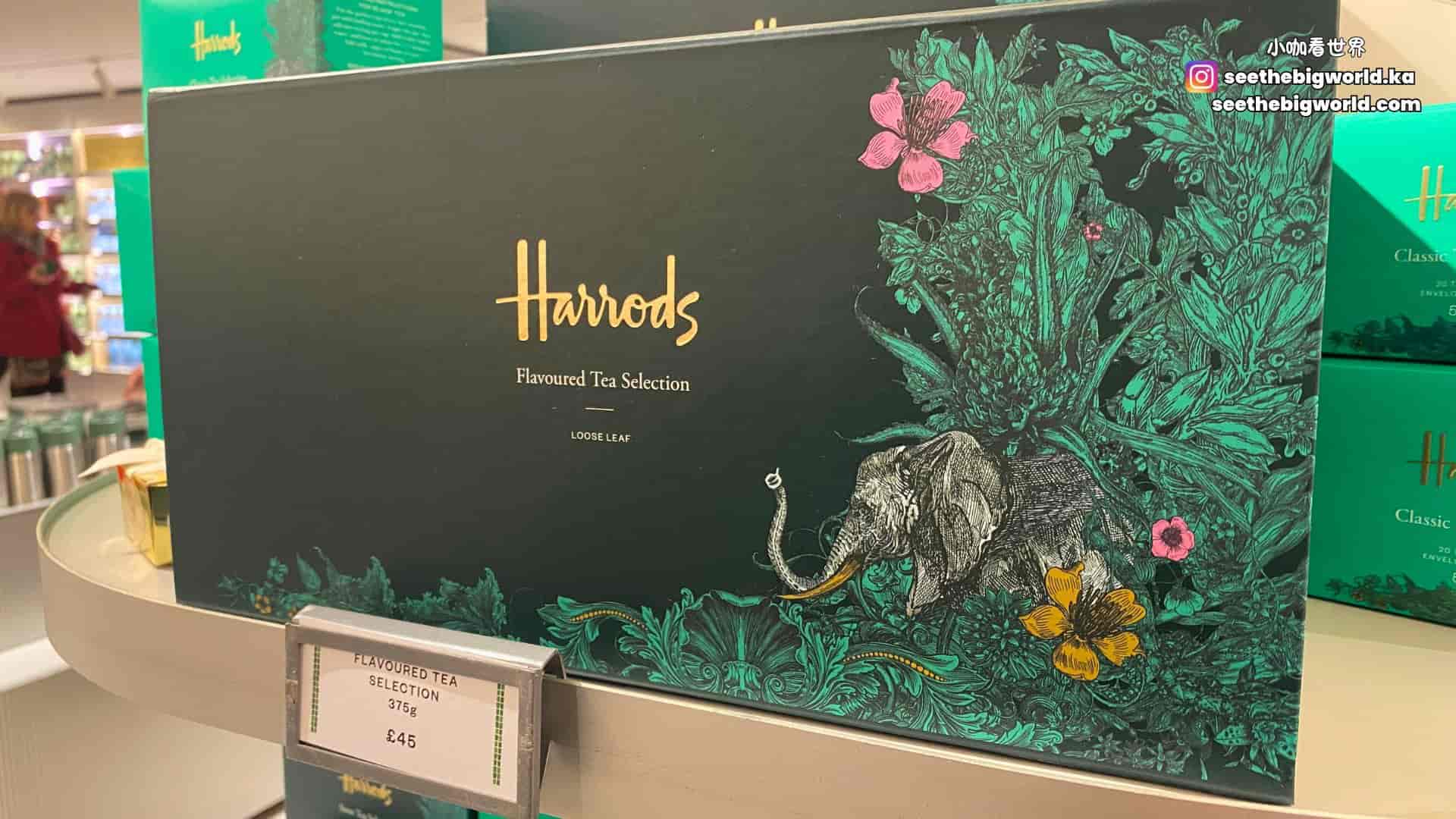
When my parents visited London, my mum asked where she could find presentable souvenirs for her colleagues. Harrods’ gift section was the obvious answer.
For one simple reason: the gifts feel “British”, the packaging looks put-together (with the logo), and they’re respectable without being showy. Perfect for supervisors, colleagues, or clients. The “Harrods effect” does the talking for you.
After picking out gifts, we went up to the third-floor Harrods Café for afternoon tea.
It isn’t a full Ritz or Betty’s Afternoon Tea, but the space is comfortable, the seating generous, and there’s no pressure to overspend. The atmosphere is surprisingly calm and everyday.
Our total for four people was £95.91 — about £24 each — including lasagne, a sandwich platter, scones, and a pot of tea per person. A quick, civilised recharge before heading off to another department store so my mother could continue her shopping mission.
For the full itinerary, see: London for Seniors|5-Day Itinerary with My 70+ Dad