Updated on 23/02/2026 | Published on 02/12/2024
First time travelling to London? This 2026 update is built for people who want to make smart calls upfront: UK ETA entry, transport, what to prioritise, whether the London Pass is worth it, where to stay, how many days you need, and which day trips to add. Stop spending on the wrong things. Put your budget into experiences you can’t really replace, and get London’s core value out of the trip.
London Quick Guide
- Visa:Hong Kong SAR passport holders and Taiwan passport holders can generally enter the UK visa-free for short stays (up to 6 months); however, the UK is rolling out the ETA (Electronic Travel Authorisation) in phases, and most visa-free travellers must apply before departure, without a valid ETA, you may be refused boarding (flight/ship/train) and be unable to enter the UK.
- Currency:British Pound (GBP) (most places are effectively cashless)
- How Long to Stay:at least 3 days; 5 days feels comfortable; 7+ days lets you add day trips
- Weather:God’s gift to us is “four seasons in one day”, sun one minute, rain the next, then wind; don’t argue with it, waterproof outerwear and walkable shoes will always beat pretty outfits
- Budget (excluding flights and shopping):a more realistic “comfortable” range is £150–£250 per person per day (your accommodation level, meals, and paid attractions will shift this a lot)
- 3 easiest ways to waste money:buying the wrong pass duration, staying too far out, buying popular tickets last-minute
- Recommended reading order:attractions list → London Pass → transport → 3–9 day itineraries → where to stay → day trips → detailed attraction/deep-dive articles
London Main Attractions and Food Map
This map highlights London’s classic attractions (deep red camera icons), themed experiences within the city (black hearts, yellow footballs, blue music notes), central dining spots (orange fork and knife), and shopping destinations (red and black shopping bags).
The map is set to English by default. Simply click on the 'Enlarge Map' icon in the top right corner to switch to your preferred language!
Why London Feels So Expensive
London’s “expensive” comes from three stacked costs:
- Food costs:
- McDonald’s, or a coffee + a pastry can be done for around £10
- But if you want to sit down and properly eat, set expectations at £20+ per person
- If you want it to be genuinely good, it’ll cost more
- Ticket costs:
- A handful of attractions are pricey, and hard to replace (especially on your first trip).
- Accommodation costs:
- Staying further out can look cheaper, but your transport costs and energy spend go up fast—often it’s “saving on the room, losing the entire trip’s rhythm”.
So the smartest way to “save” in London isn’t spending less. It’s spending on experiences you can’t substitute, and using free attractions plus route planning to keep the trip dense and efficient.
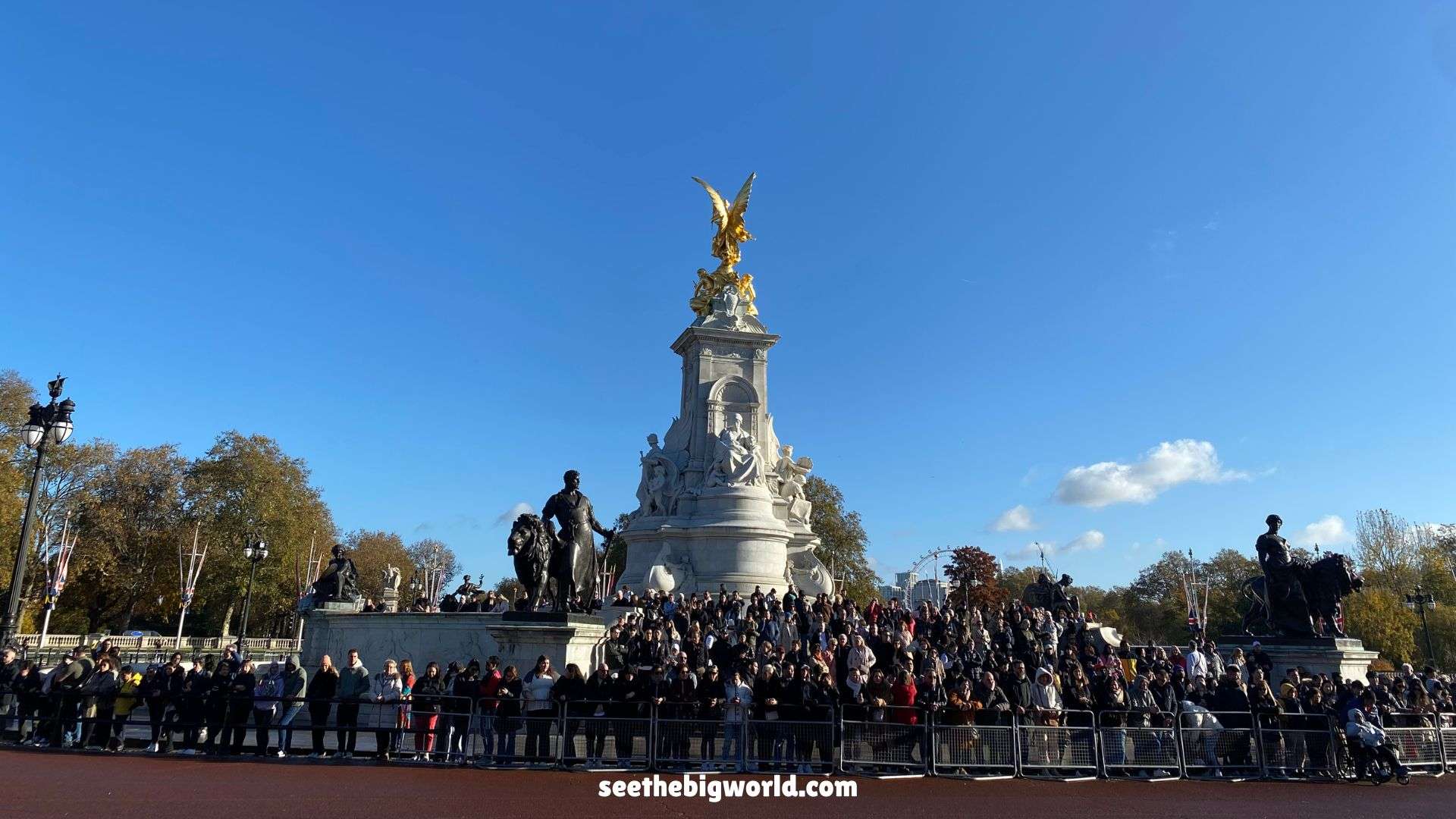
First-Time London: Make These 7 Decisions (In Order)
If you don’t want London to feel like “rushing all day, yet somehow not seeing much”, make these 7 decisions first, then start locking in sights and buying tickets.
1. Decide what you actually want to see (start with my list)
Circle the places you genuinely want to go. Every other decision (passes, routes, days, day trips) becomes accurate only after that. Use categories to filter quickly, don’t try to cram everything just because it’s on a list.
Read More:London Attractions|Best Things to Do for First-Timers|Tickets + Opening Hours
- Historical, Royal, and Cultural Landmarks
- This is where you get Britain’s power story, and it’s usually the most memorable part of a first trip.
- Museums
- Free and genuinely good, but don’t stack too many in one day; the point is to see the highlights, not to “complete” them.
- Markets, Shopping, Dining & Entertainment
- Use these to control the pace: when you’re tired, when you need food, or when you want an easier evening.
- Parks & Natural Attractions
- This is what turns London from “a checklist city” into “a lived-in city”. Your trip feels more like living, less like sprinting.
2. What should be paid vs free?
Don’t memorise principles. Just use this first-timer split:
- Free|Great for filling your itinerary, and perfect as rainy-day backup
- Changing of the Guard|The British Museum|Natural History Museum: strong content, free entry is a bargain
- Parks and riverside walks: zero cost, high London vibe
- Markets and department stores: Borough Market, Covent Garden, Camden Market are worth browsing even if you don’t buy; Harrods is basically a free “London spending ceiling” exhibition
- Paid|You may regret skipping these
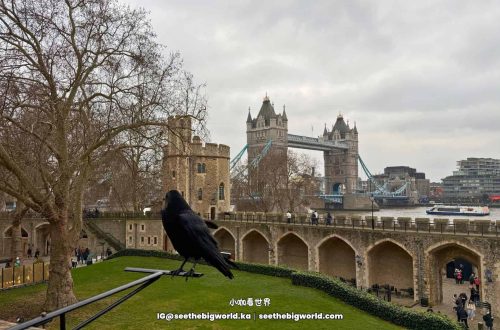
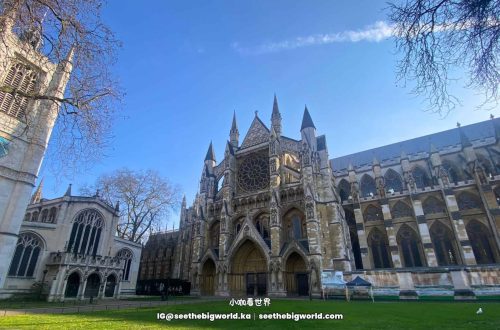
- Tower of London|Westminster Abbey|St. Paul's Cathedral: you won’t get the core experience without paying, hard to skip on a first trip
- Pick one viewpoint: London Eye or The Shard (choose one; don’t buy both)
- Want to save your legs? Buy one river option: Thames cruise / river bus (especially if you’re crossing zones anyway: transport + sightseeing in one)
- If you’re a football fan
- Do at least one stadium tour (Wembley / Arsenal / Chelsea / Spurs: pick one)
- Culture add-on|Costs money, but worth it
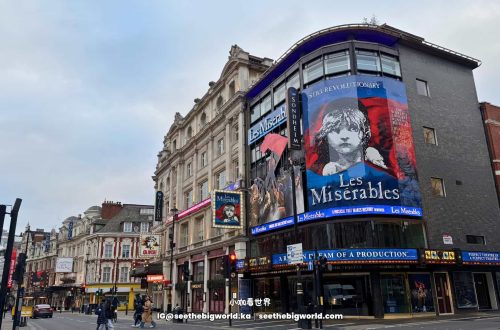
- See one musical: think of it as “London’s default evening plan”. Pick something you actually want to watch, it’ll stick with you more than forcing in another attraction
- Read More:London West End Musicals: Best Seats & Cheap Tickets
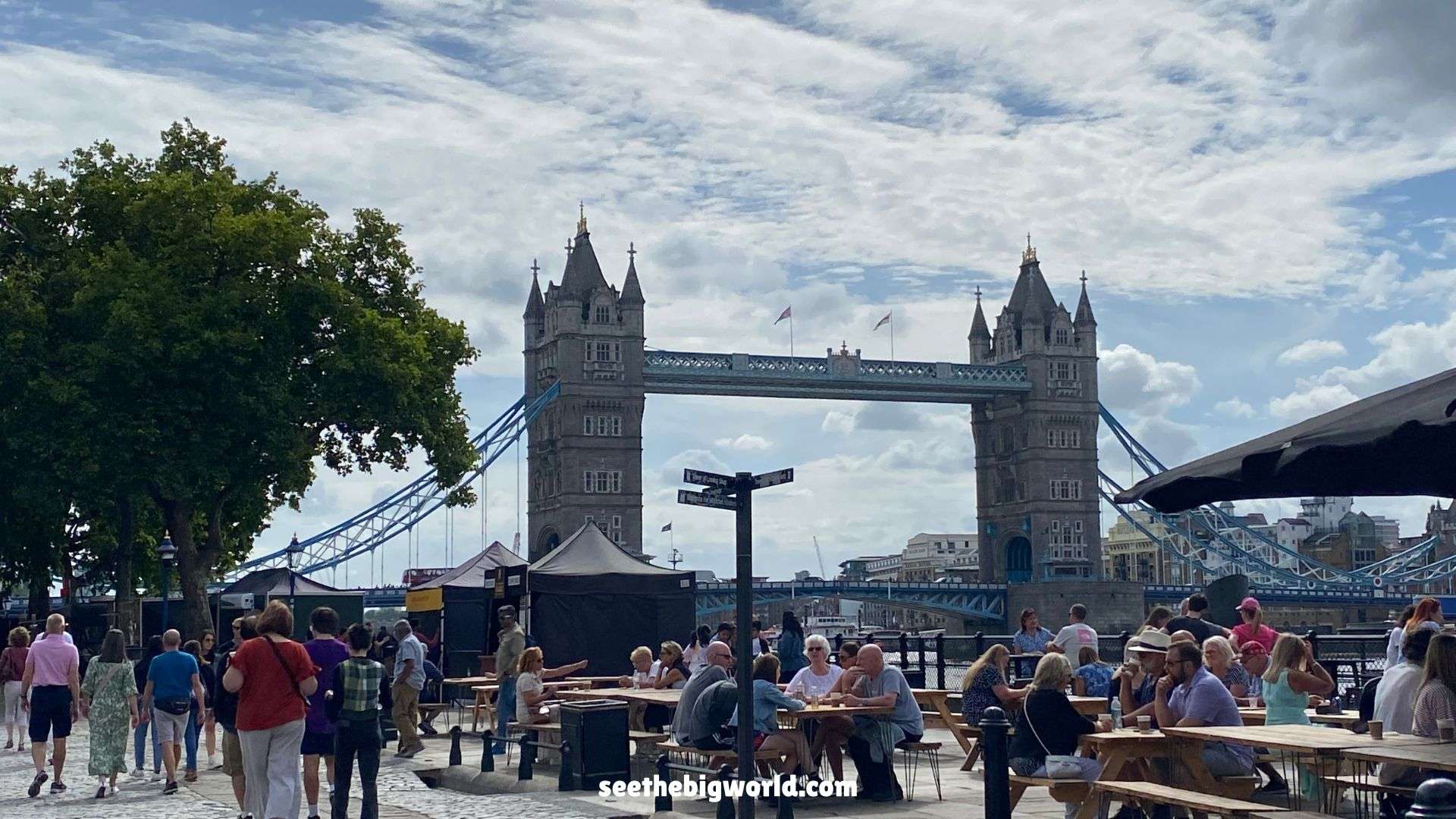
3. Should you buy the London Pass? (and for how many days)
London has lots of free attractions, but a few high-ticket ones most first-timers won’t want to miss. Whether the London Pass is worth it isn’t about “buy or not”, it’s how many paid sights you’ll do, and whether you can concentrate them into a few days.
Read More:London Pass Guide – Worth It?
4. What’s your transport strategy? (airport transfers + getting around)
Sort out airport transfers and how you’ll use the Tube/buses first. Your whole trip will feel different. On a first visit, one wrong transport choice or messy interchange can derail an entire day.
Read More:London Transportation Guide: Save on Tube, Trains, Buses | Airport Transfers & Car Rentals
5. How many days are you staying? (3 / 5 / 7 / 9 days = different styles)
London isn’t a city where “cramming more into a day” automatically makes it better value. Different lengths need different pacing:
- 3 days: nail the core landmarks
- 5 days: add themed deep-dives
- 7 days: reserve one full day for day trips, your trip becomes “England travel”, not just central London
Read More:How Many Days in London? 3, 5, 7 or 9-Day Itinerary
If you’re travelling with older parents, your routes and rest rhythm should be completely different:
Read More:London for Seniors|5-Day Itinerary with My 70+ Dad
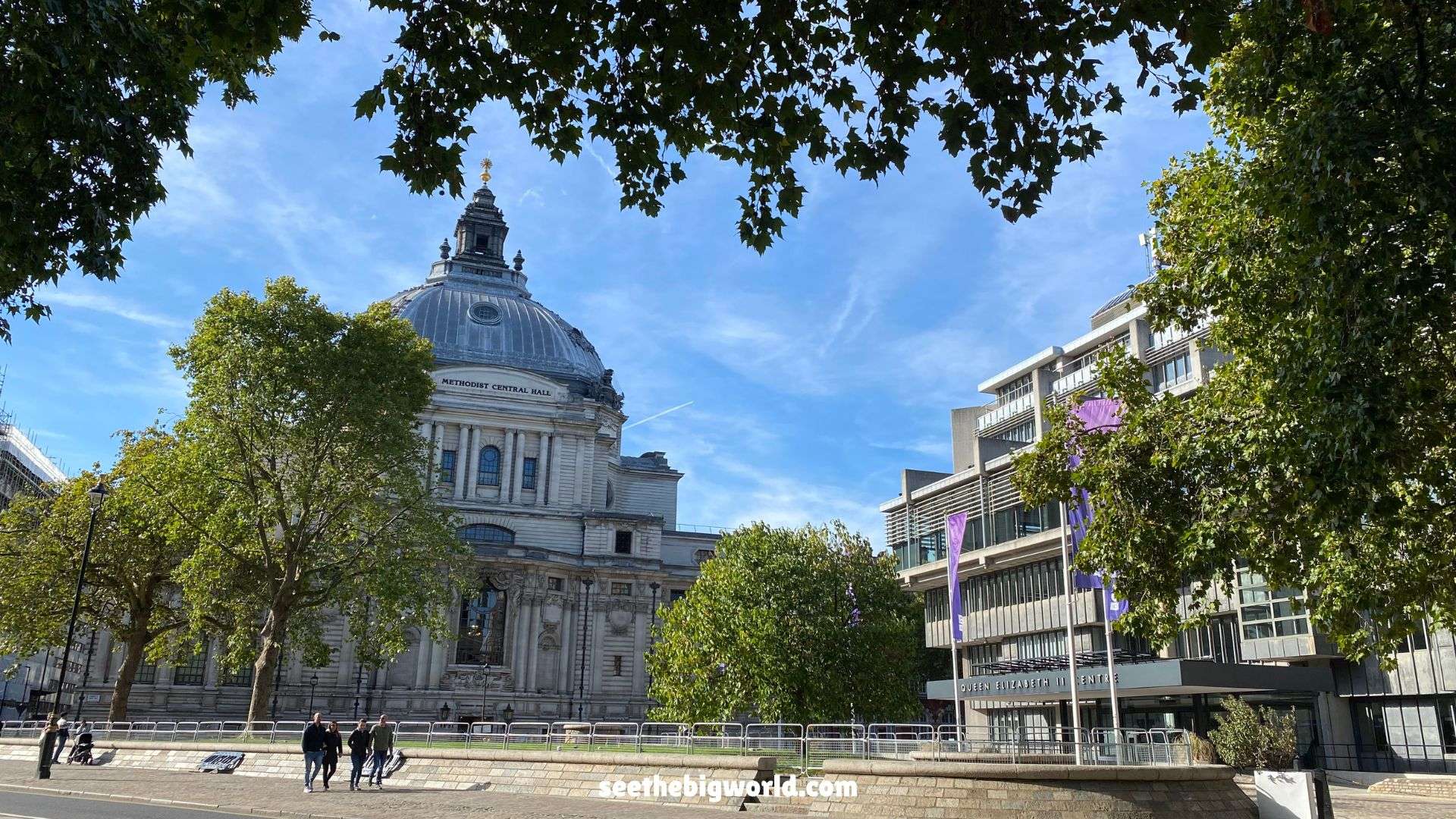
6. Where to stay in London (first-timer version)
First time in London, remember one rule:Stay in the city centre! Stay in the city centre! Stay in the city centre!
I lived in West London when I worked and lived in the city, but for travel, staying central is simply the easiest option: it saves a lot of time and transport costs.
After I moved to Liverpool, this is how I usually pick areas when I do short London trips (a genuinely practical reference):
- Classic central itinerary (most efficient): Paddington
- Heathrow Express runs straight in, and it sits on multiple Tube interchanges.
- More importantly, Paddington is just outside the Congestion Charge boundary; once you’re in Zone 1, you’ll usually park and switch to the Tube or walking, driving is mainly for getting in and out of London. Staying here can save you £18 a day in charges versus Oxford Circus or Covent Garden.
- Long-distance rail trips (north or south): King’s Cross or Victoria
- If you’re taking trains to York, Liverpool, or Edinburgh, staying near the station saves you the nightmare of hauling big luggage through Tube changes.
- Older parents/family + driving needs: Stratford
- With the Elizabeth line, getting into central is very fast; parking is also easier.
- Right next to it is Europe’s largest Westfield shopping centre: dinner is easy, and if an older family member needs to head back early, the area has enough amenities for them to stay nearby comfortably.
- Specific purpose (concerts/football): stay where the journey home is painless
- After big events in London, Tube queues can easily start at 1 hour. Pick your base well and you simply suffer less.
- O2 Arena: stay on the Jubilee line, within 1–3 stops of North Greenwich (e.g., Canary Wharf / Canada Water). After the show, you get on, ride a couple of stops, and you’re back.
- Wembley: Wembley Park (walk back, pop the champagne, don’t torture yourself).
7. Are you adding day trips?
Whether you add day trips depends on whether you want “central London tick-list” or “a quick look at England”. For a first trip, these three directions are the least regret-inducing:
- Classic day trips:Windsor, Bath, Stonehenge
- Top-tier academic vibe:Oxford / Cambridge
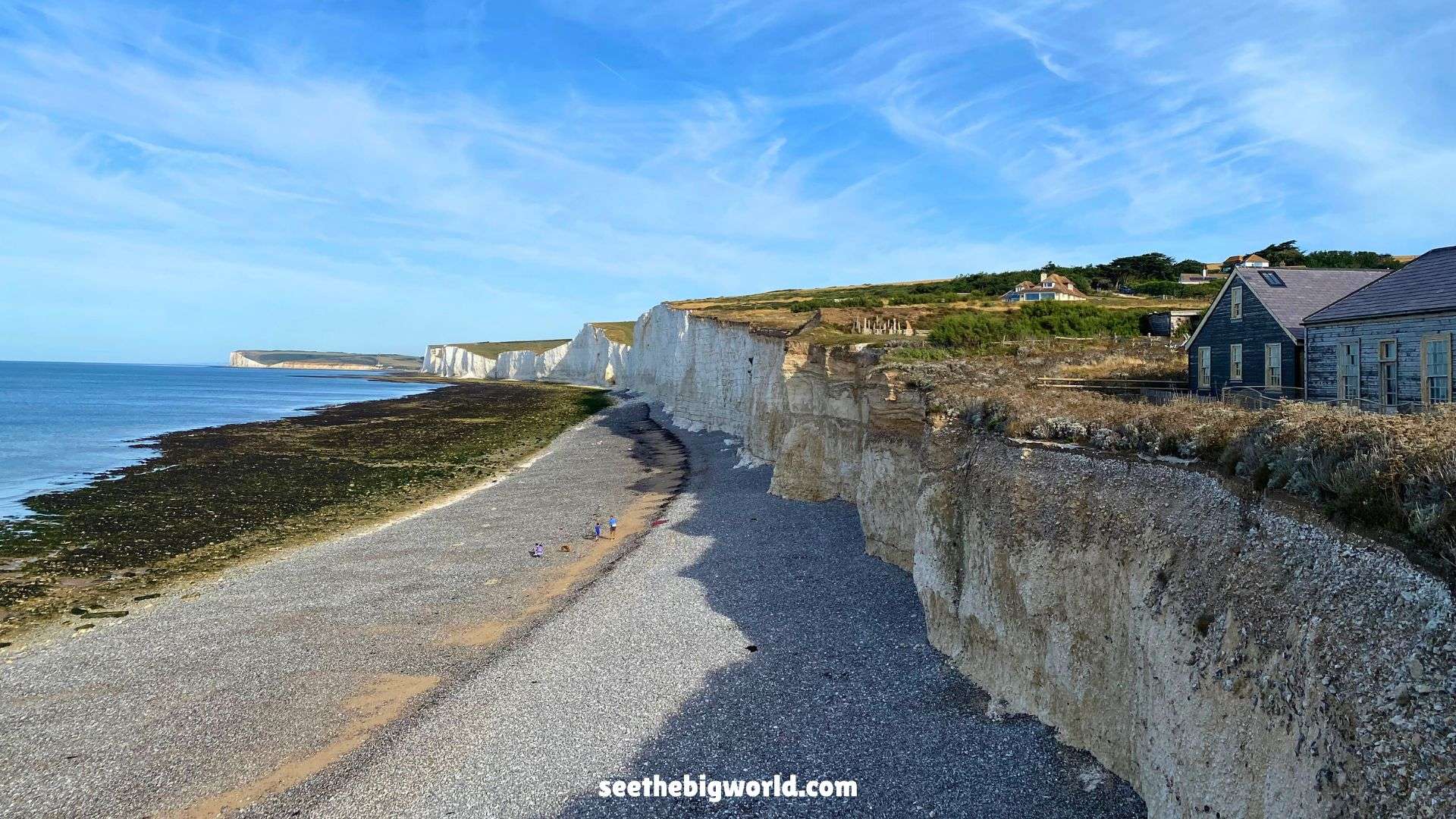
- Seaside + nature:Brighton + Seven Sisters
If you want something deeper, more like a local weekend, you can add:
- Shakespeare’s Birthplace (Stratford-upon-Avon)
- Silverstone Circuit (Silverstone)
- Cotswolds
Read More:Day Trips From London – Top 12 Nearby Towns and Attractions
FAQ On London Travel

What payment methods can be used in London?
Major payment methods include credit cards (such as Visa, MasterCard, and American Express), debit cards (like Visa Debit and MasterCard Debit), and cash. Apple Pay and Google Pay are also widely accepted, and contactless payments are supported across public transport.
What type of plug is used in London?
London has a voltage of 220-240V and uses type G plugs (with three rectangular prongs). If your devices do not conform to these standards, it is advisable to bring an international travel adapter.
What should you wear in London’s weather?
London's weather is unpredictable, so it's recommended to wear a waterproof coat and comfortable shoes, and to bring an umbrella just in case.
What is the best travel season for London?
Summer (June to August) is the best travel season, with long daylight hours suitable for various sightseeing and outdoor activities. The Christmas season in December is also very appealing, allowing visitors to experience festive activities and unique Christmas markets.