Updated on 22/12/2025 | Published on 01/01/2025
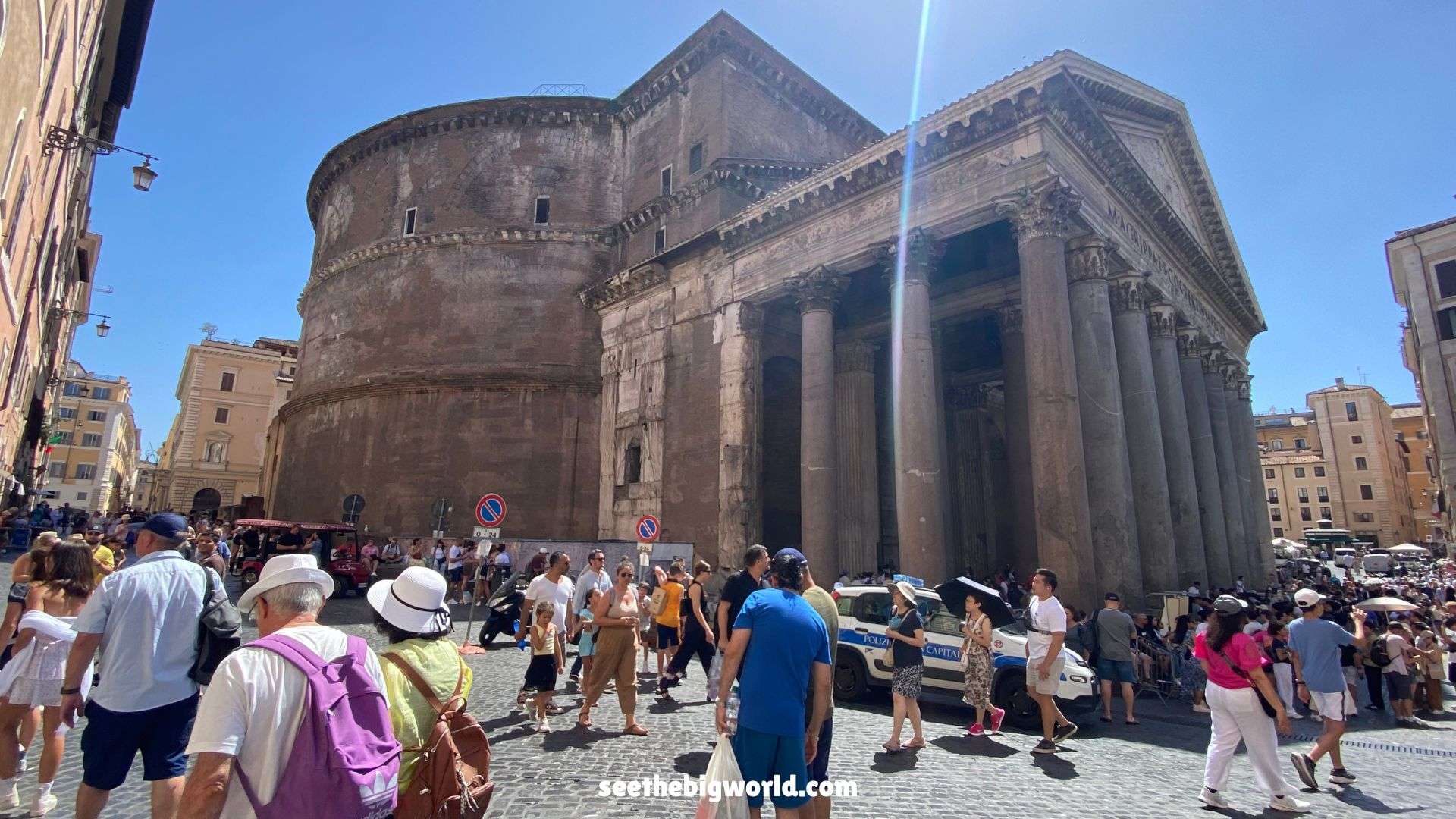
Pantheon Rome Review: The Pantheon in Rome, one of the most famous ancient temples, has a history of over two thousand years and is a must-see landmark for first-time visitors to the city. This article shares my personal experience and provides an overview of the Pantheon’s historical background, must-see highlights, best visiting times, ticket information, and transport guide.
Rome Pantheon Fast Facts
- How to Get There:Located at Piazza della Rotonda; easily accessible on foot from Piazza Navona or the Trevi Fountain
- Opening Hours:Daily 09:00 – 18:30 (Last entry 18:00)
- How Long to Spent:Approx. 30–45 minutes; allow 1 hour for guided tours
- Tickets:Check latest prices & booking options
- Entry Ticket: Entry fee applies (approx. €5); booking online in advance is recommended.
- On-site Tips: Queues for cash payments are often significantly shorter than card payment queues.
- Guided Tours: Audio or live guides to understand the architectural marvel of the dome.
Why Should You Visit Pantheon Rome? (History and Features)
The Pantheon, meaning “Temple of All Gods,” is one of the best-preserved buildings from ancient Rome, with a history of over 2,000 years. Its story is deeply intertwined with the eternal city of Rome, and it has long been a symbol of the city.
Built by Agrippa between 25 and 27 BC, the Pantheon was originally constructed to honour twelve gods and the ruling emperor at the time. It is traditionally believed that the current Pantheon was a complete reconstruction by Emperor Hadrian between AD 118 and 125. This building is the only ancient Roman structure that has been almost completely preserved.
In AD 608, Pope Boniface IV moved the remains of many martyrs from Christian catacombs to the Pantheon. Since then, the Pantheon has been officially transformed into a Christian church and named the Basilica of Saint Mary and the Martyrs (Santa Maria ad Martyres). The Pantheon also became a source of inspiration for the great Renaissance architect Raphael, who requested it as his eternal resting place.
Pantheon Rome Review / Experience
- Rating:🌎🌎🌎🌎🌎
- Time Spent:1 Hour
I was really curious if it rains, would the rain come in through the giant dome?
While doing some research, I discovered that the Pantheon was originally a free attraction, but now they charge an entrance fee – only €5 (as of 2024), which I think is a great value.
I bought my ticket on-site, but you can also buy tickets online, or queue up at the entrance to buy tickets with a credit card or cash. Note that there are separate queues for credit cards and cash – you can’t choose after you’ve joined the line.
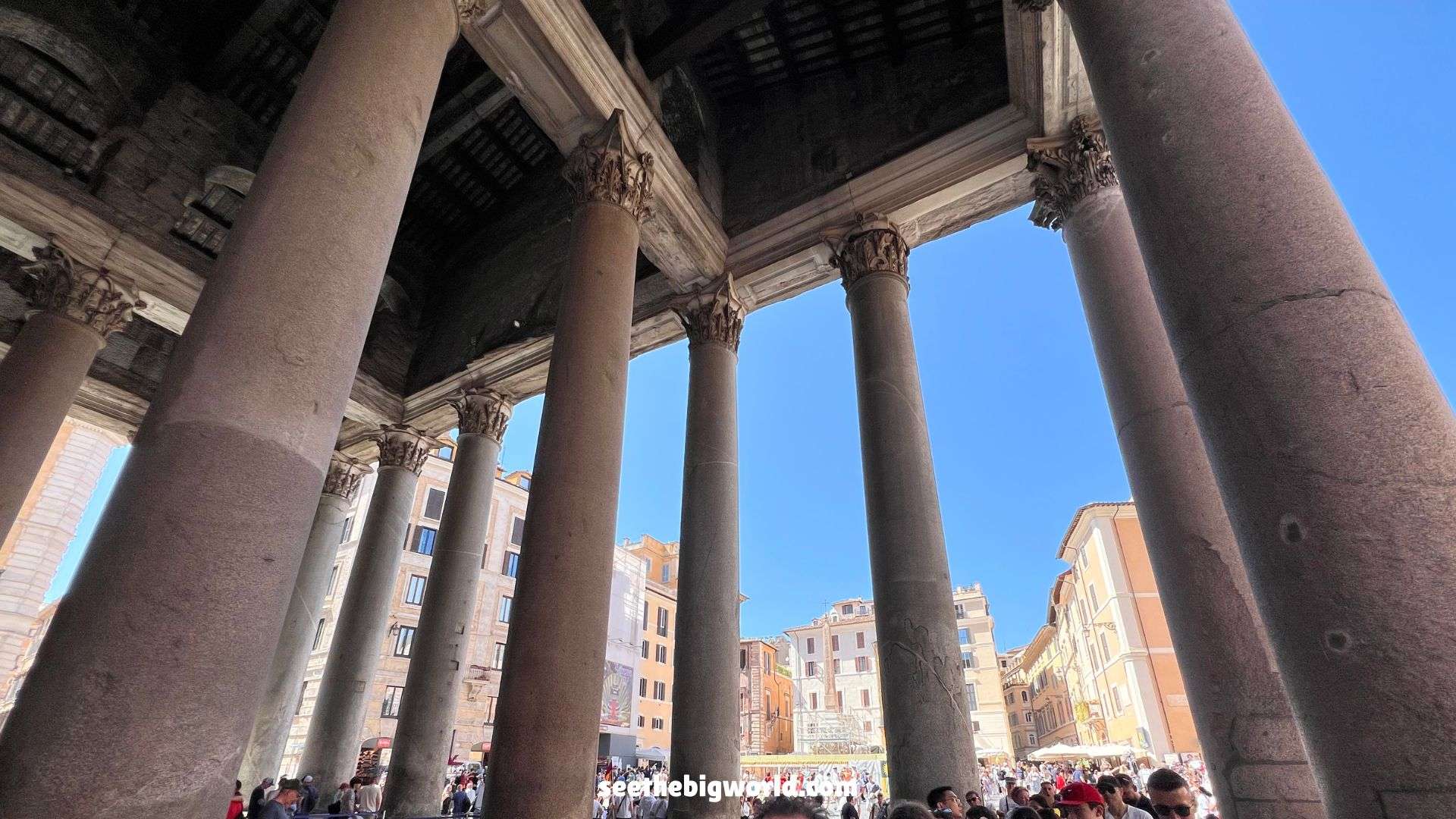
When I was there, the credit card line was incredibly long, requiring at least a 20-minute wait, while the cash line took about 10 minutes, and you’re sheltered under the columns while waiting (maybe fewer people carry cash these days?). If you don’t want to wait even 10 minutes, I recommend buying your tickets online in advance. I’ll share the ticket link below.
Highlights of Pantheon Rome (Multiple Images)
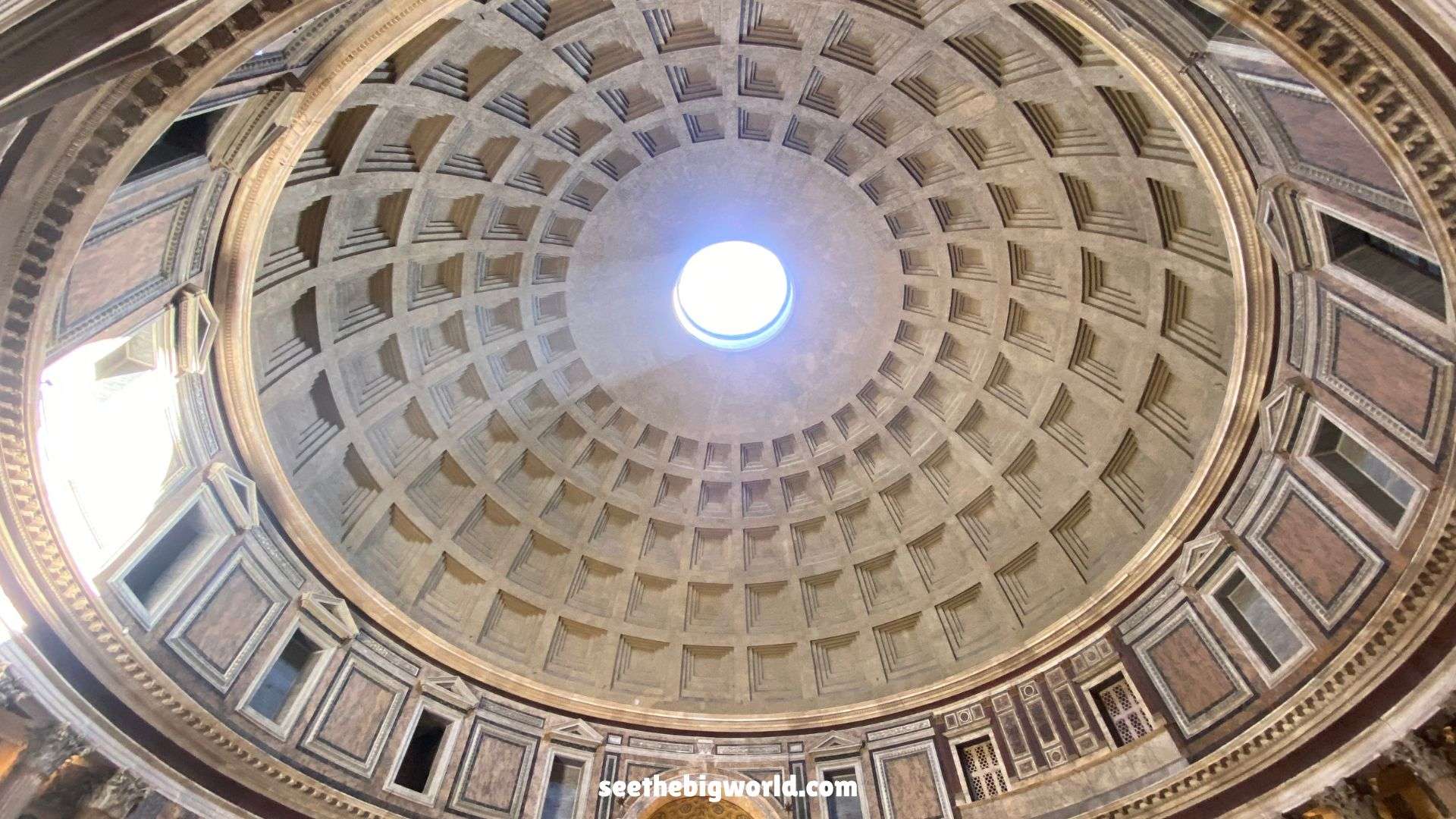
1. Giant Dome and Oculus
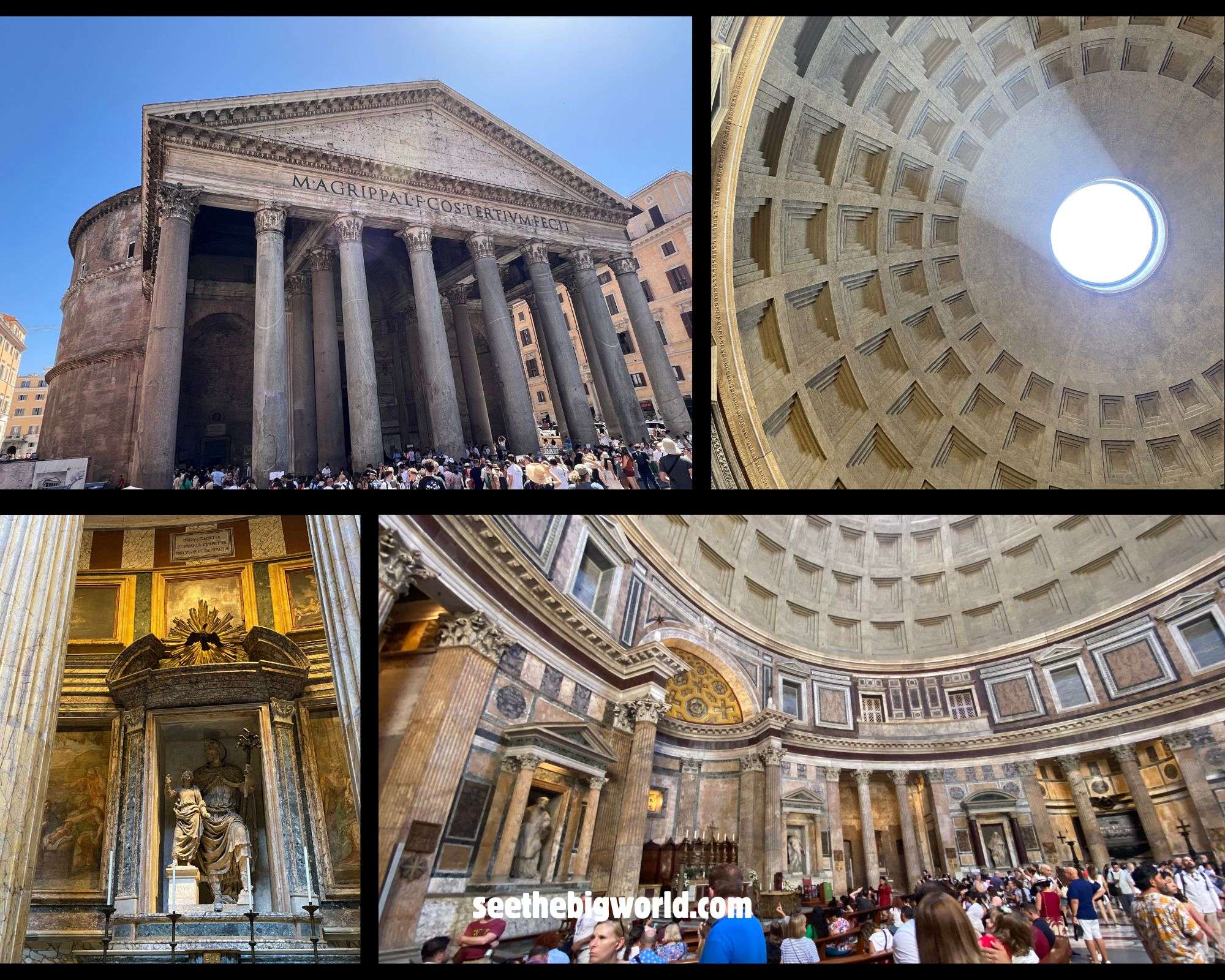
The most famous feature of the Pantheon is its enormous dome, with a diameter of 43.3 meters, making it the largest unreinforced concrete dome in the world. At the centre of the dome is a circular oculus, 9 meters in diameter, which is not only a technical marvel of architectural design but also symbolizes communication with the gods. The oculus allows natural light to filter in, and as the time of day and seasons change, the light creates unique visual effects inside the Pantheon.
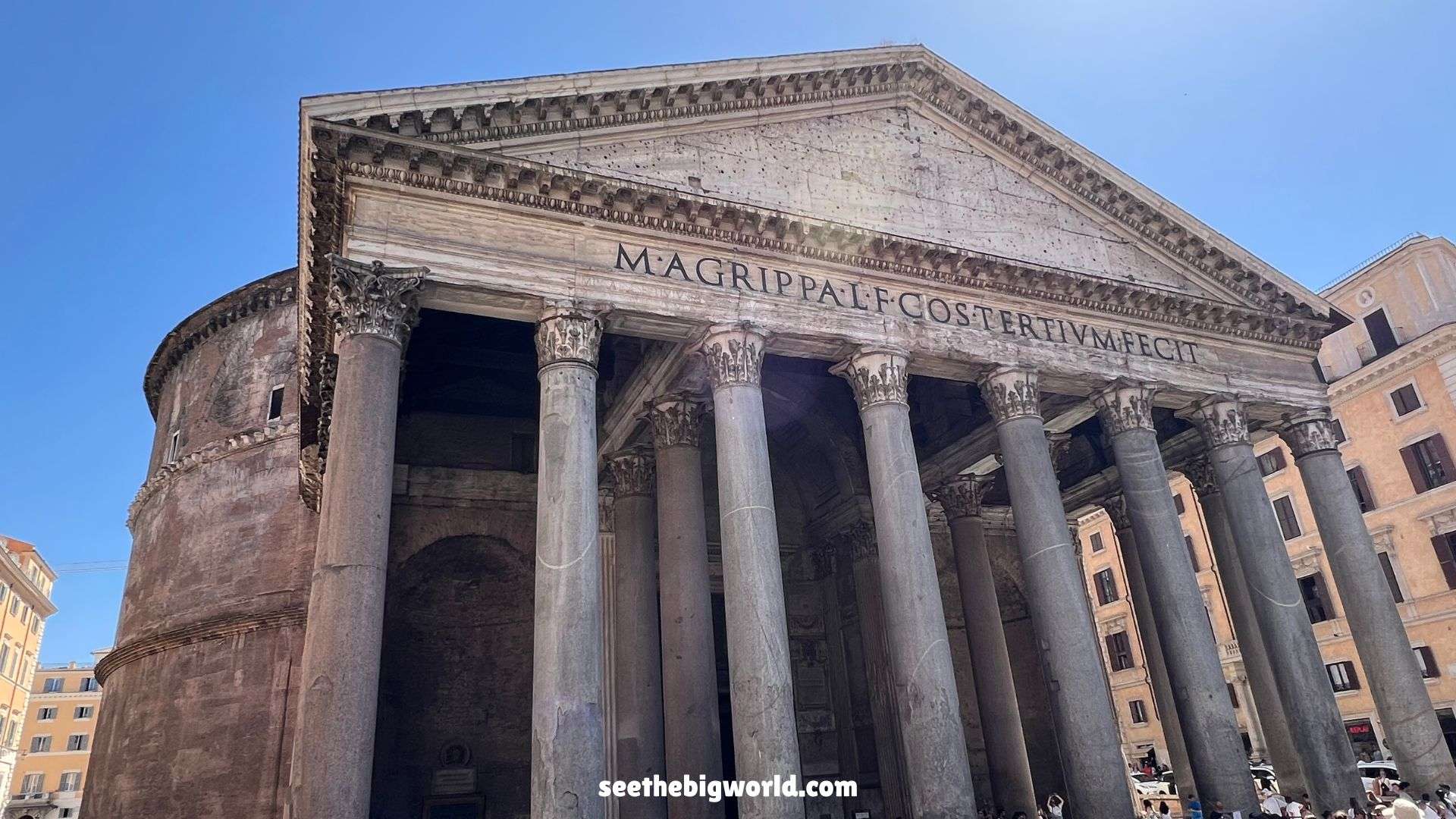
2. Corinthian Columned Entrance
The entrance to the Pantheon is supported by 16 majestic Corinthian columns made of granite. These columns showcase the ancient Romans’ excellence in sculpture and architecture. The intricate carvings on the columns reflect the Romans’ pursuit of aesthetics and structural perfection. These columns not only serve as structural supports but also form a grand gateway into this monumental building.
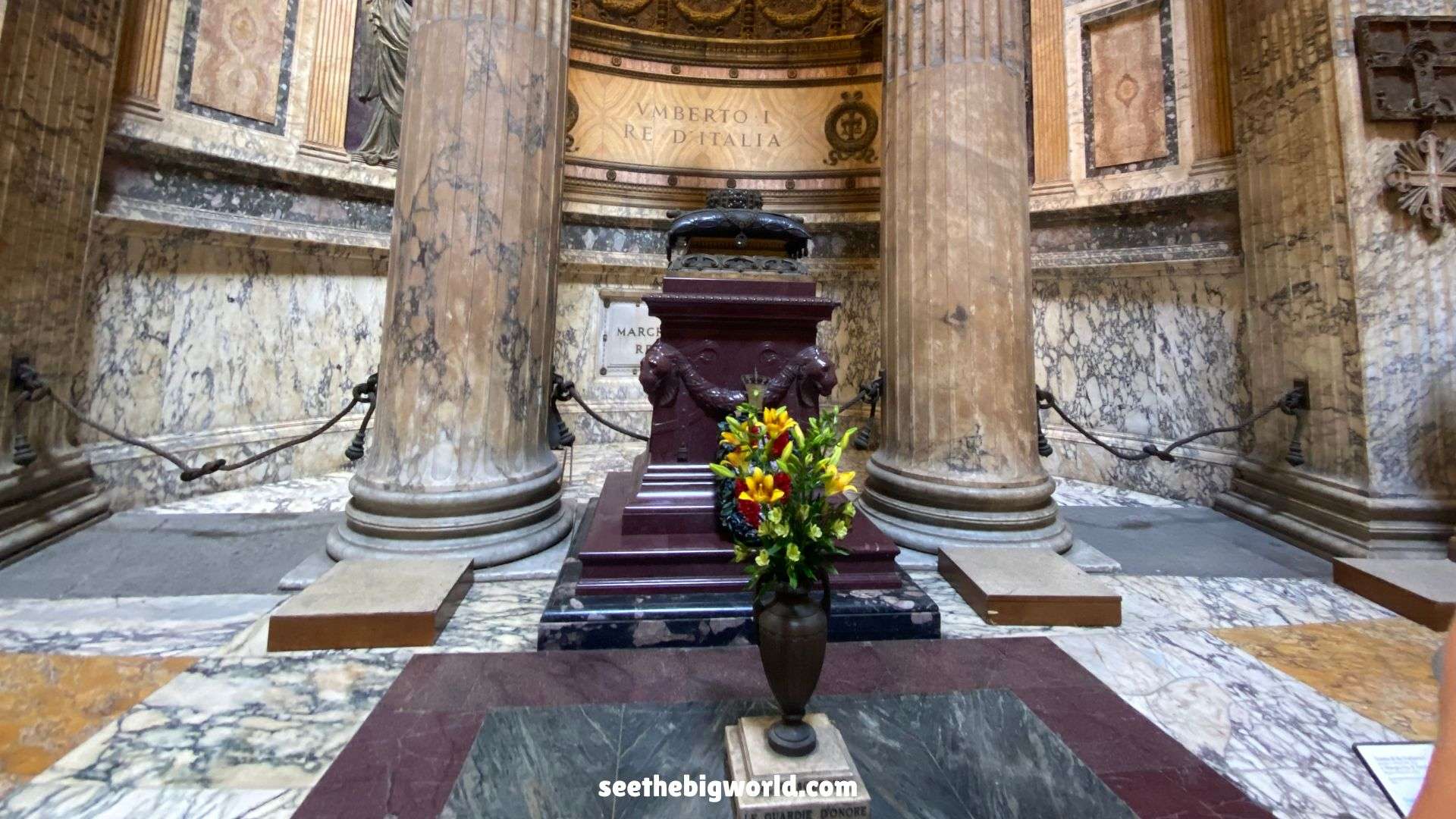
3. Internal Niches and Decoration
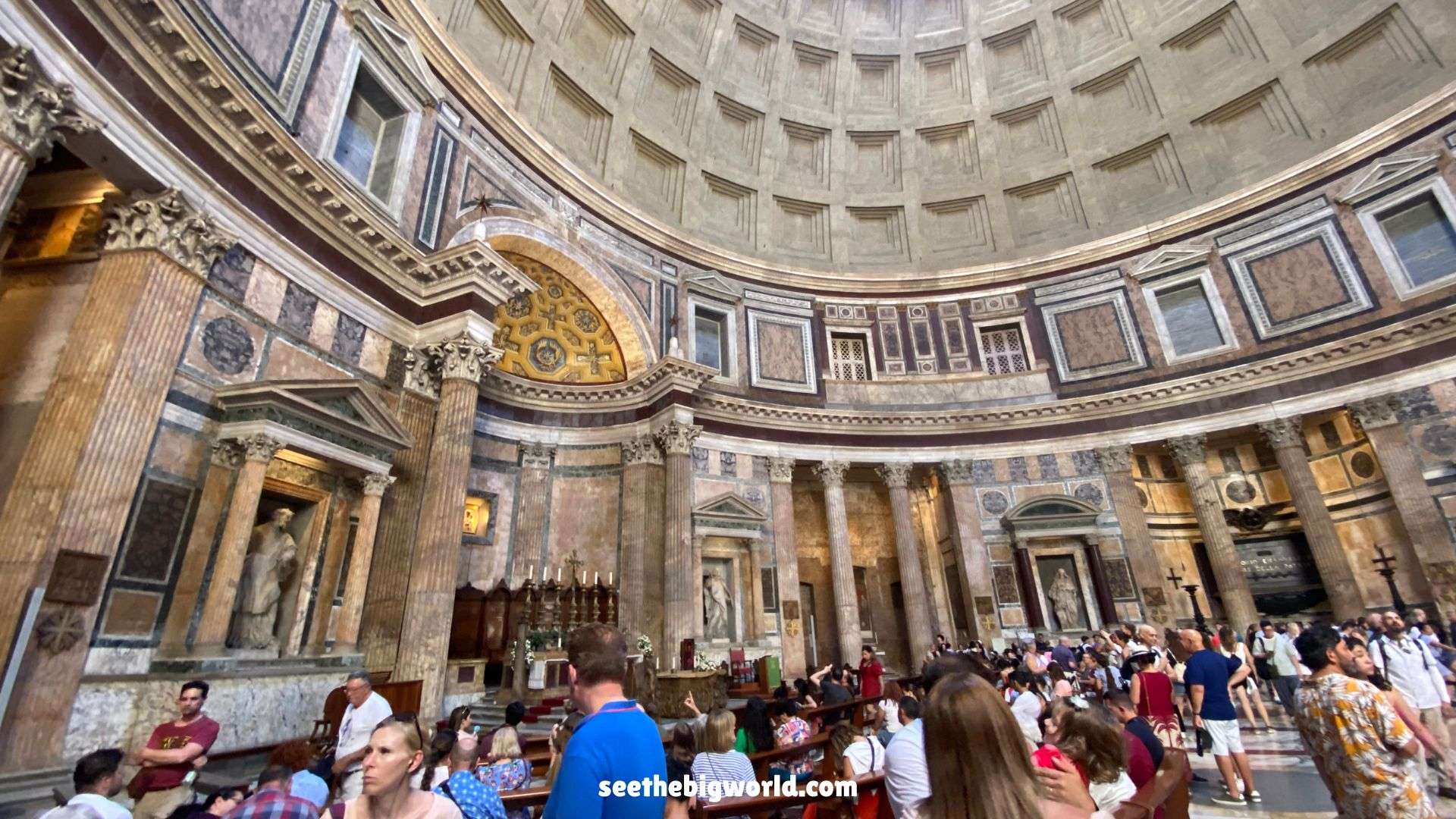
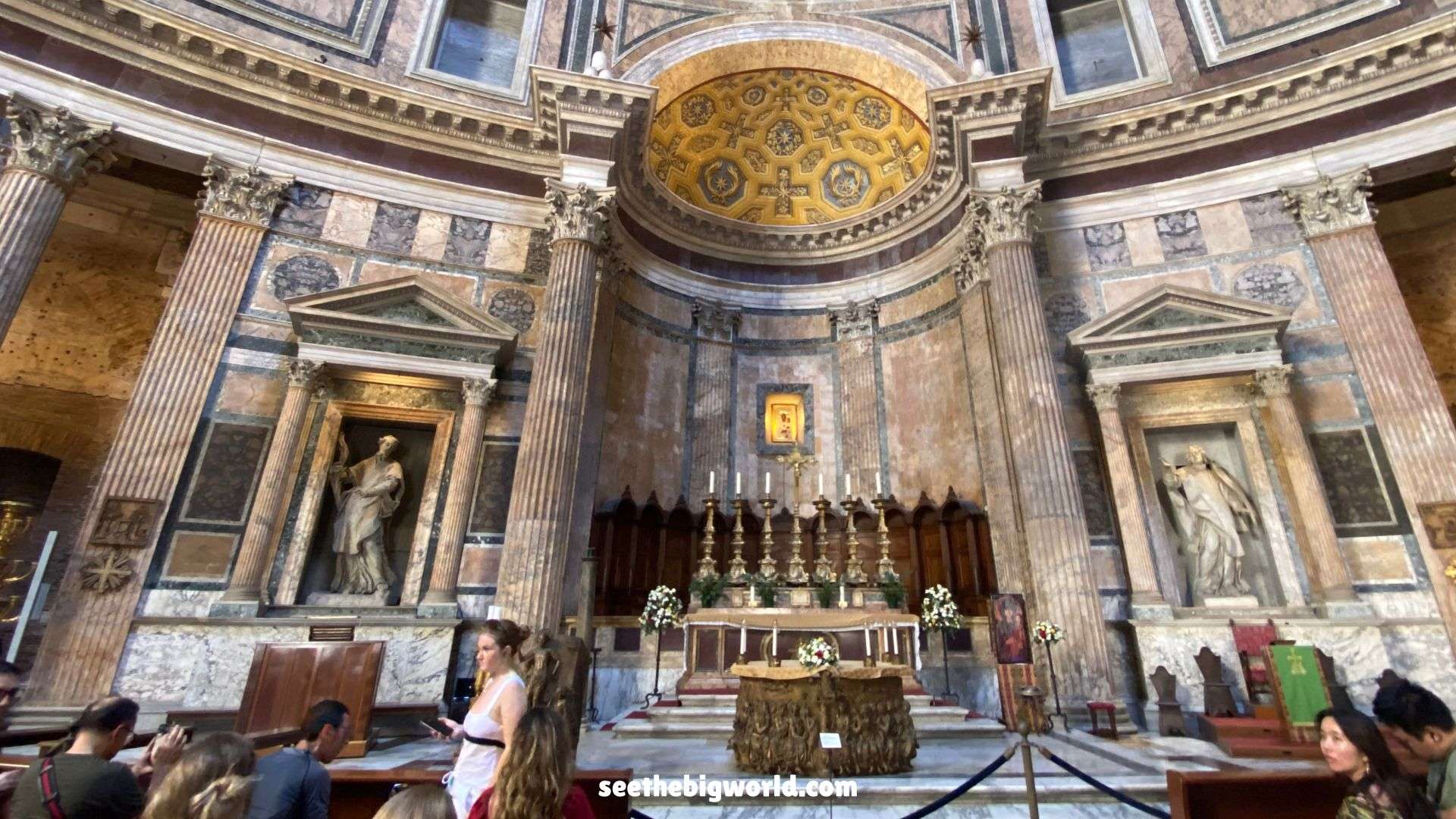
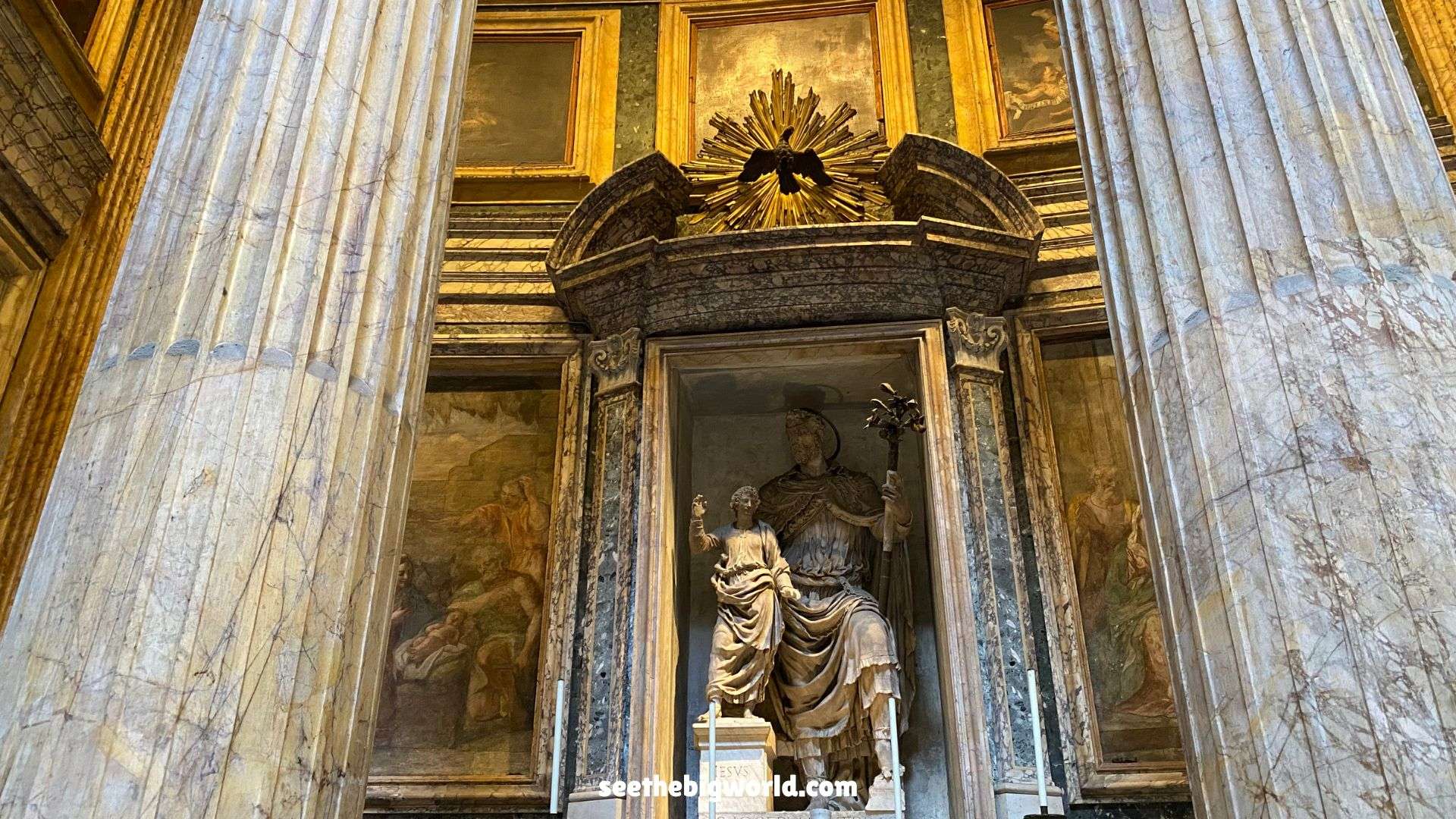
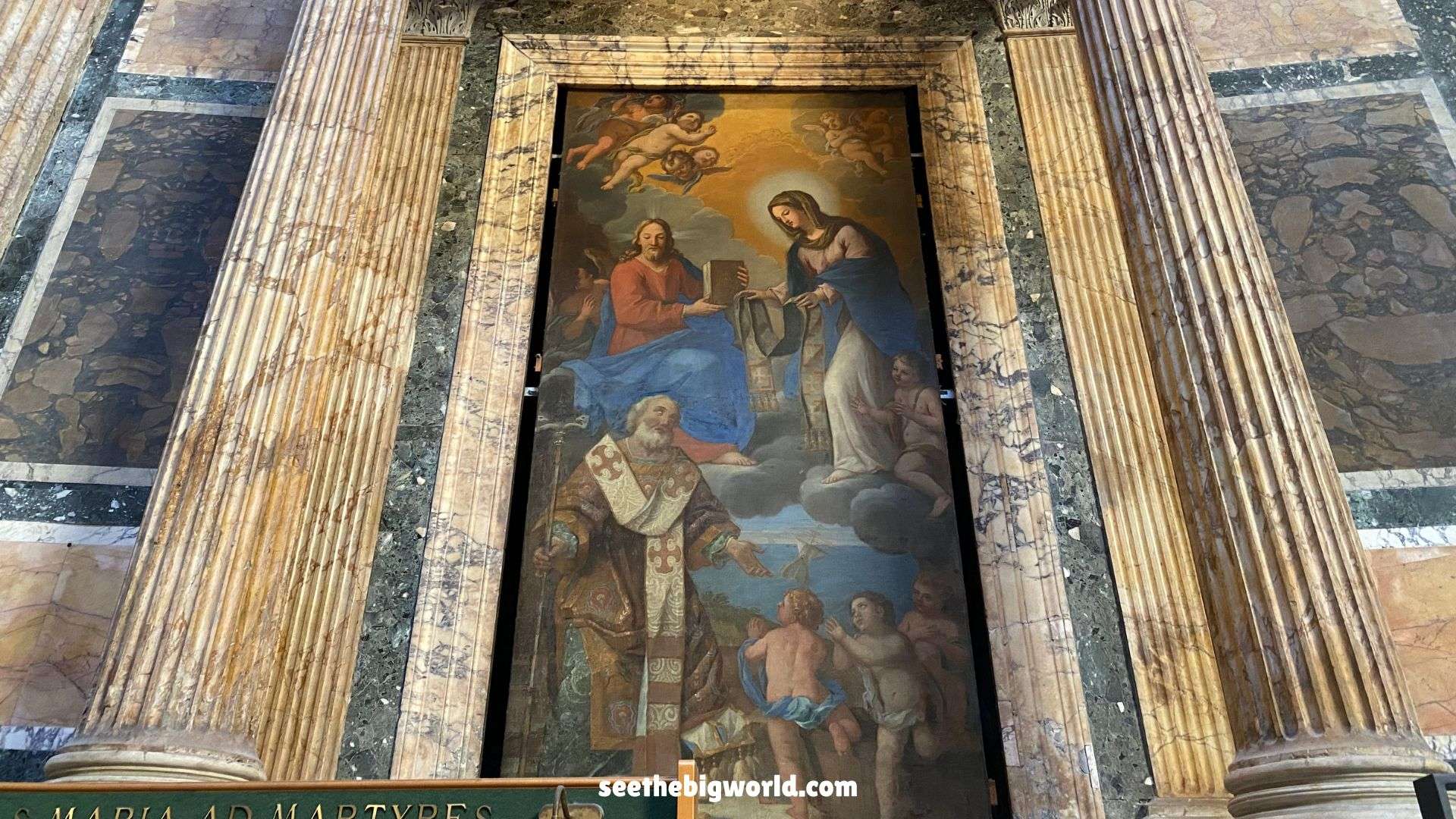
The interior of the Pantheon features opulent niches and decoration, showcasing the finest of Roman art and religious heritage. The niches house numerous sculptures of deities and historical figures, reflecting the religious beliefs and social culture of the time. The detailed decorations of the dome and portico are a testament to the ancient Roman artists’ exceptional craftsmanship. These decorations and sculptures continue to deeply resonate with visitors today.
Read More
City Guides:Rome|Milan|Florence|Venice|Cinque Terre
Rome Articles:Colosseum|Pantheon|Spanish Steps|Trevi Fountain|Vatican Museums|St. Peter’s Basilica
Milan Articles:Duomo di Milano|Galleria Vittorio Emanuele II|The Last Supper
Passes:Euro Train Pass|Roma Pass|Omnia Card
Colosseum:Get Your Guide|KLOOK
Vatican Museums:Get Your Guide|KLOOK
Duomo di Milano:Get Your Guide|KLOOK
Florence Cathedral:Get Your Guide|KLOOK