Updated on 05/01/2026 | Published on 18/12/2024
Recinte Modernista de Sant Pau Review - Recinte Modernista de Sant Pau is another must-see gem of modernist architecture in Barcelona. This article provides an overview of its historical background, architectural highlights, best visiting times, ticket information, and transport guide to help you effortlessly plan your trip.
Recinte Modernista de Sant Pau Visitor Info Pack
- How to Get There:Metro (L5): Get off at Sant Pau | Dos de Maig station, then walk about 5 minutes; or walk about 15 minutes from Sagrada Família
- Opening Hours:Apr–Oct: 09:30–18:30; Nov–Mar: 09:30–17:00 (last entry 30 minutes before closing)
- How Long to Spent:Around 1–2 hours; allow an extra 30–60 minutes if you add a guided tour
- Tickets:Check latest prices & booking options
- General Ticket: Access to the site and exhibition areas (scope depends on ticket type)
- Guided Ticket: Includes a guide or audio tour
- Free Entry with Go City Barcelona Pass
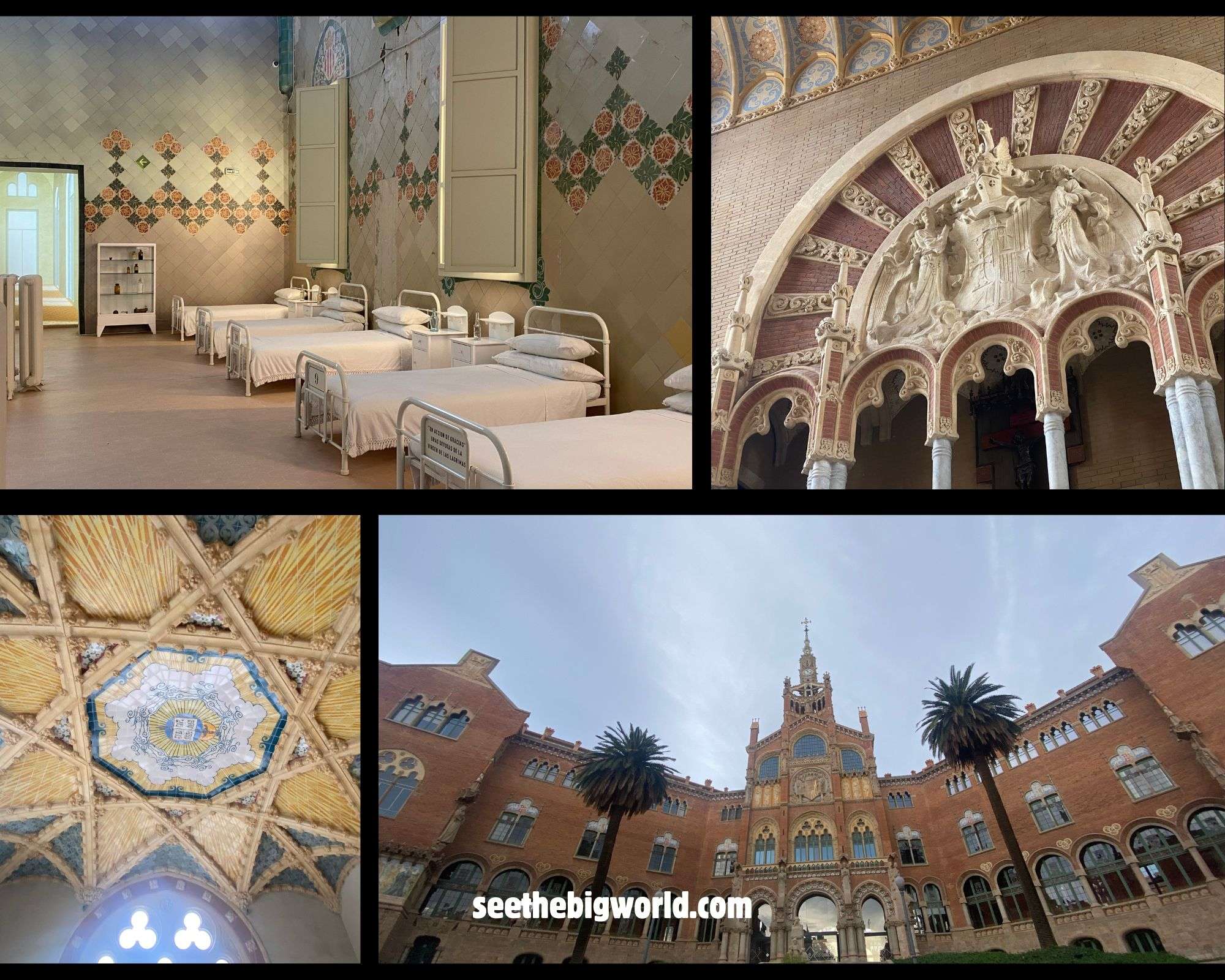
History & Highlights of Recinte Modernista de Sant Pau
Recinte Modernista de Sant Pau was designed by renowned Catalan architect Lluís Domènech i Montaner and completed in 1930. Once the largest modernist architectural complex in the world, it was originally built to provide medical care for the poor and has since been transformed into a cultural and exhibition space.
This hospital is a perfect blend of functionality and artistry, embodying Domènech’s architectural vision of human-centred design and naturalist principles. In 1997, it was designated a UNESCO World Heritage Site, alongside the Palau de la Música Catalana, as a landmark of modernist architecture.
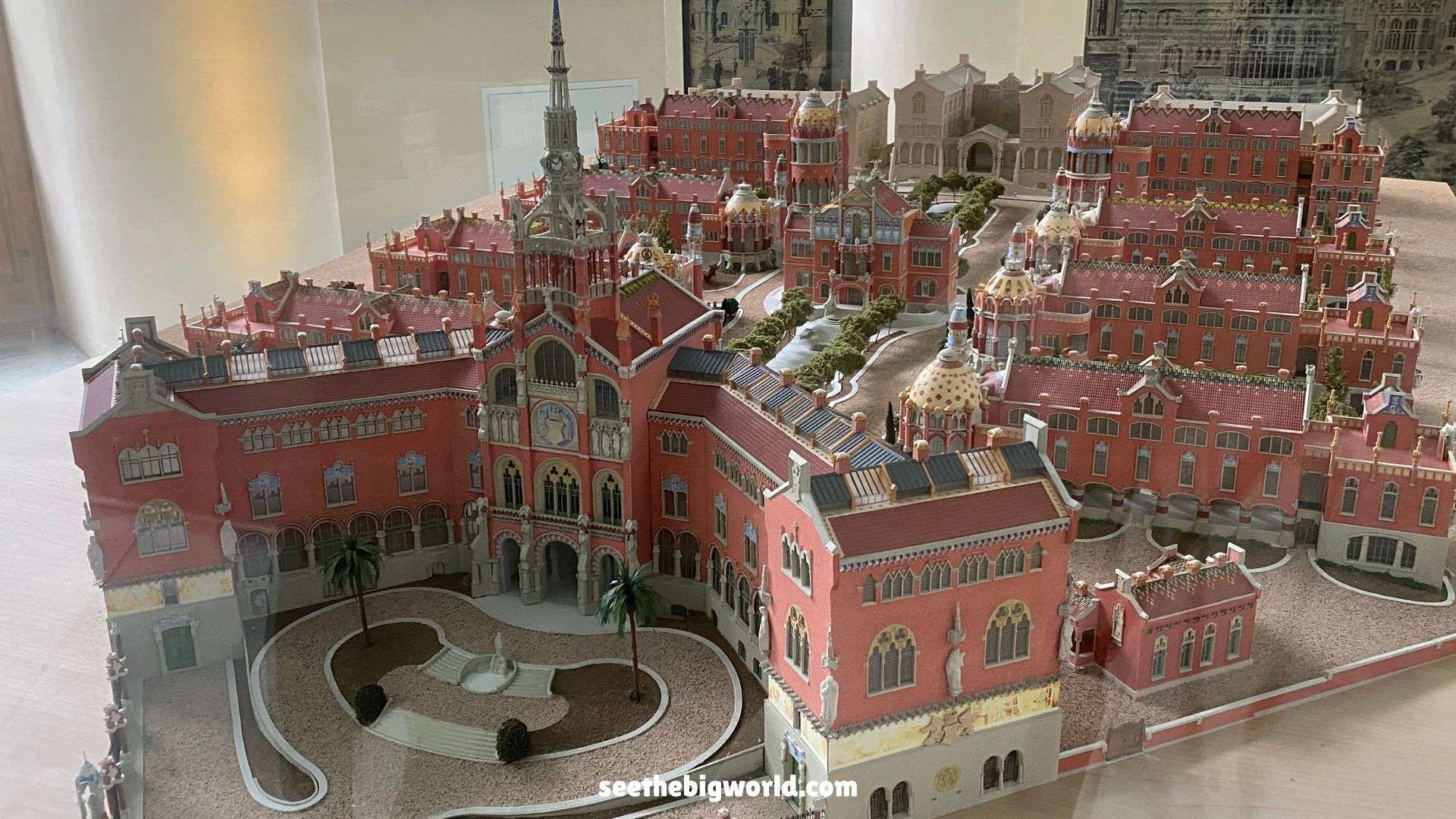
Connection Between Domènech and Gaudí
The designer of Recinte Modernista de Sant Pau, Domènech, was the mentor of Antoni Gaudí, profoundly influencing Gaudí’s architectural philosophy. Domènech emphasised that buildings should harmonise with the natural environment and serve human needs, a principle that Gaudí carried forward and exemplified in his own works.
The Hospital and Gaudí’s Tragedy
Recinte Modernista de Sant Pau shares a tragic connection with Antoni Gaudí. In 1926, Gaudí was struck by a tram near the Sagrada Família. Mistaken for a homeless man due to his humble appearance, he was brought to Sant Pau for treatment. Despite the medical care provided, Gaudí’s injuries were too severe, and he tragically passed away in the hospital.
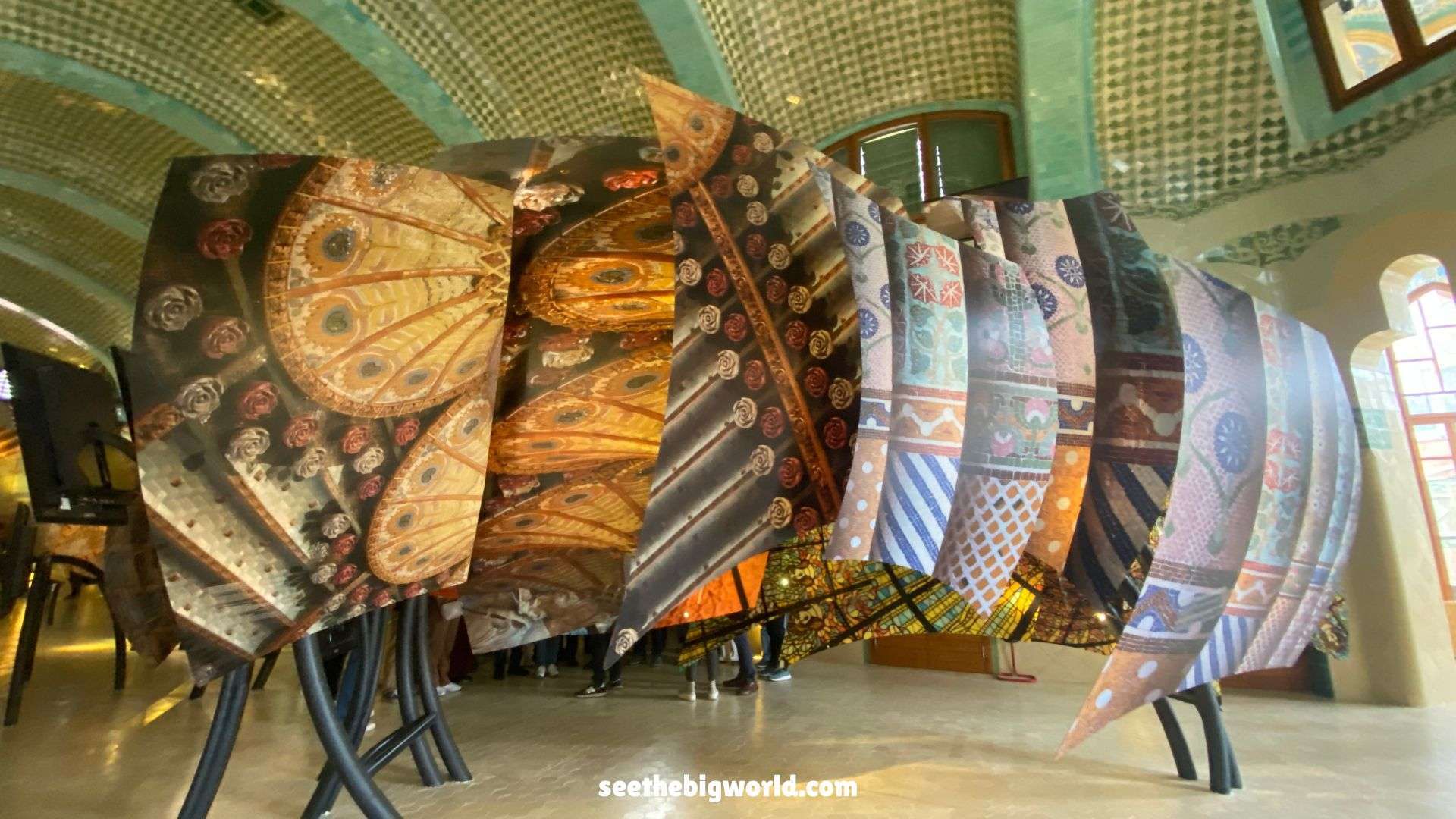
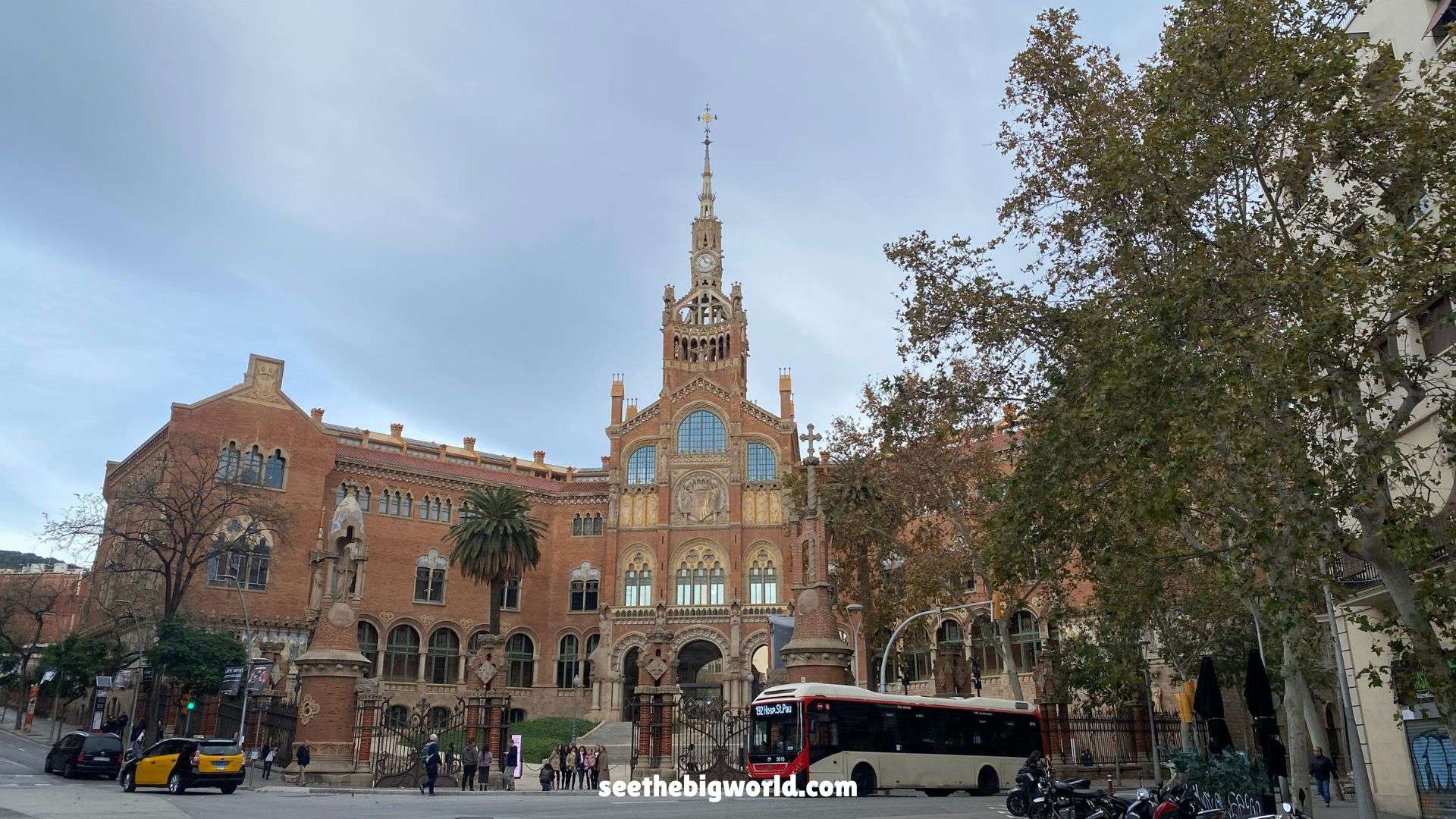
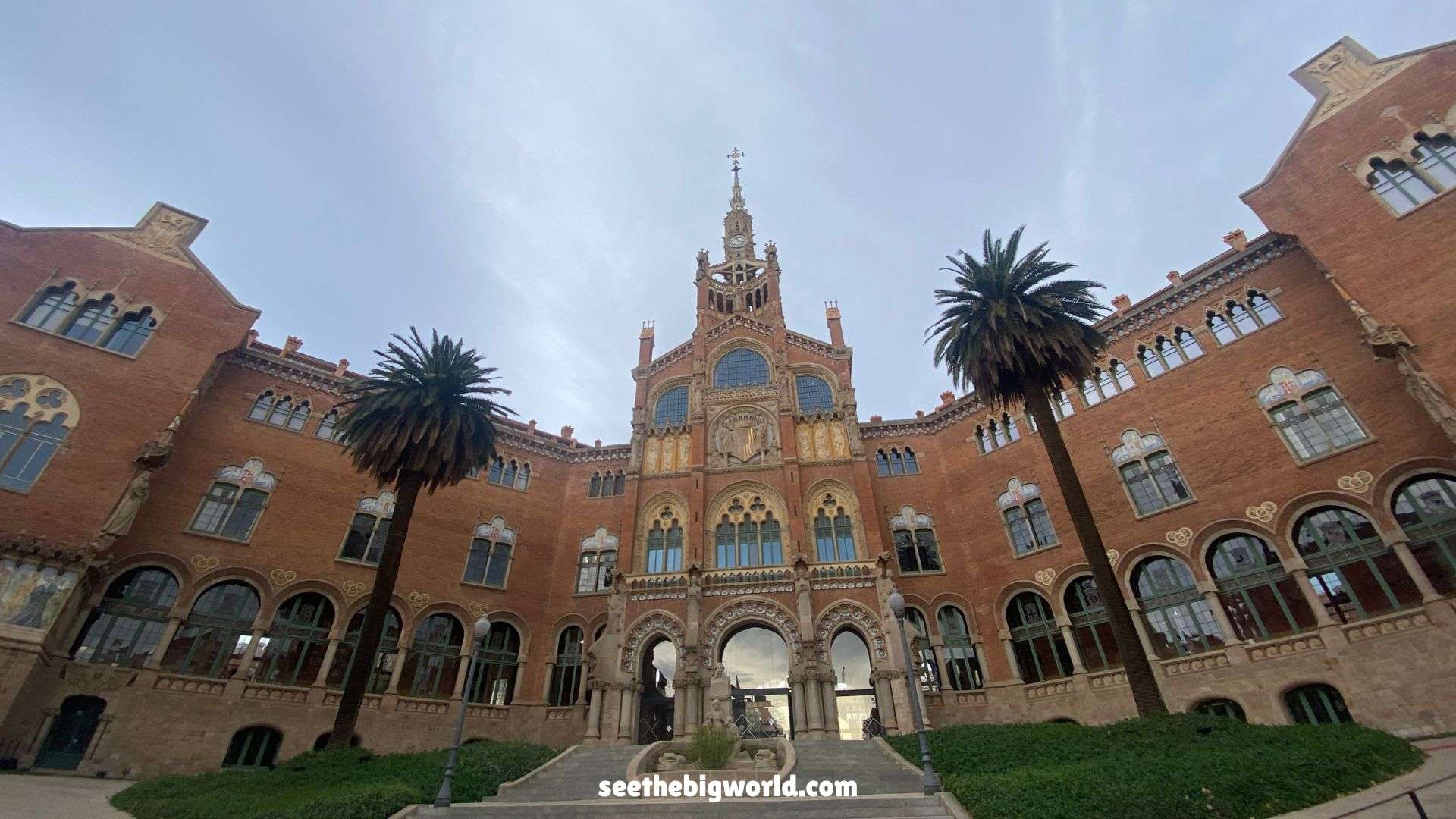
Highlights of Recinte Modernista de Sant Pau (Multiple Images)
1. Central Courtyards and Landscape Design
The hospital features several lush green courtyards, offering patients a comfortable healing environment. These courtyards are a key highlight of the architectural design, embodying the harmonious integration of architecture and nature.
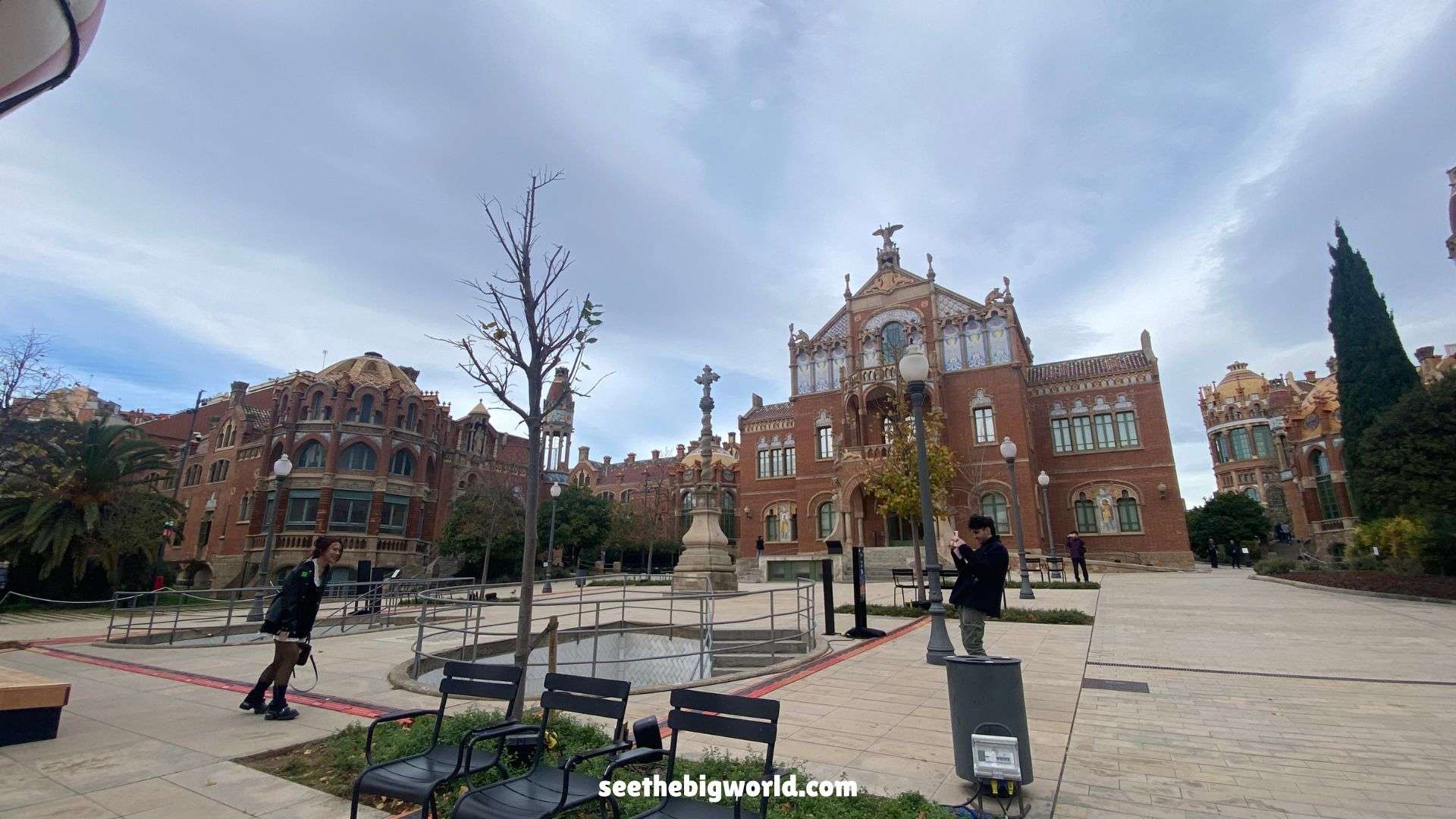
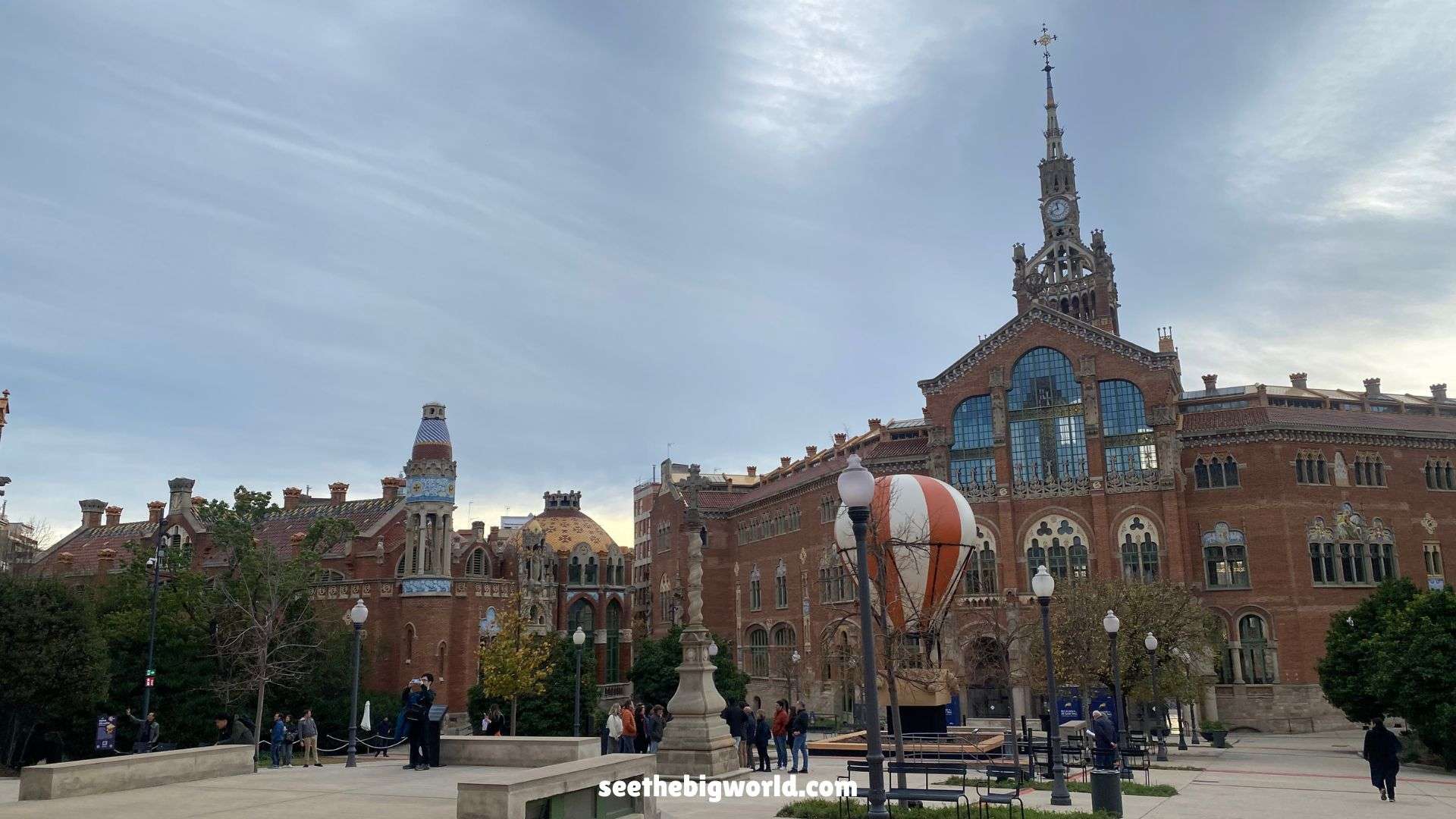
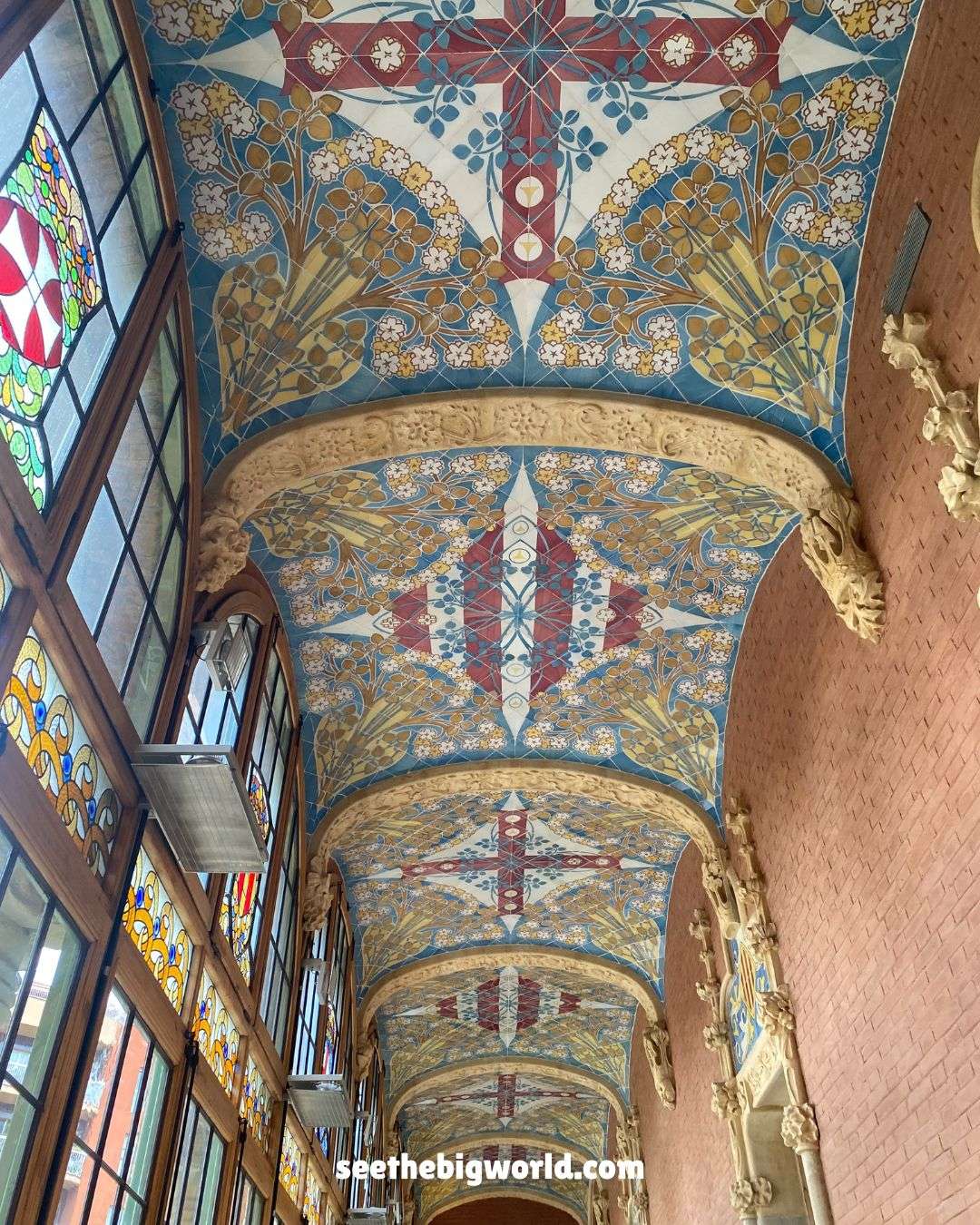
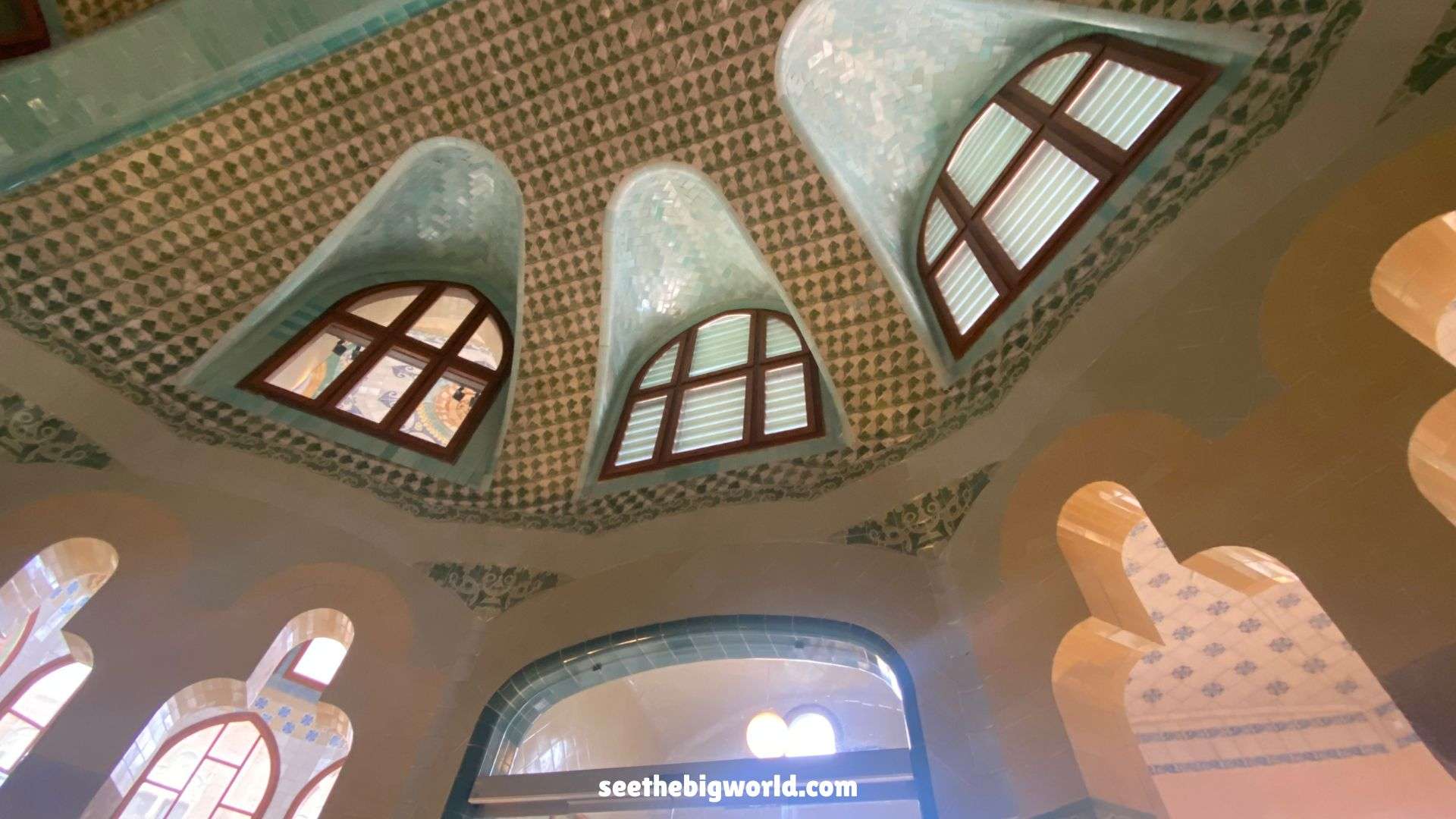
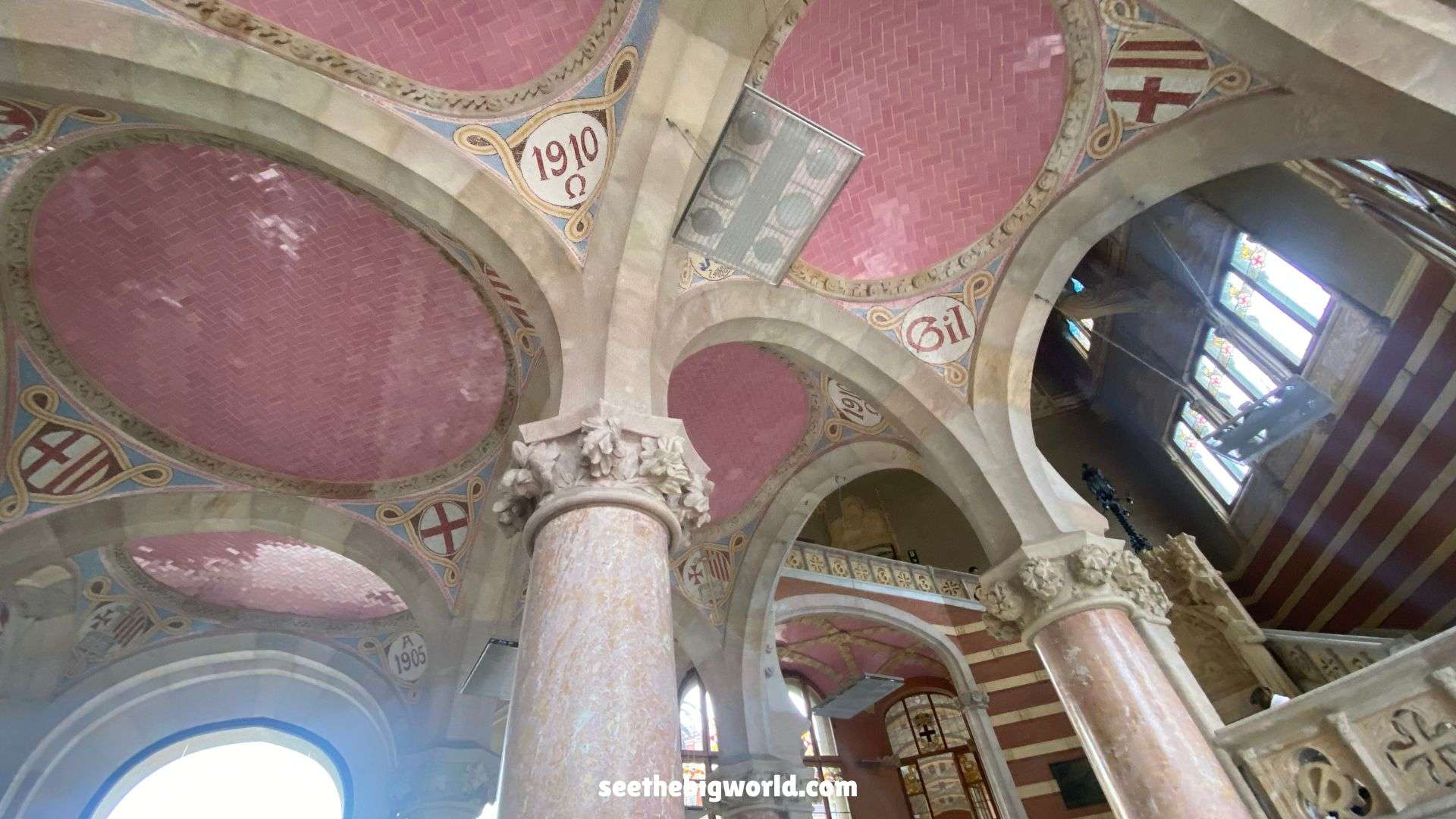
2. Colourful Mosaics and Arched Architecture
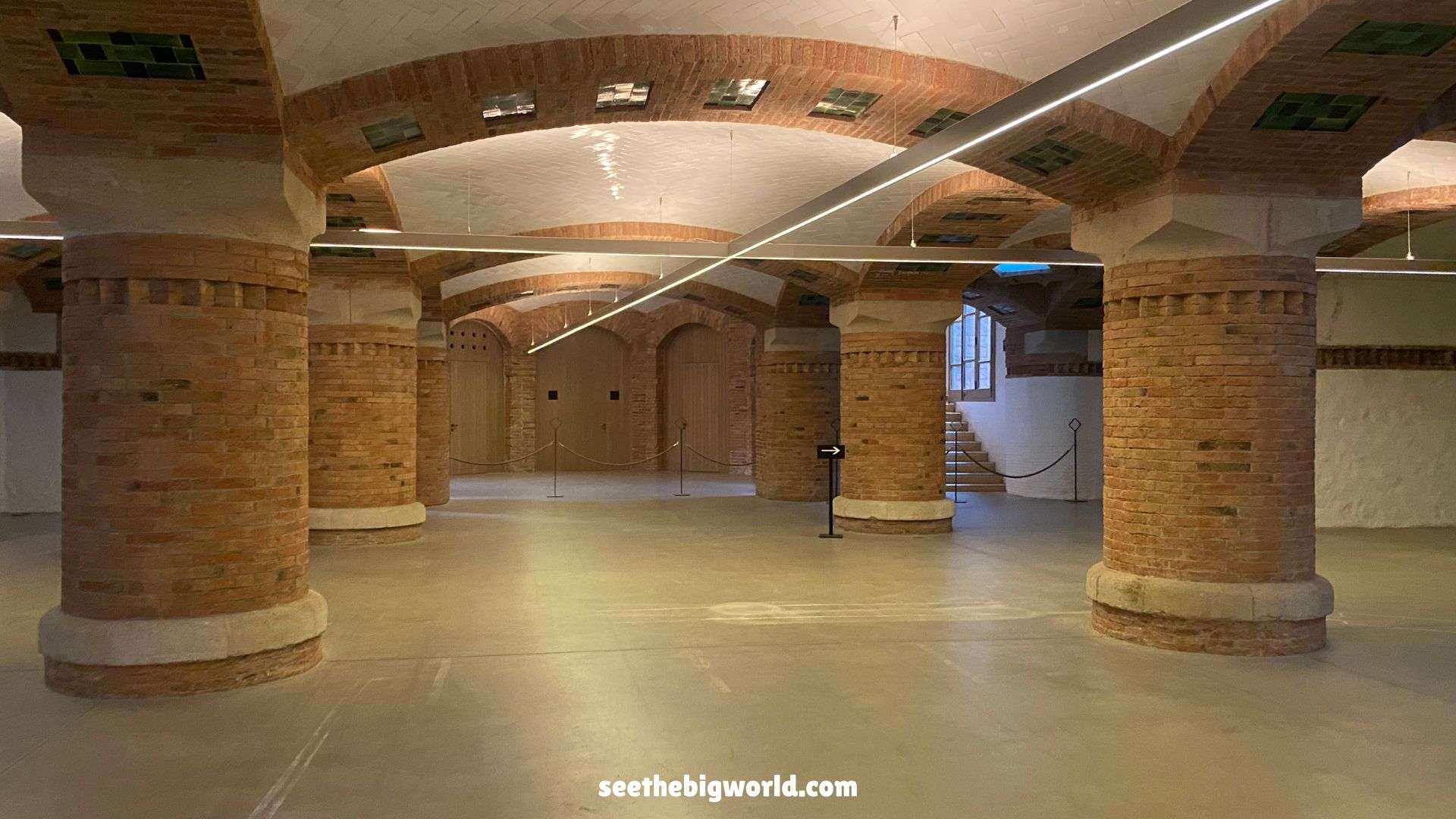
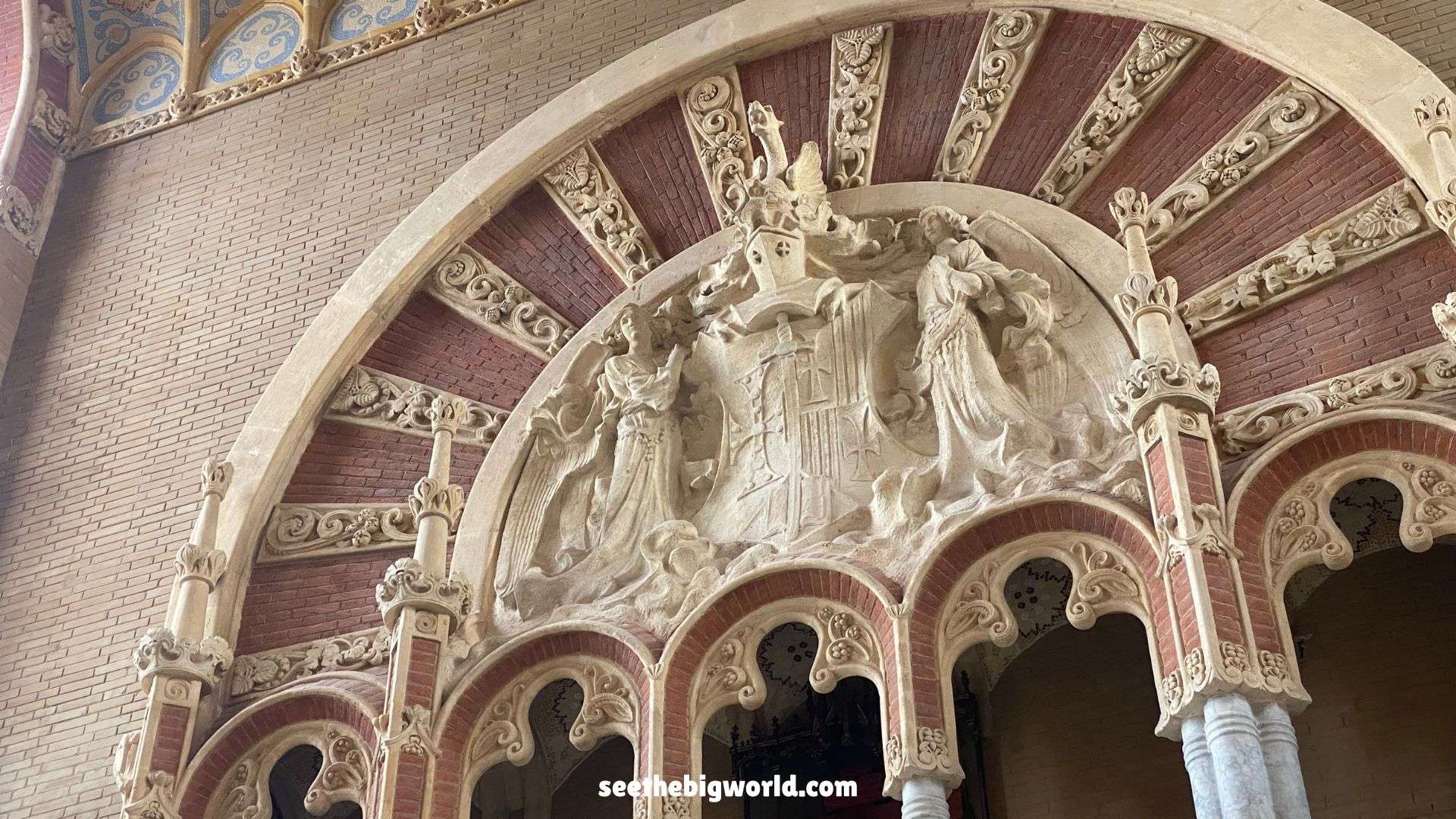
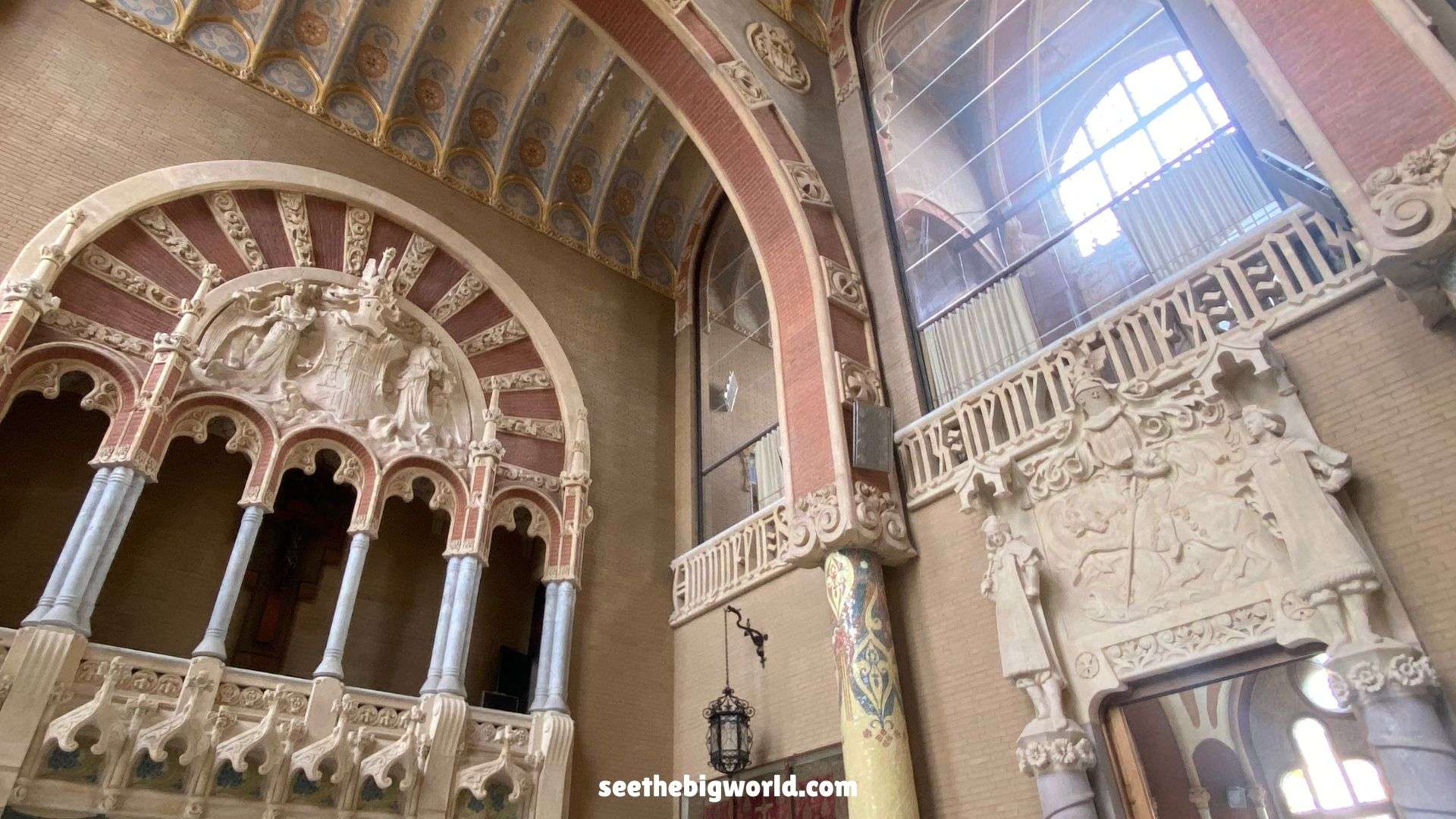
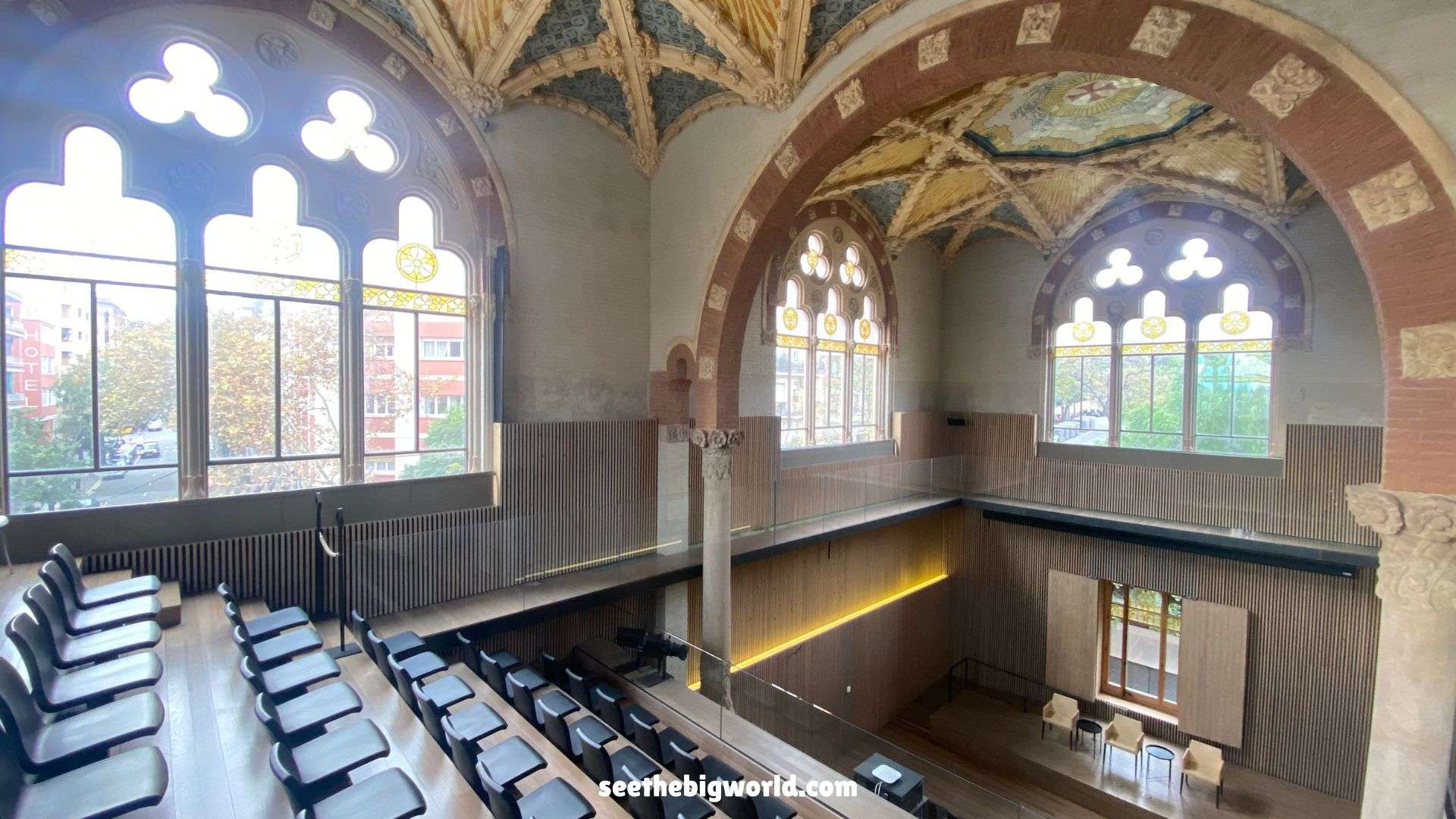
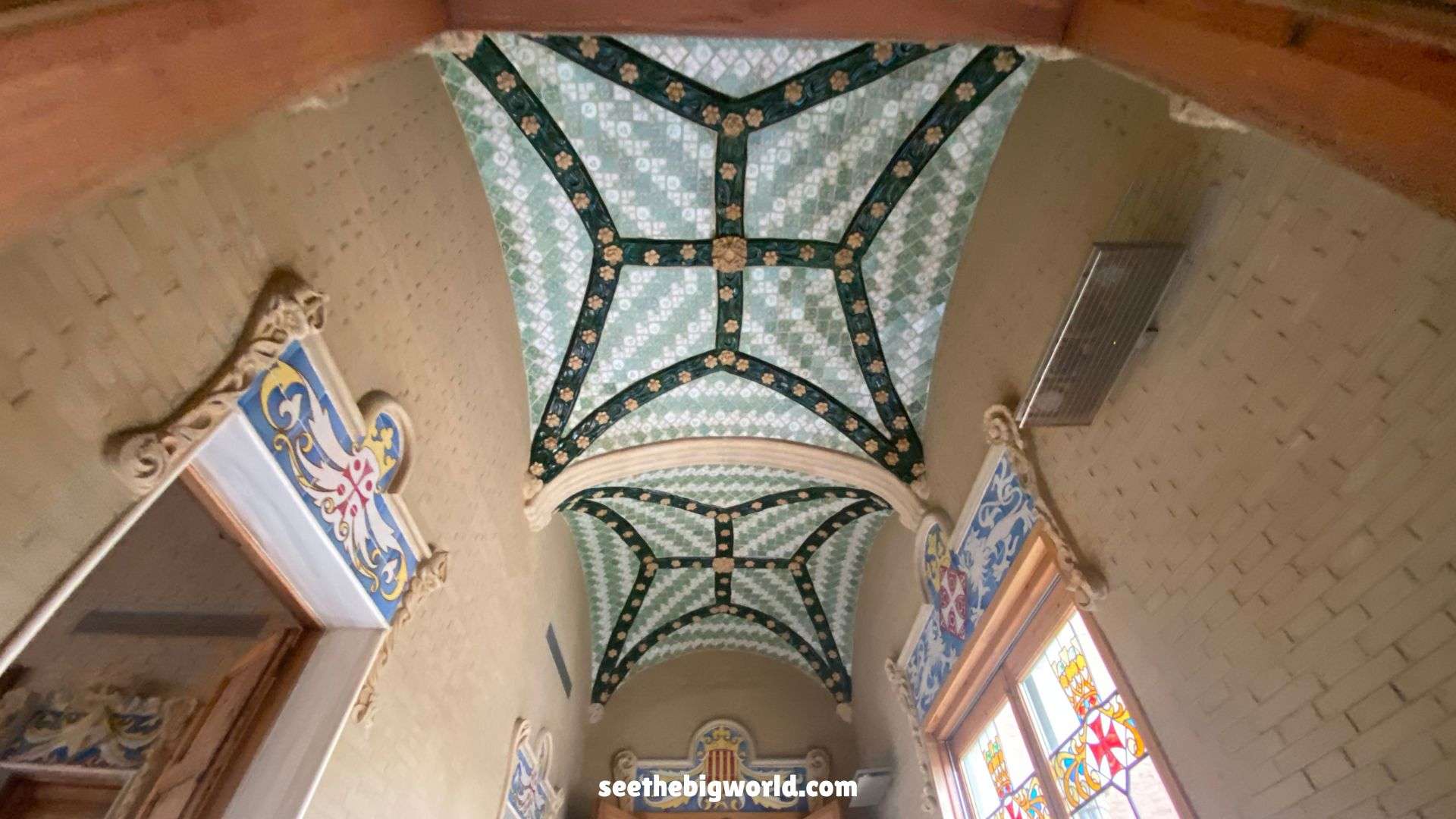
Many buildings in the complex are adorned with vibrant coloured mosaics, complemented by arched roofs and stained glass windows, showcasing the artistic traits of Catalan Modernism.
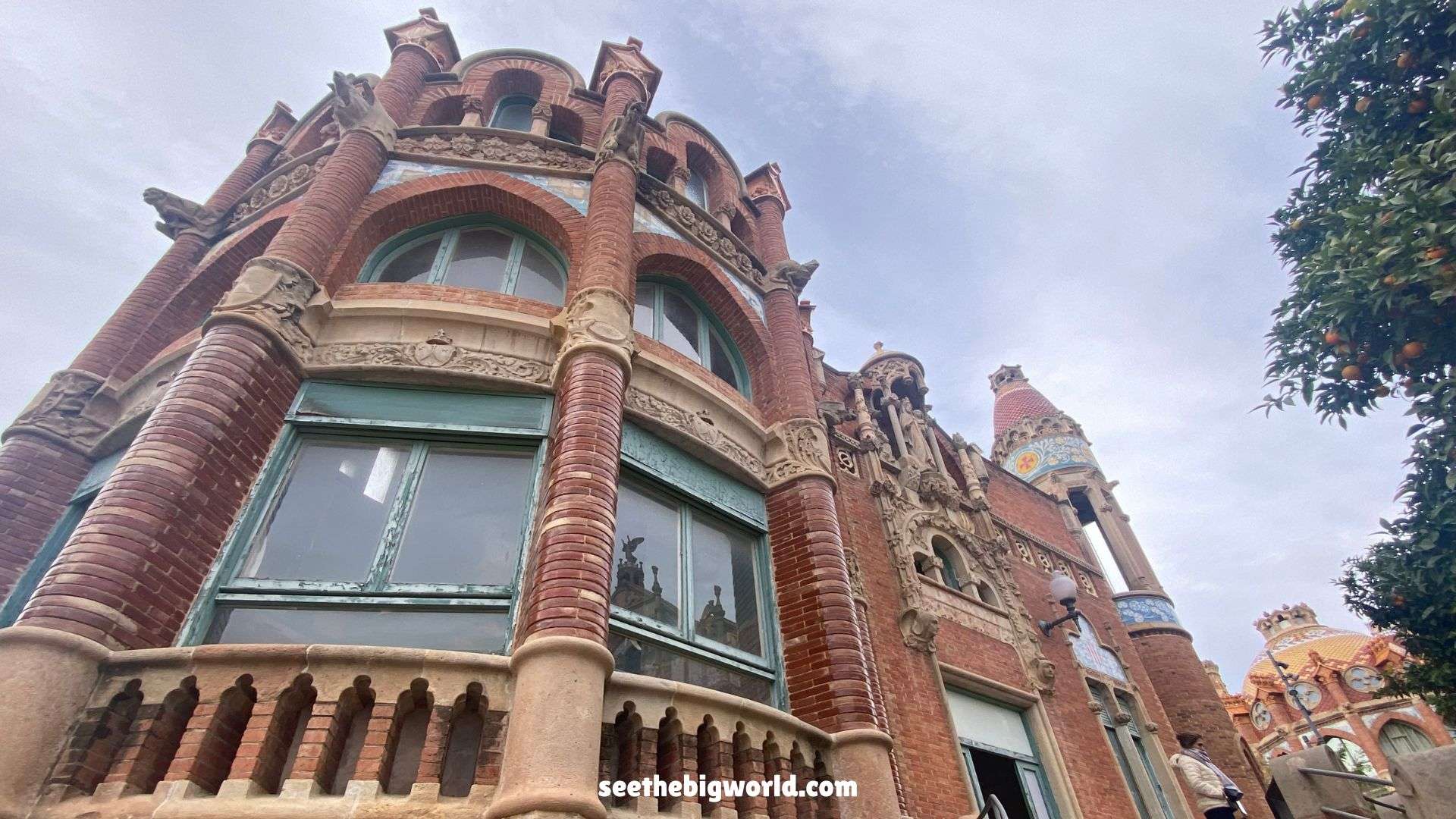
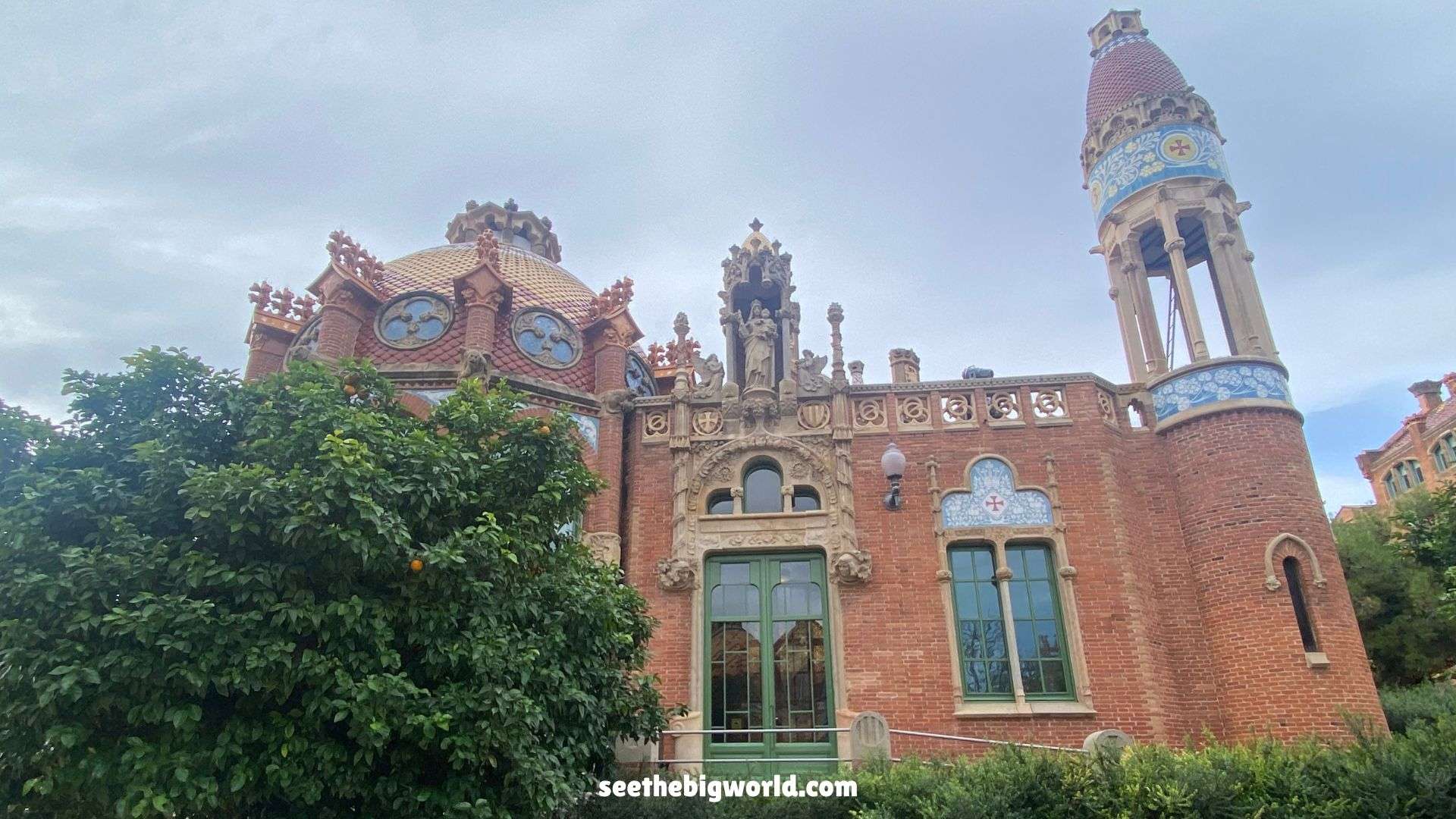
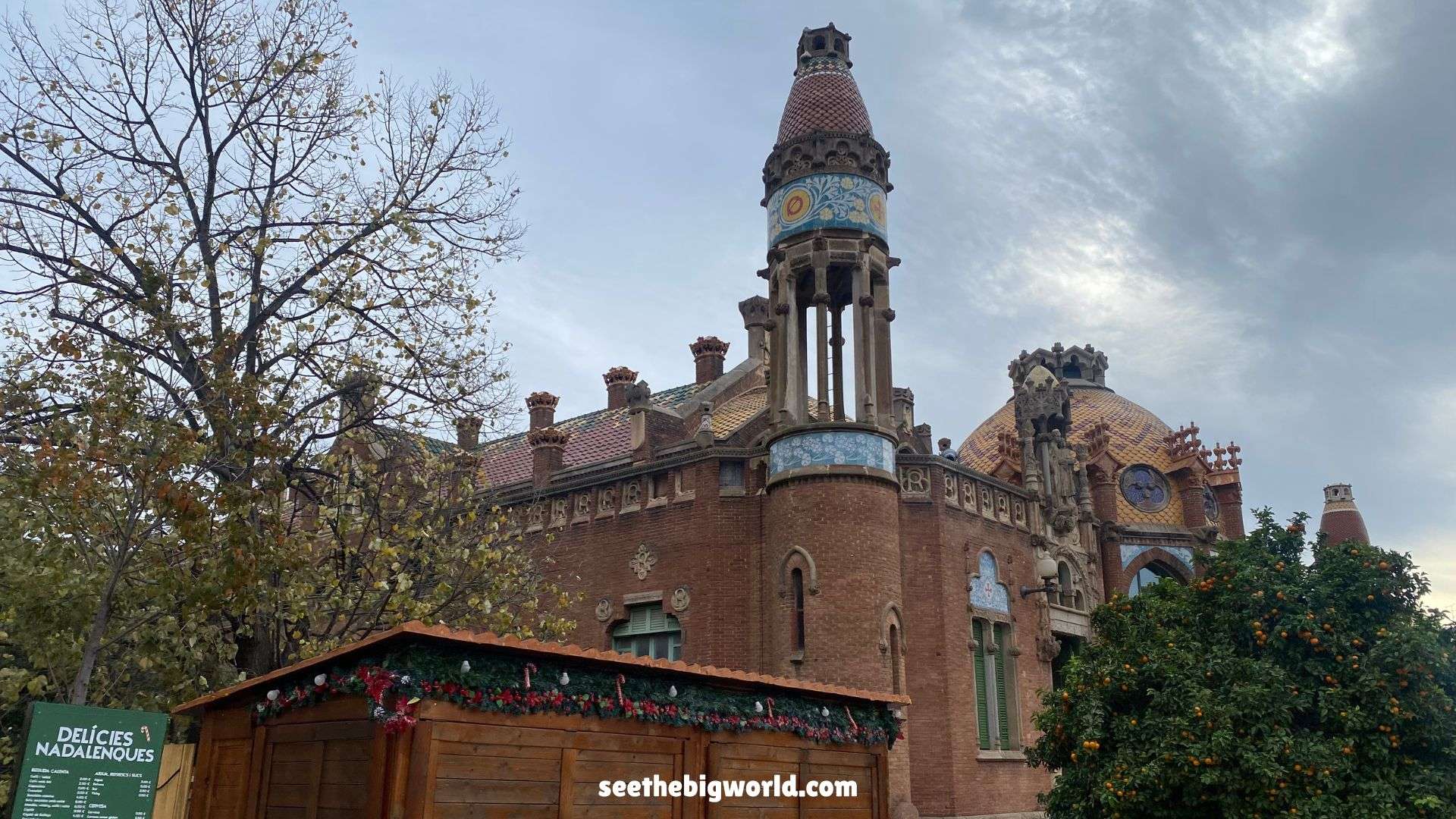
3. Patient Ward Buildings and Human-Centred Design
Each patient ward building is thoughtfully designed, incorporating ample natural light and ventilation systems, reflecting the advanced medical facility concepts of the time.
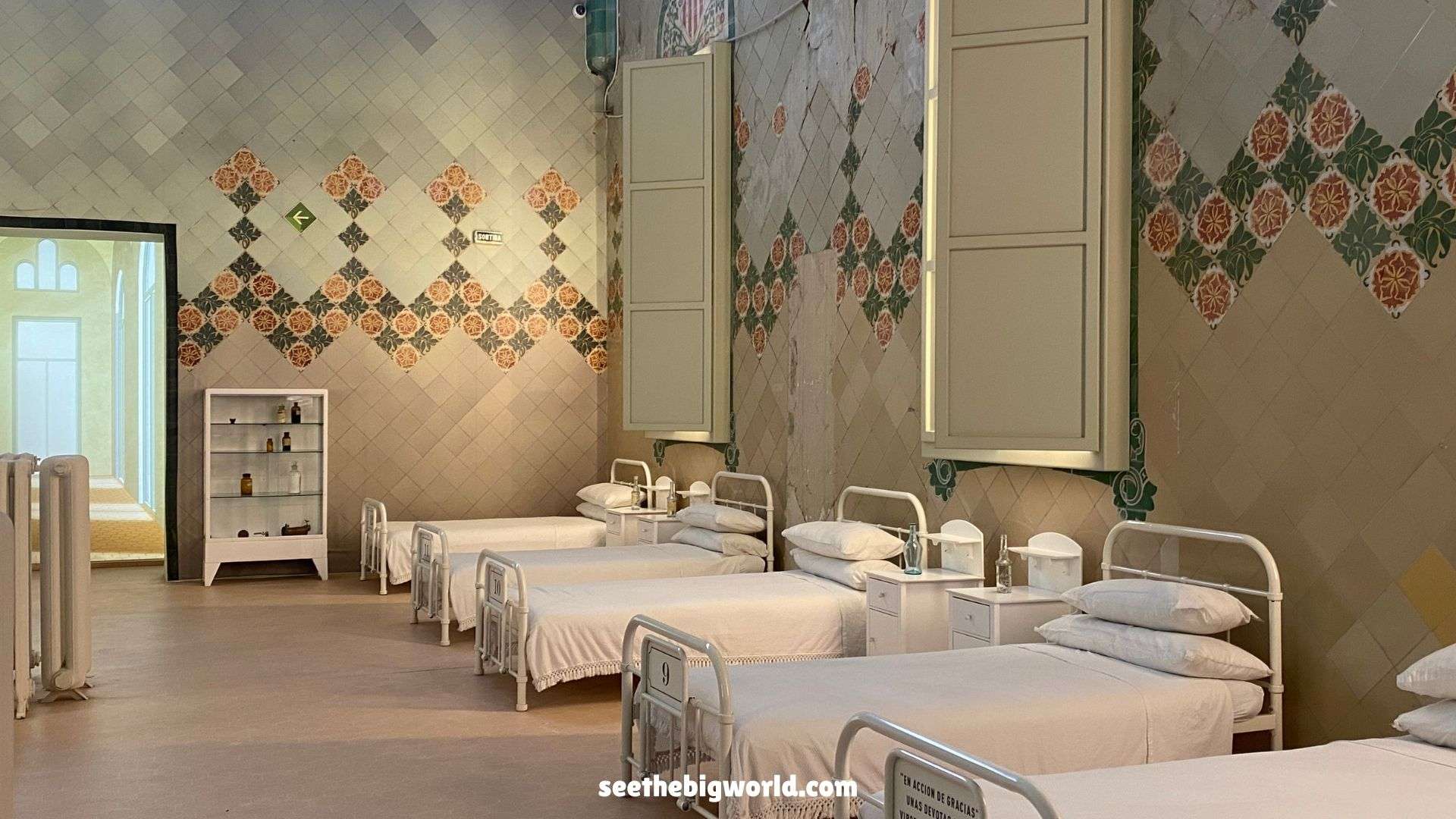
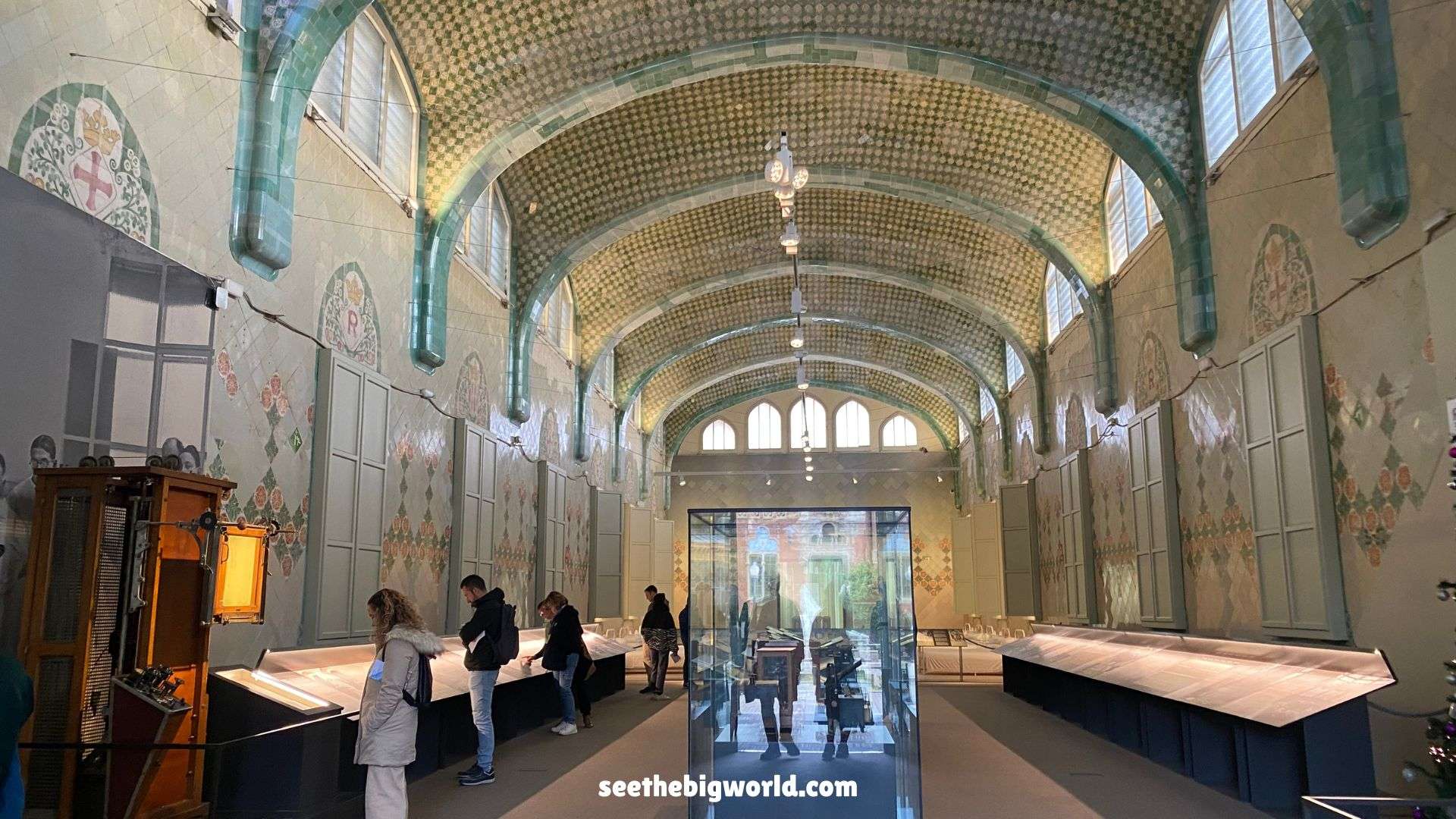
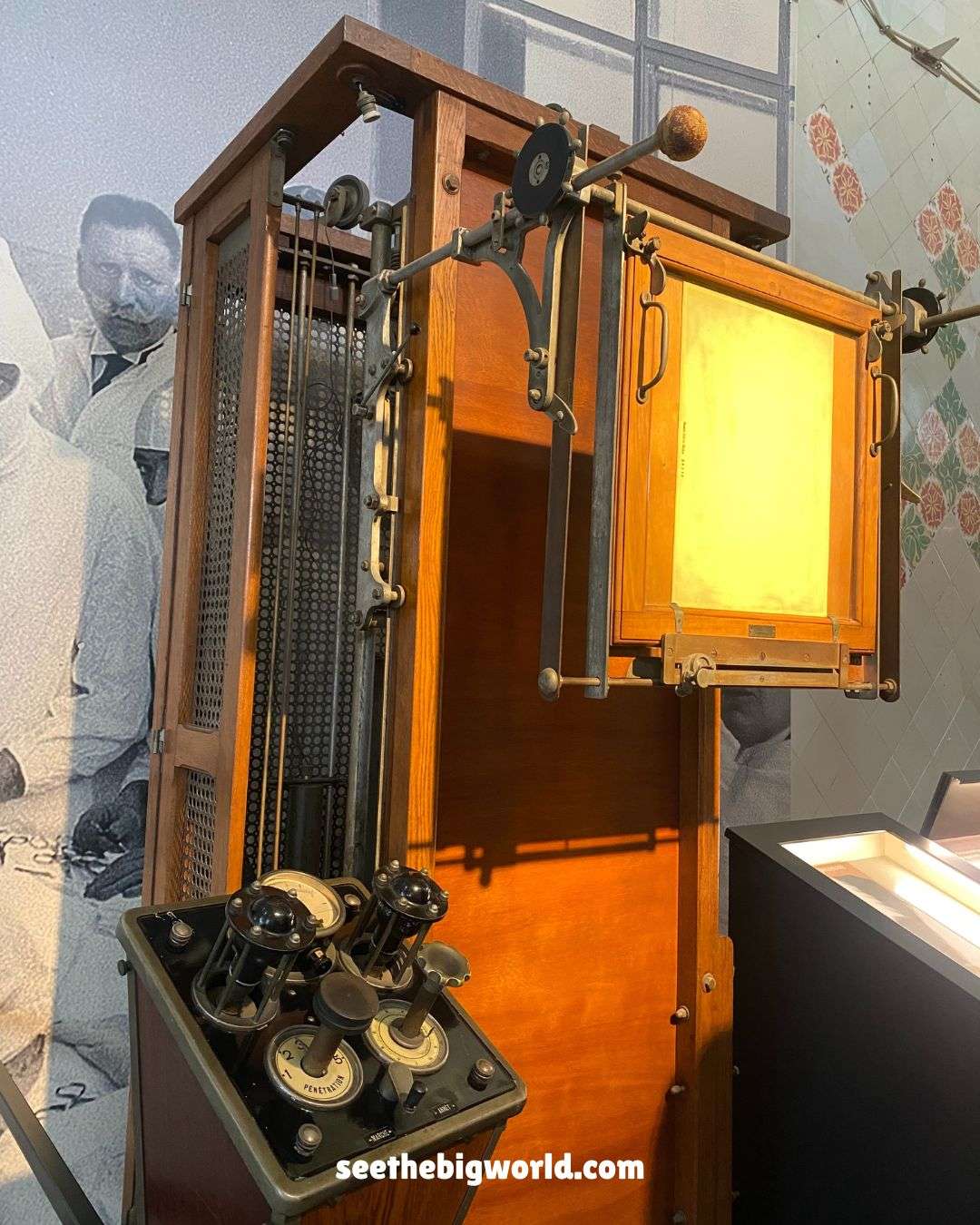
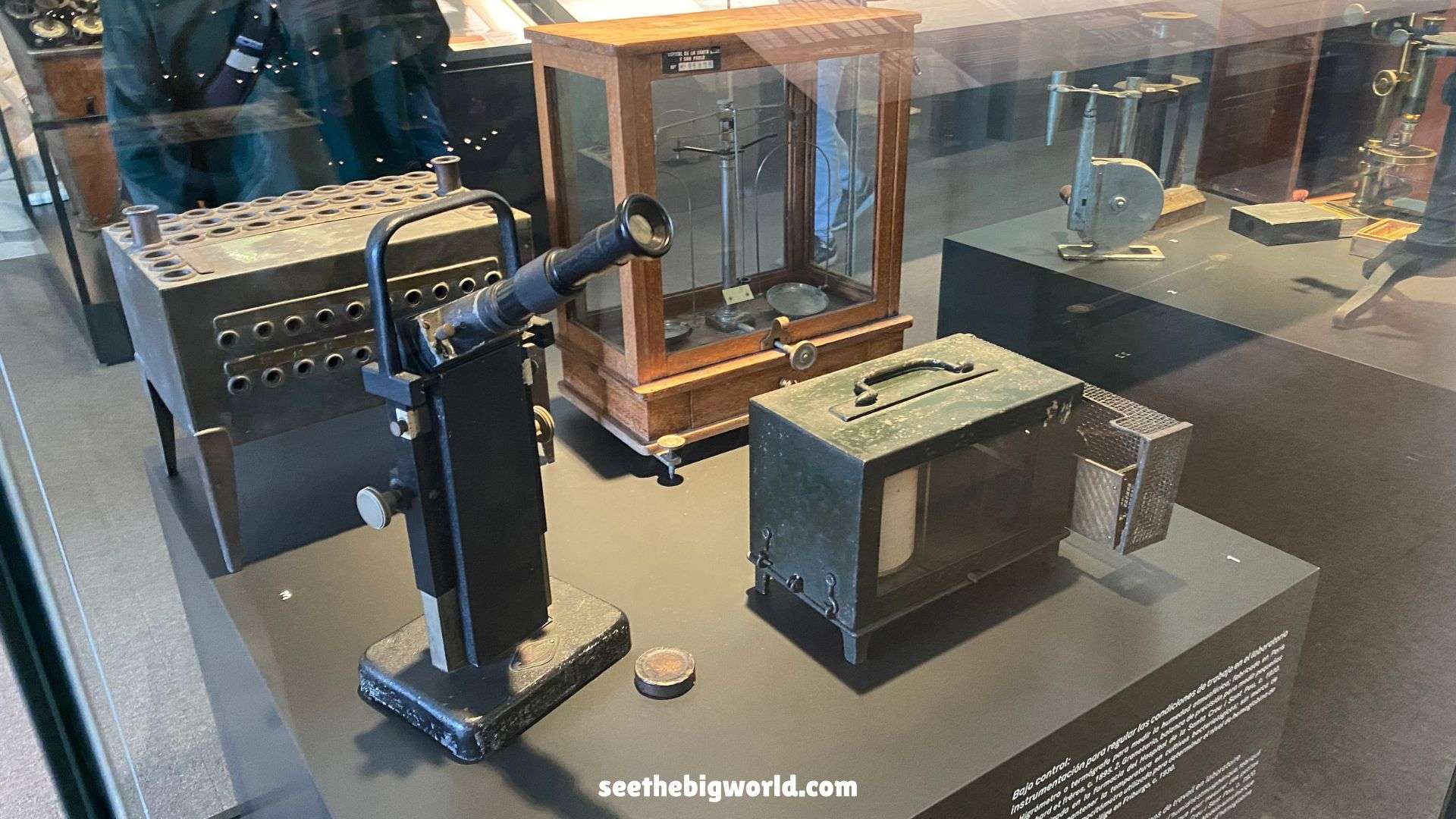
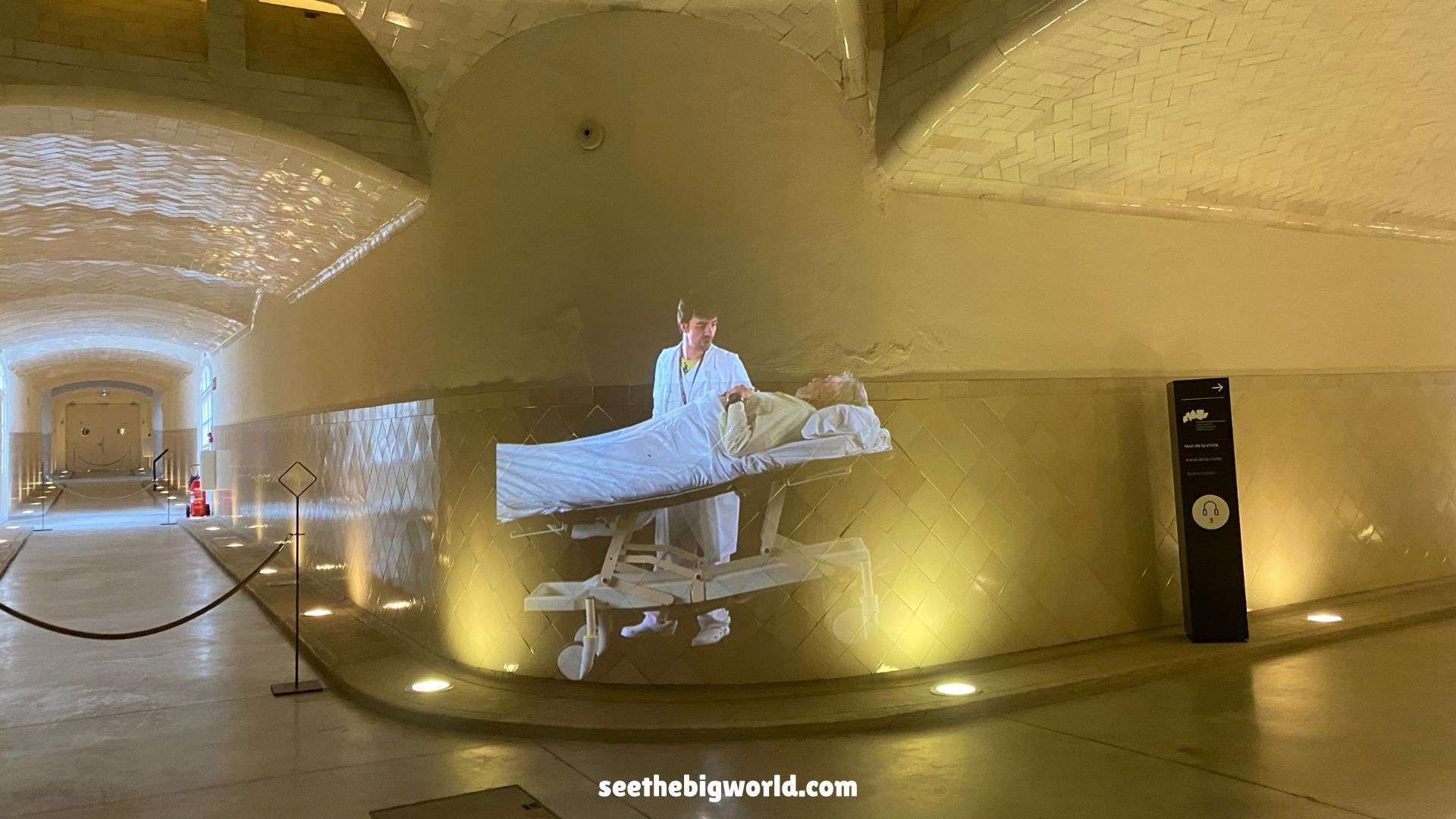
4. Underground Passageways
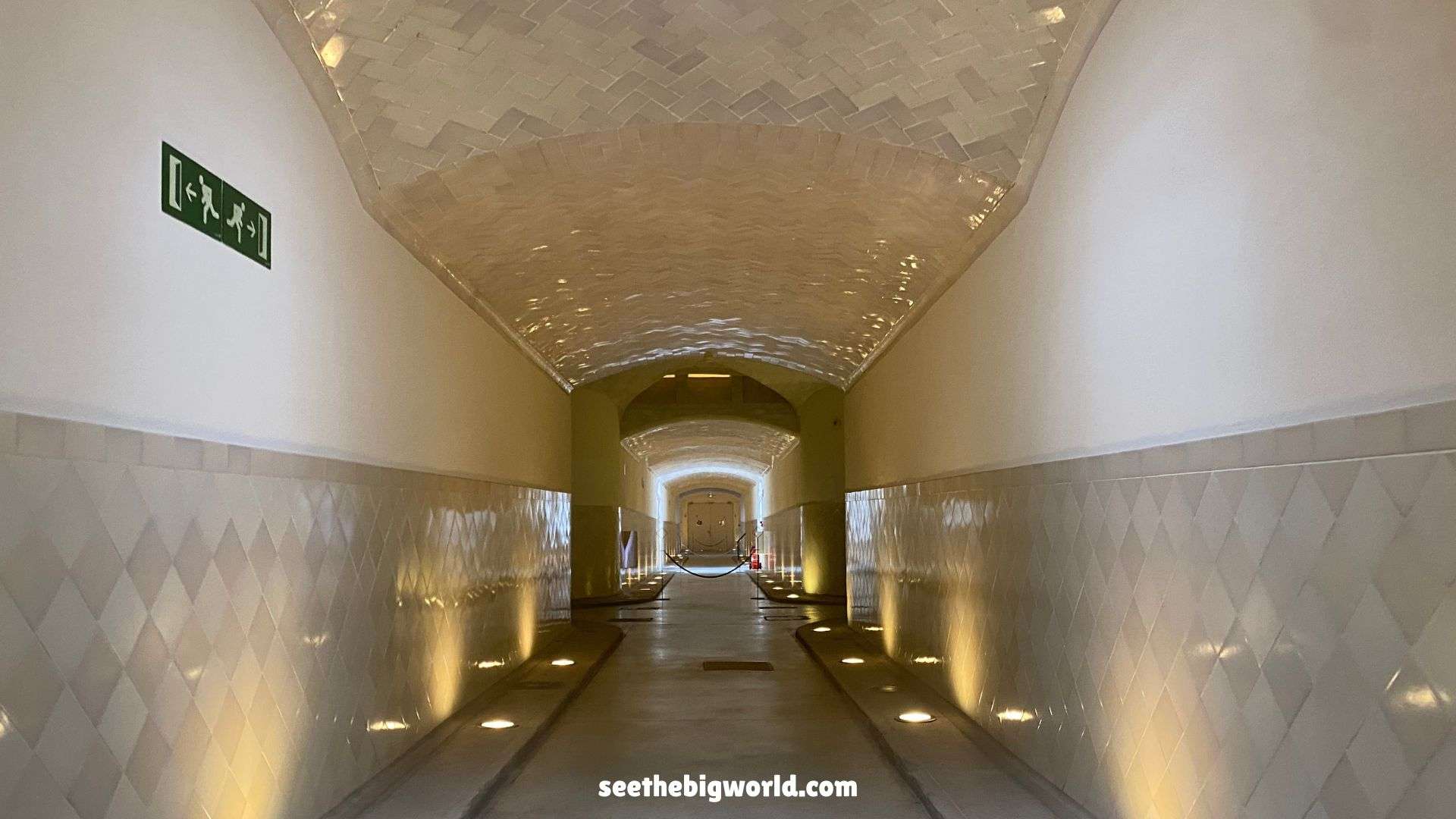
The hospital features underground passageways used for patient and medical equipment movement. Today, these passageways are part of the historical exhibition.
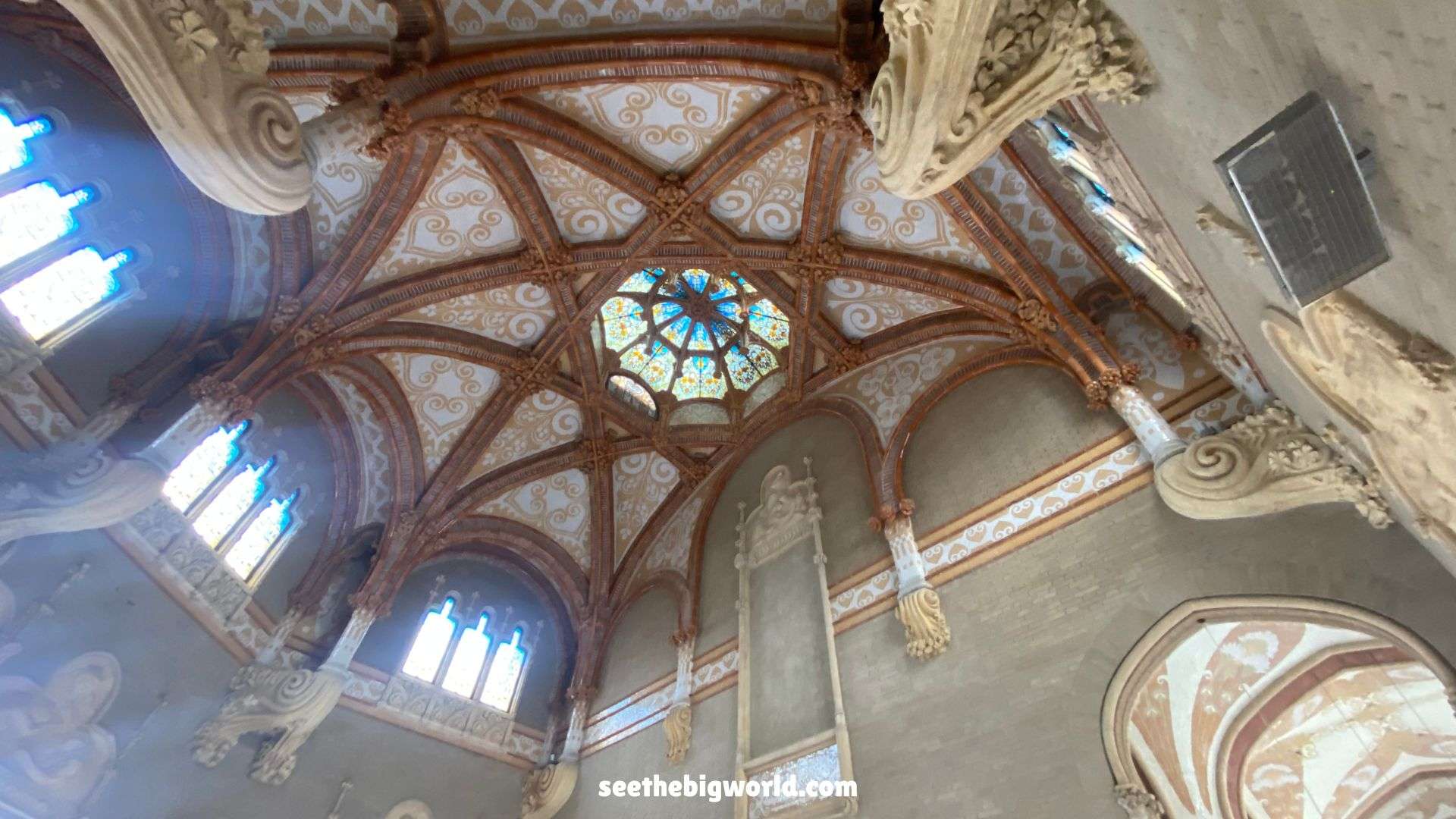
5. Dome and Sculptural Details of the Main Building
The main building of the hospital (Pavilion of the Administration) attracts many visitors with its magnificent dome and intricate sculptures, making it one of the most iconic parts of the complex.
Read More
City Guides:Barcelona
Barcelona Articles:Barcelona Transport Guide|Sagrada Família|Park Güell|Casa Batlló|La Pedrera (Casa Milà)|Casa Vicens|Palau Güell|Palau de la Música Catalana|Hospital de Sant Pau|Barcelona Cathedral|Port Vell|La Boqueria Market|Montserrat|Flamenco Review
Passes:GoCity Barcelona|Hola Barcelona|Euro Train Pass
Sagrada Família:Get Your Guide|KLOOK
Casa Batlló:Get Your Guide|KLOOK
Casa Mila:Get Your Guide|KLOOK
Park Güell:Get Your Guide|KLOOK